What you’ll read in this article:
- Challenges presented by the electrification of transport
- 3 ways home EV chargers can help achieve net zero
In case you hadn’t noticed, electric vehicles (EVs) are on the rise.
With that rise comes the need for EV charging infrastructure.
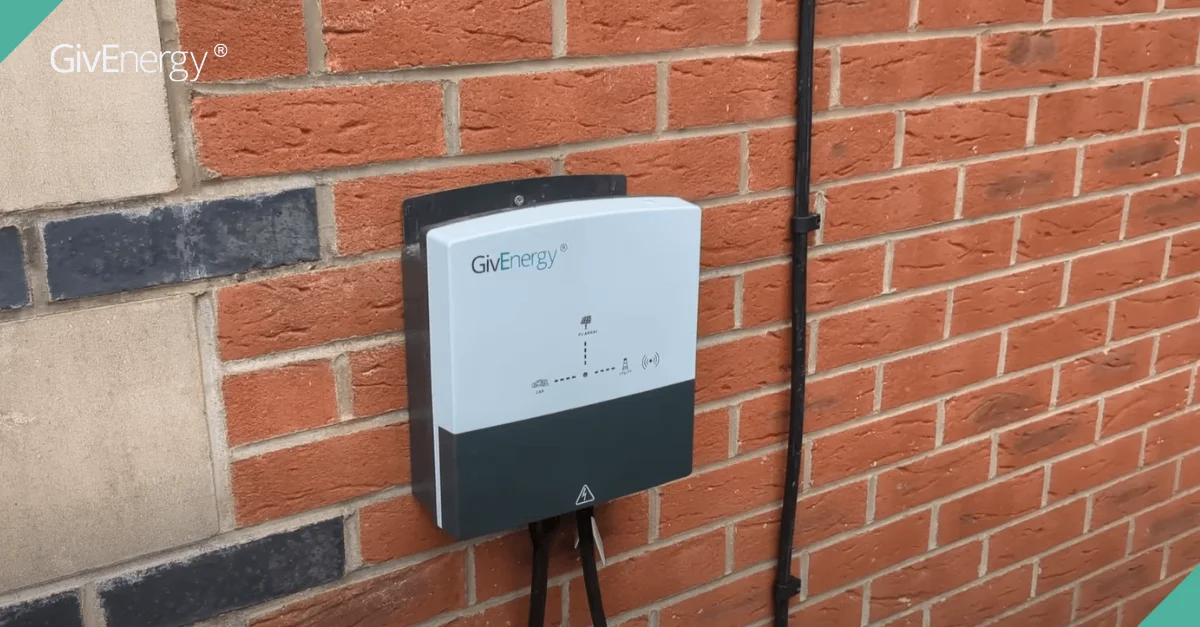

In the UK and elsewhere, public charging points are on the rise. However, as more EV owners seek convenience, home EV chargers are also surging.
Here, we explain why home EV chargers can help achieve net zero carbon emissions.
The electrification of transport
Transport – specifically internal combustion engine (ICE) vehicles – contributes significantly to the world’s carbon footprint.
In the UK, transport made up 26% of all greenhouse gas emissions in 2021.
As part of achieving net zero carbon emissions, the government has mandated that all new vehicles will be zero emissions by 2035.
Research by MIT shows that over a complete lifetime, EVs have a lower carbon footprint than ICE vehicles. That’s despite the carbon-intensive process of manufacturing EV batteries.
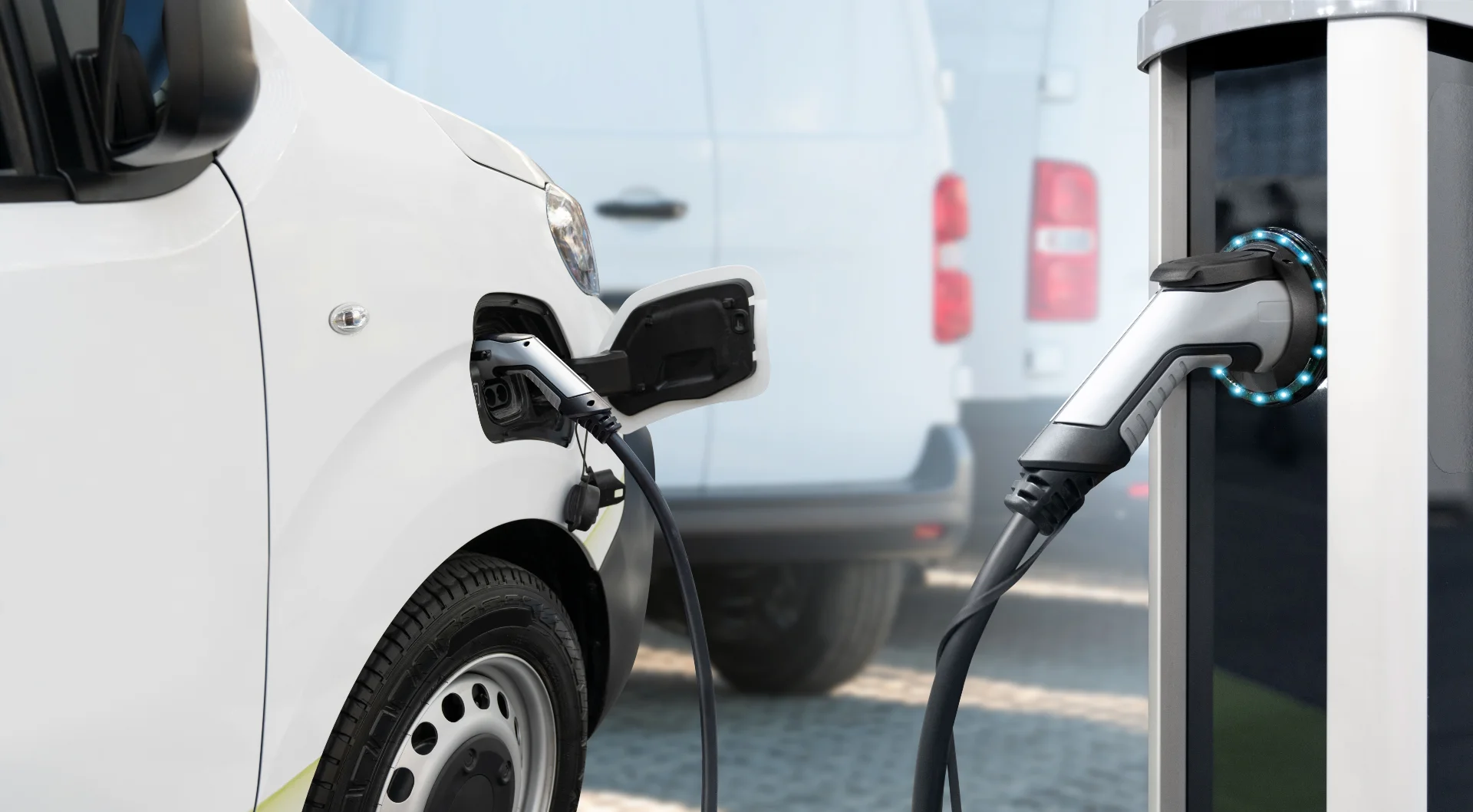
While the rise of EVs is necessary in achieving net zero, this presents huge challenges when it comes to charging.
According to a report co-authored by the Centre for Net Zero, consumer electricity demand will rise by around 50% by 2035. That’s thanks to the combined rise of EVs and heat pumps.
The electricity grid not only needs to be able to meet this demand, but also ensure it does so with clean energy, i.e. renewables.
After all, a grid under strain and potentially resorting to the burning of fossil fuels would defeat the object of EVs.
As we’re about to find out, home EV chargers can play a significant role in achieving this.
3 ways home EV chargers can help achieve net zero
1. The rise of smart home EV chargers
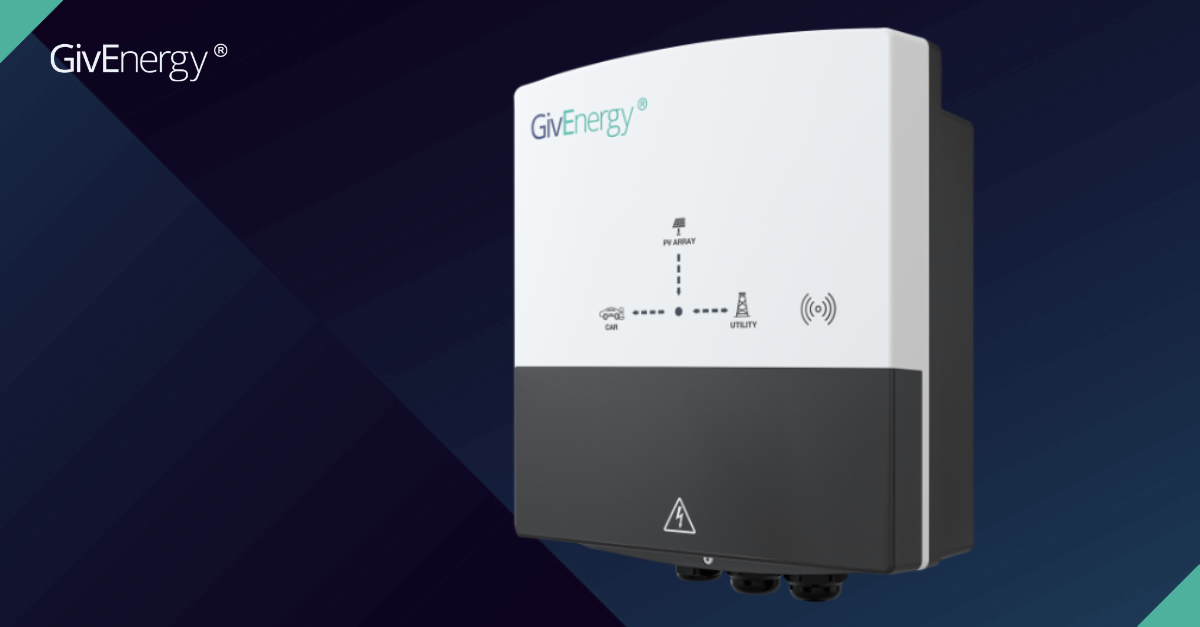
Charging an EV at home with a 3-pin plug is an option. However, installing a dedicated home EV charger makes charging cheaper, and cleaner.
Rather than just draw power from the grid willy nilly, a smart EV charger works differently. It’s programmed to make use of energy when it’s at its cheapest, cleanest, and most abundant. This can include during off-peak hours.
As well as being good for the consumer, this can also help reduce strain on the grid.
Research by the UK government suggests that there is still a way to go when it comes to making the most of smart charging functions at home.
In its survey, the Department for Transport found that:
- 93% of respondents said they had access to home charging
- 52% used a smart charger, 75% of which used the smart function almost all the time
2. Home EV chargers coupled with battery storage and renewable technology
A smart EV charger is great. But it’s even better with battery storage and renewable technology.
Let’s take a couple of hypothetical examples.
Home EV charger with standalone storage battery
If you’re not already familiar with the benefits of a standalone battery storage system, here’s a quick rundown.
Installing solar panels or a wind turbine is not within everyone’s means. Nonetheless, a battery storage system can still be of benefit, especially if you’re on a smart tariff.
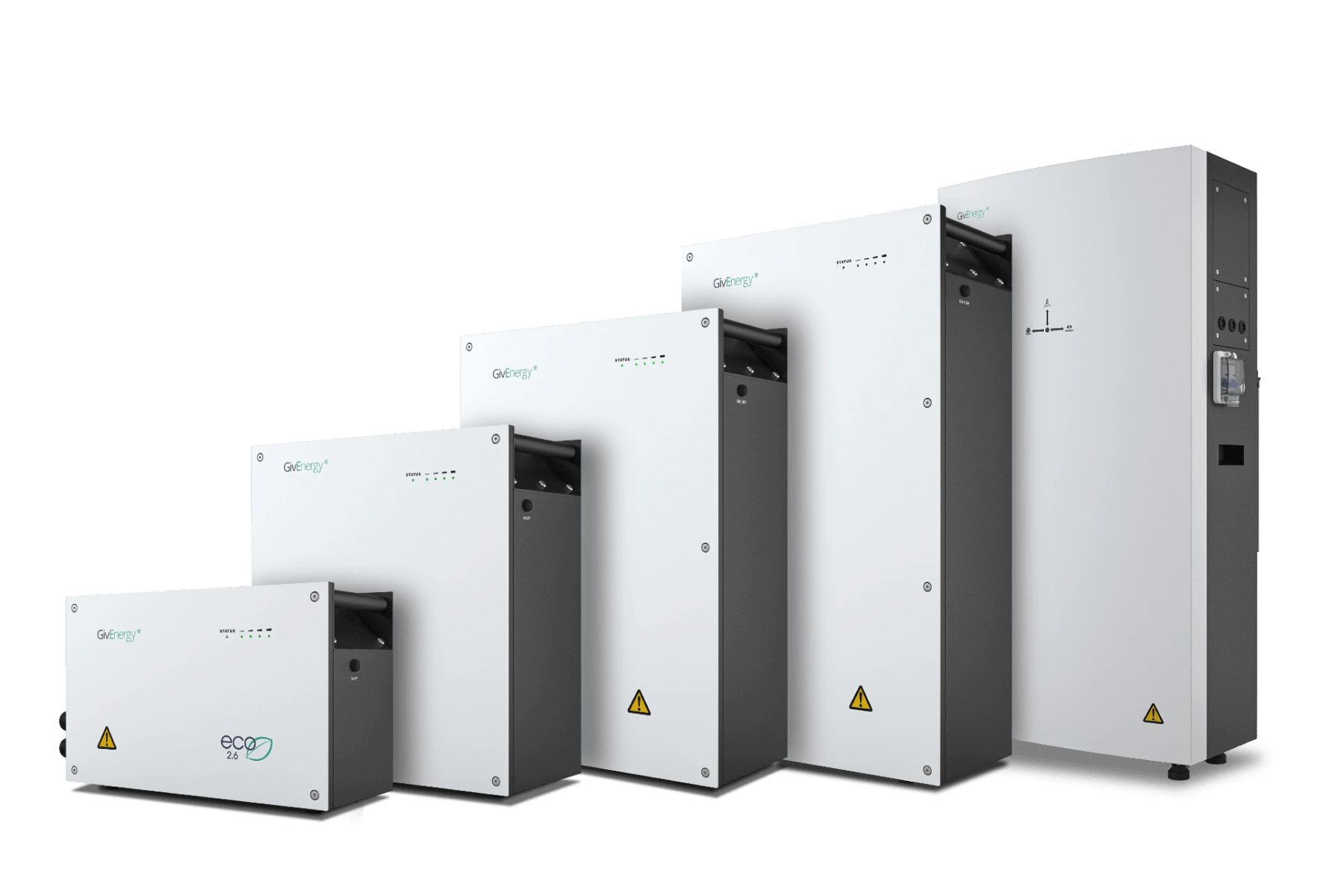
Charge your battery during cheaper off-peak hours, and then discharge during more expensive peak hours.
Better for the grid. Better for the consumer.
By integrating a standalone battery with an EV charger, you can charge your EV with cheaper and cleaner energy stored in your battery.
Home EV charger with battery storage AND renewable technology
Again, in case you’re not familiar, here’s how it works.
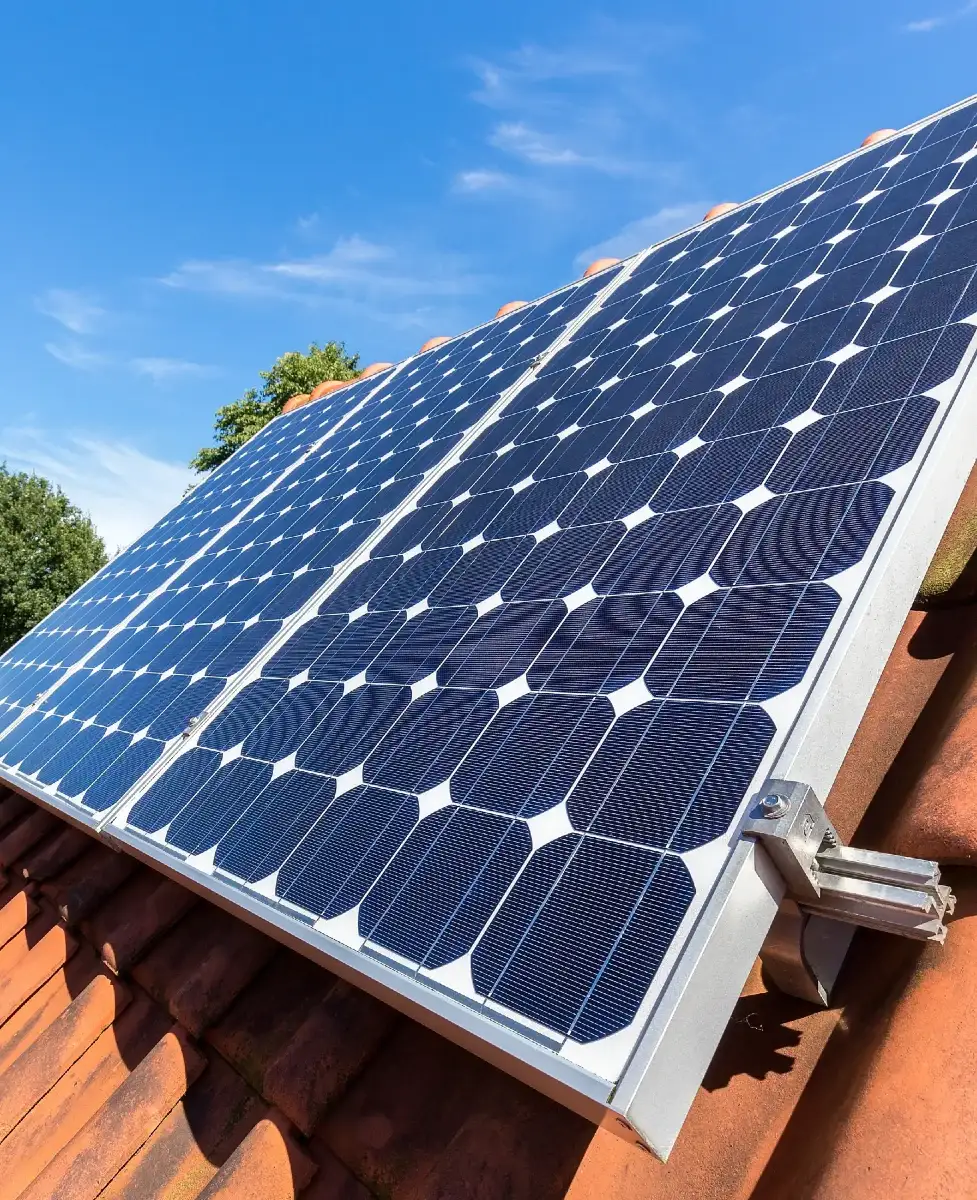
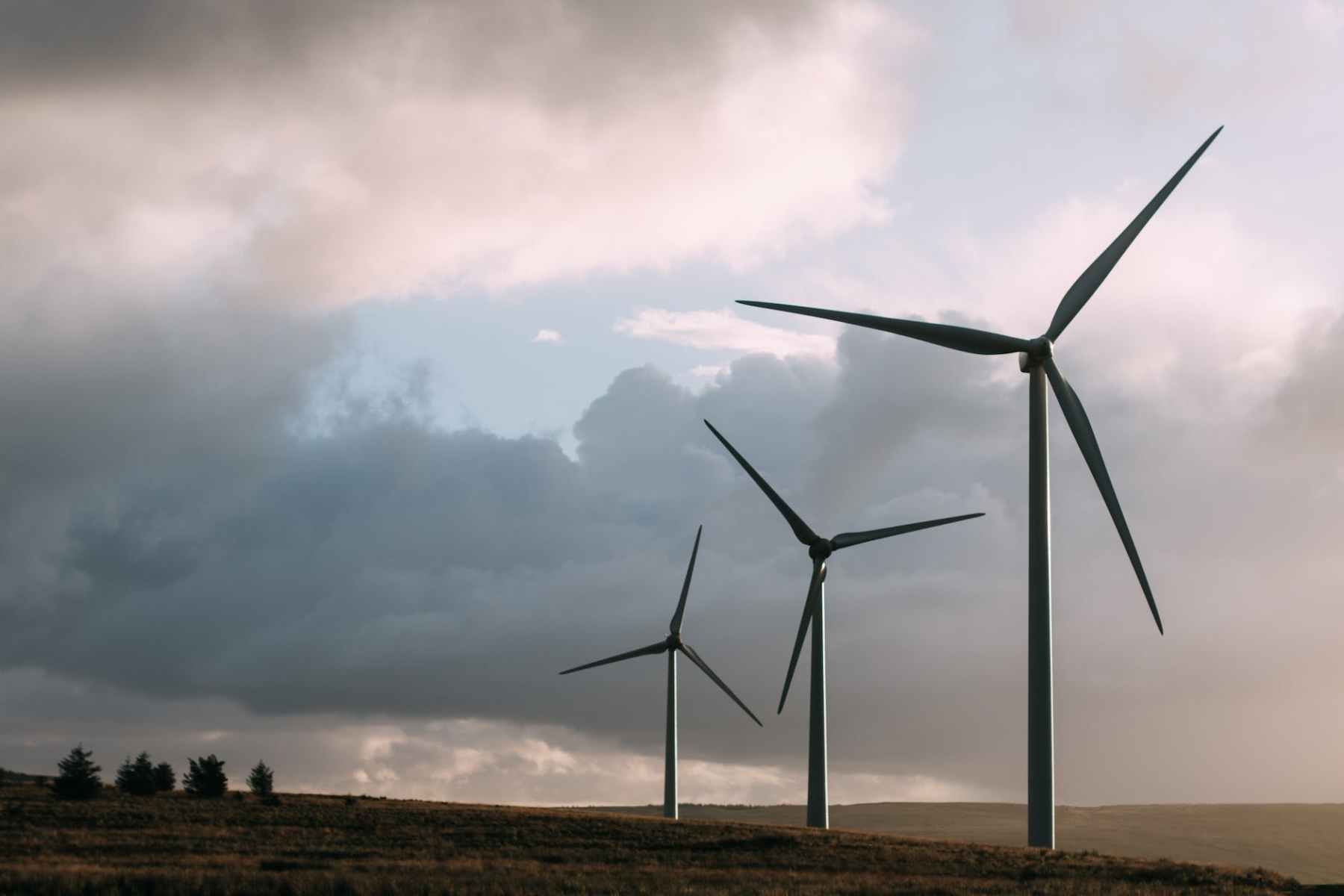
A homeowner decides to install solar panels or even a wind turbine for home.
This means the property is generating clean renewable energy. However, as solar and wind have hour-to-hour variability, energy generation doesn’t necessarily align with times of peak energy demand.
That’s where battery storage comes in. A battery stores energy generated from renewable sources for later use.
Add an EV charger into the mix.
You can charge your vehicle using stored renewable energy.
Once again, this is good for the grid and the consumer.
3. Using EVs as storage batteries?
This is still an emerging technology. However, some research suggests it could become commonplace in the not so distant future.
If an EV battery has excess energy stored inside it, why not make use of it?
There are two ways home EV chargers could be useful here.
Firstly, vehicle-to-grid (V2G) charging could allow EV users to export excess energy back to the grid.
Getting paid to export energy is already possible for those with renewable technology through the government’s Smart Export Guarantee (SEG).
Moreover, those without renewables have also been able to profit from excess energy in recent years. Through the Electricity System Operator’s Demand Flexibility Service, consumers were paid to shift electricity usage outside of peak hours during the winters of 2022-2023 and 2023-2024.
For GivEnergy battery users, those with excess energy were able to profit from the GivBack scheme.
In the future, it could be excess energy stored in EV batteries which is exported back to the grid.
Secondly, vehicle-to-home (V2H) charging could allow consumers to power home devices from an EV battery.
This could mean less power drawn from the grid, especially during peak hours.
Make no mistake…
…this technology is still emerging.
EV batteries acting as energy storage units requires bi-directional charging technology.
Most EV chargers, especially home EV chargers, don’t yet have this.
However, if and when the technology becomes more commonplace, it could be of benefit to consumers and the grid.
Researchers from MIT found that V2G charging – energy being exported from EV batteries to the grid – could help to balance the intermittency of wind and solar. Total system savings resulting from V2G charging in the researchers’ simulation amounted to 183-1,326 million USD.
Similarly, the UK government has noted the positive role that bidirectional charging functions in EVs could play in powering homes. This would bring benefits to households and businesses by reducing energy bills, as well as helping to stabilise the grid under strain.
To that end, the government has allocated 4.8 million pounds in funding to four projects researching the potential of bidirectional charging.
Smart charging the future of transport at home
The challenges posed by the electrification of transport are not to be underestimated.
Supporting public EV charging infrastructure and balancing the variability of renewables at grid-level are of great importance.
However, home EV chargers could also play a key role as part of this strategy. This could include:
- Smart charging at home
- Integrating home EV chargers with battery storage and renewable technology
- EV batteries acting as energy storage units
To some extent, the government has already recognised the importance of home EV chargers with the introduction of a range of grants.
If you’re thinking of getting an EV charger for your home, or indeed a home battery storage system, find an approved GivEnergy installer today.