Why become an EV installer in the UK in 2024?
In case you’ve been living under a rock for the last few years, you’ll notice there are more battery electric vehicles (BEV) and plug-in hybrid electric vehicles (PHEV) on the roads. With that growth comes increased demand for EV charging points, including demand from those who want the convenience of charging from home.
Put simply, the market for EV chargers installed at home is only going to get bigger.
And the best part?
Becoming an EV installer is not that difficult, assuming you’re already a qualified electrician.
Here are three reasons why becoming an EV installer is a no brainer.
1. Get a slice of a growing market
As of May 2024, the UK had a total of 1.76 million plug-in cars on the road.
That includes 1.1 million BEVs and 656,000 PHEVs.
The total number is up from 439,568 in 2020.
While charging in public places is an option, many plug-in vehicle owners want the convenience of charging at home or at work.
According to the Department of Transport, 93% of electric vehicle owners surveyed had access to charging at home or at work.
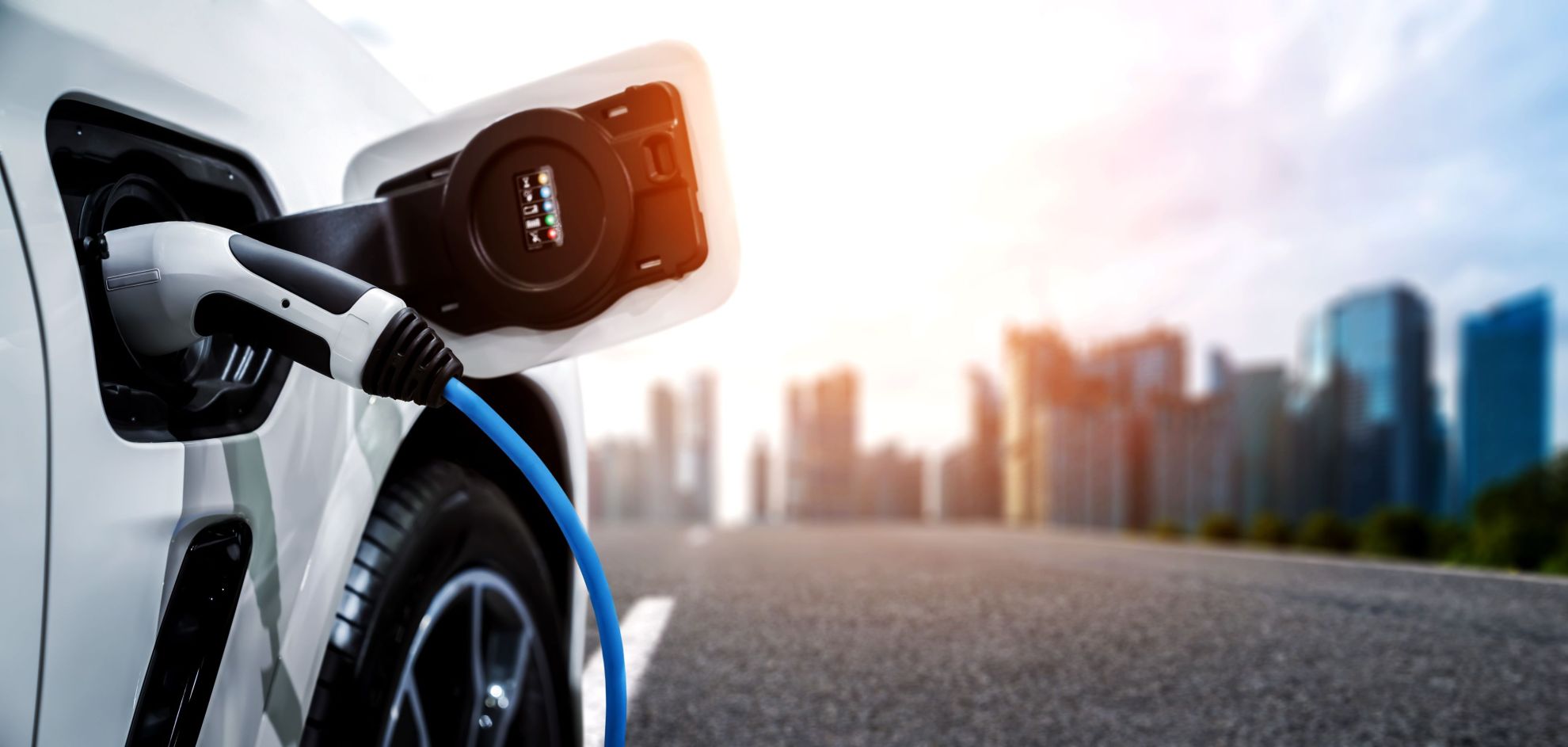
The UK government has funded around 400,000 private EV charging points. The total number – including EV charging points without government funding – is even higher.
With the UK set to ban the sale of new internal combustion engine (ICE) cars by 2035, the electric market is only going to grow.
As an EV installer, you’ll be well placed to get your hands on a nice big slice of the pie.
2. Make £££
Here’s what the average EV installer can make per year before tax, according to Checkatrade.
Apprentice
£11,060
Newly qualified
£31,960
Employed
£45,760
Sole trader
£56,050
Business owner (ltd company)
£52,800
3. Becoming an EV installer isn’t *that* difficult
Take the GivEnergy EV charger as an example.
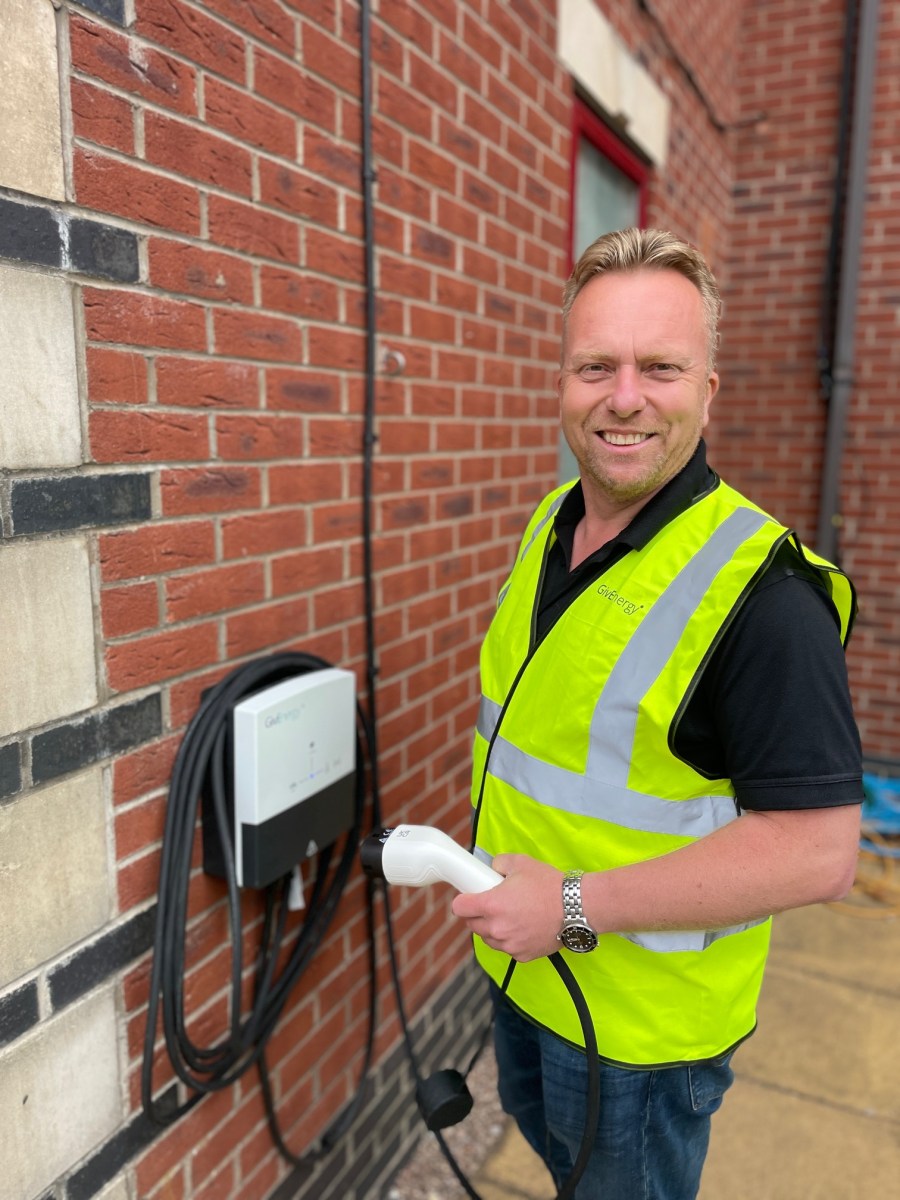
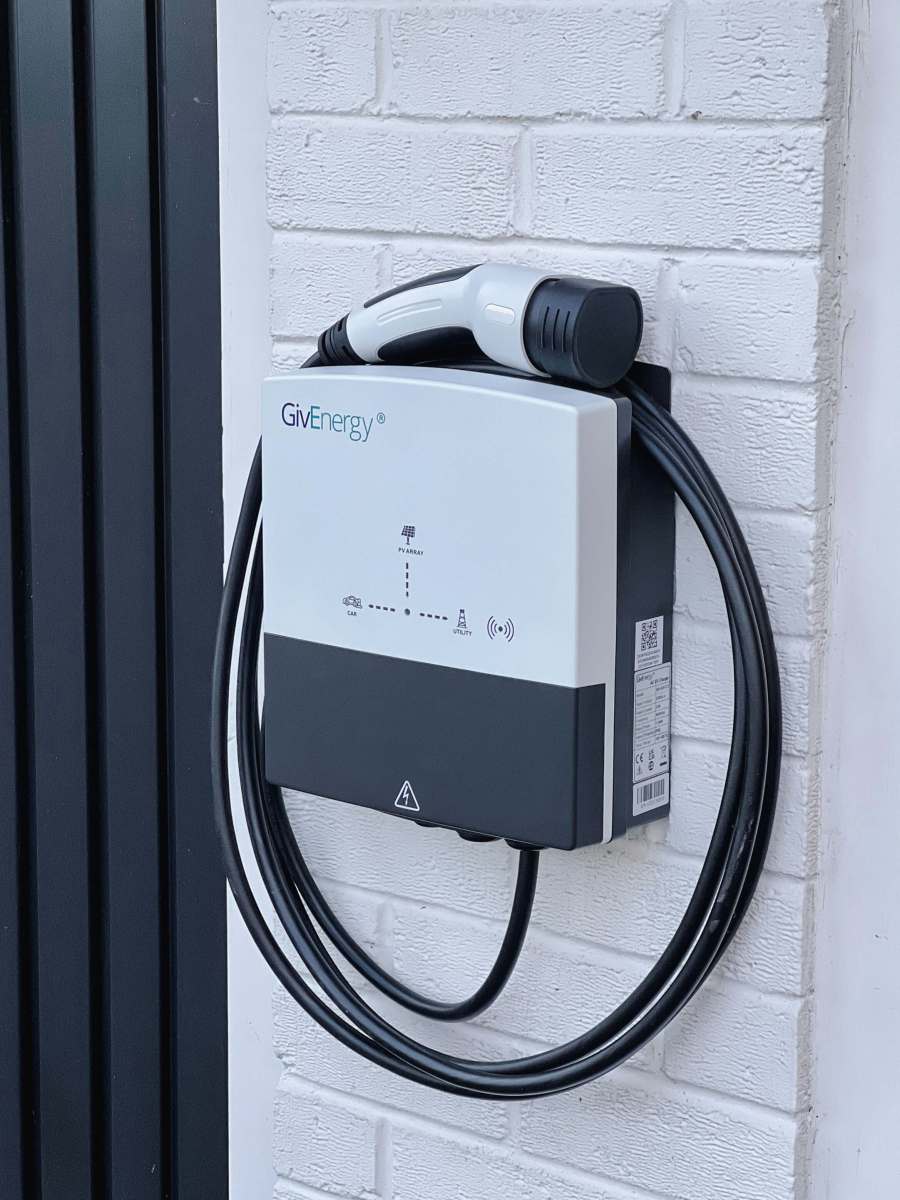
If you’re already qualified as an electrician, installing GivEnergy battery storage systems makes sense. You just need to take our free installer training.
(Note that ALL GivEnergy home battery installations must be carried out by a qualified installer for the industry-leading 12-year warranty to be valid.)
The good news?
Once you’re an approved installer, you’re automatically qualified to install GivEnergy EV chargers.
No extra training needed!
Can customers install GivEnergy EV chargers themselves?
If a customer happens to be a qualified electrician, they can install their own EV charger.
However, in most cases, customers will need to find an approved GivEnergy installer.
Remember…
… EV chargers are just one piece of the puzzle when it comes to green technology.
They go hand in hand with:
- Home battery storage systems
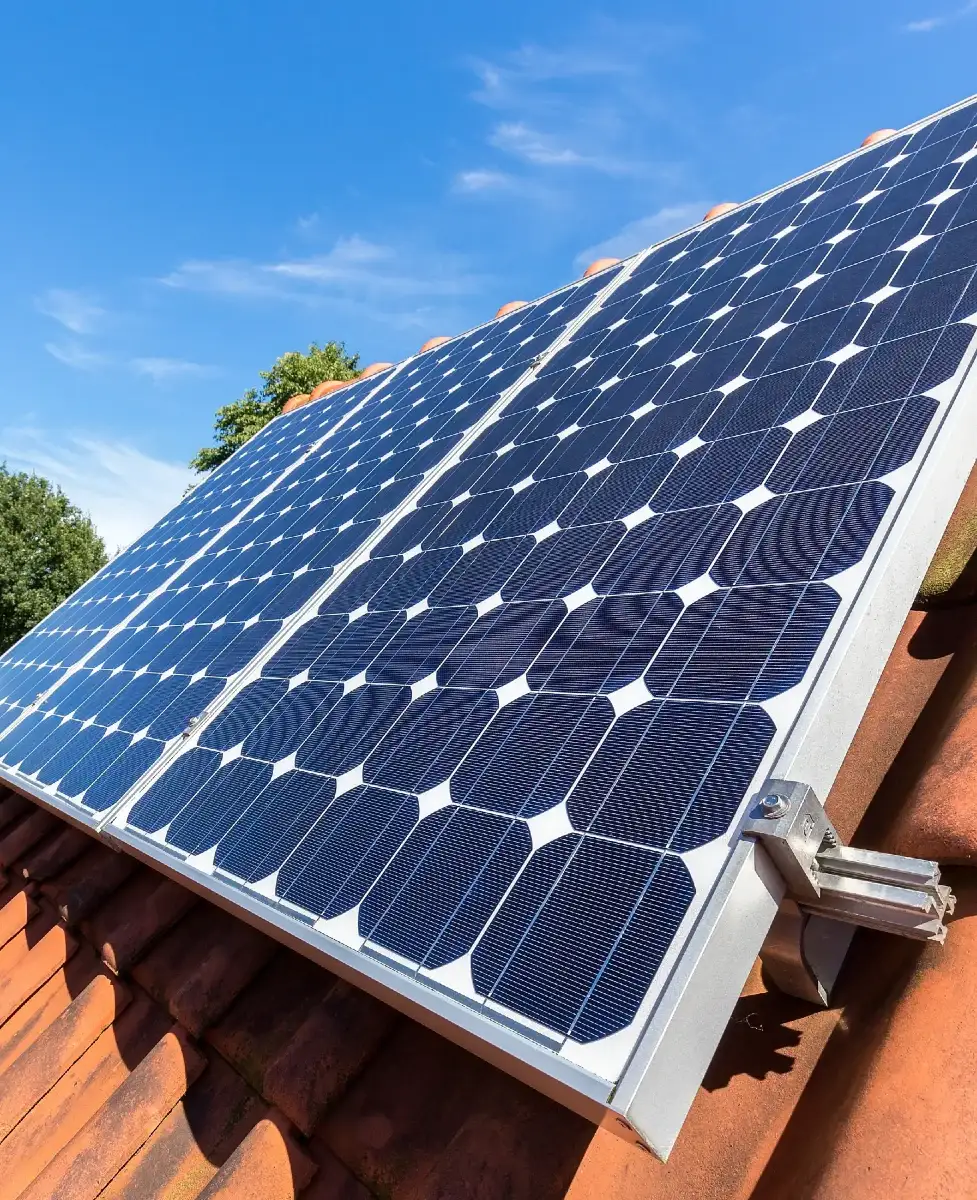
- Solar panels
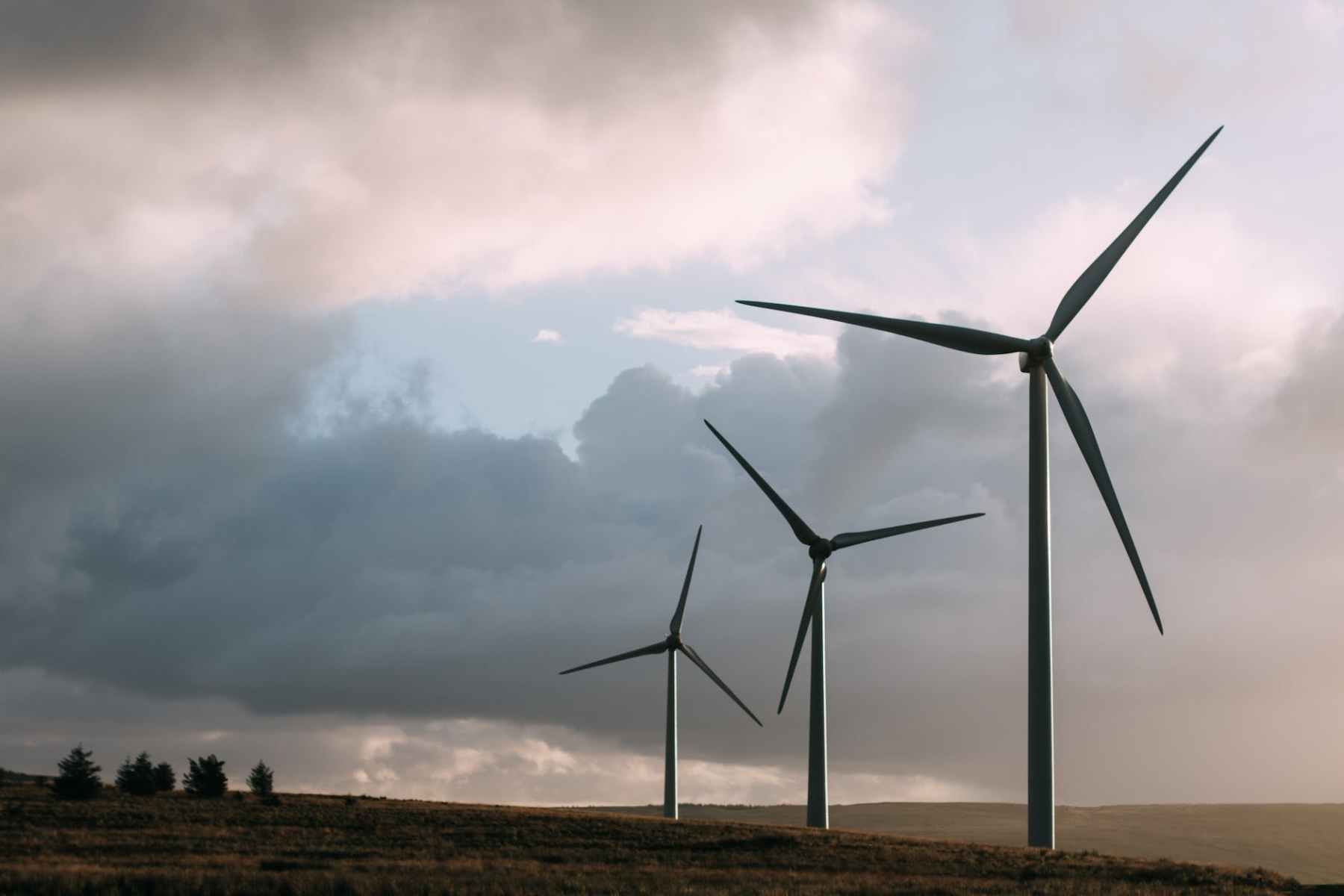
- Wind turbines for home (for those with the money)
- Heat pumps…
… etc.

Want to start your journey as an approved GivEnergy installer?
Click here to get started today.