So, you’ve decided to get a GivEnergy battery. Great!
(We would say that, wouldn’t we?)
A GivEnergy battery can help you cut:
- Your energy bills by as much as 85% per year
- Your carbon emissions by as much as 300kg per year
While a home battery is a great investment, it also requires careful consideration to make sure you get the right one for you.
If you want the answer to this question in a visual format, click below to watch the video on the GivEnergy YouTube channel. Visual content manager, Andy Rogerson (aka EV Man) has already talked about this very topic in detail.
If you’re more a written word kind of person, read below.
1. What do you want a GivEnergy battery for?
‘To store energy’ is the obvious answer.
But it’s a little more complicated than that.
GivEnergy’s home battery range includes:
- Giv-Bat 2.6 (2.6kWh)
- Giv-Bat 5.2 (5.2kWh)
- Giv-Bat 8.2 (8.2kWh)
- Giv-Bat 9.5 (9.5kWh)
- All in One (13.5kWh)
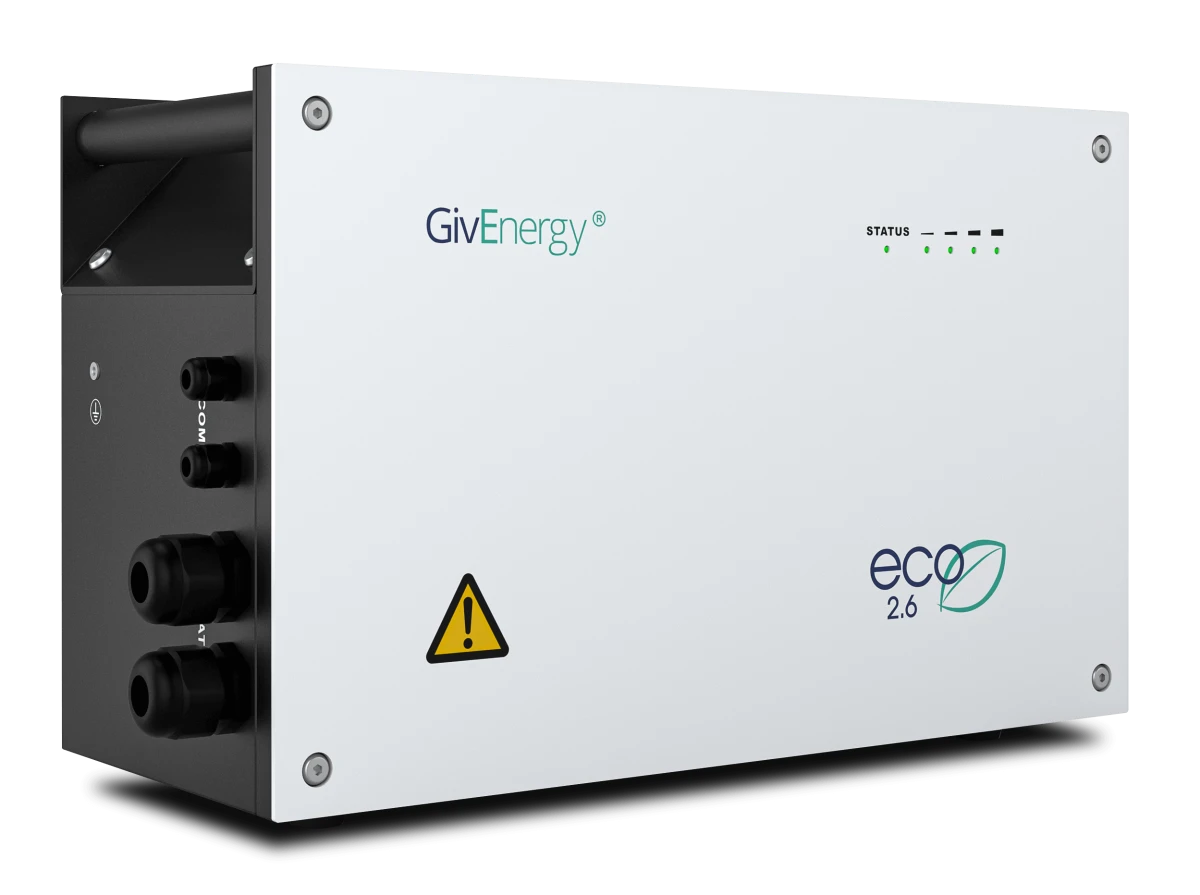

Which one is right for you will depend on a whole range of factors, from practical considerations to daily energy usage, and more.
The first thing to consider is where your battery fits within your home energy setup.
Here are the two main home battery scenarios.
Standalone battery storage
This scenario works for users who are on a smart tariff.
Battery storage allows users to charge during cheaper off-peak hours and discharge during more expensive peak hours. This not only allows users to save on energy bills, but also helps the grid by reducing strain during peak hours.
In this scenario, users should consider how much energy they want to store from the grid during off-peak hours.
For instance, a 3-bedroom household which typically uses 8kWh of electricity per day may want a battery which can store at least this amount. A Giv-Bat 9.5 may be suitable in these circumstances.
Note that when choosing an inverter (the brains of your battery system converting DC electricity to AC electricity), AC coupled is a suitable choice for standalone.
Battery storage coupled with renewable technology
For most users, this will be the scalable option of solar PV panels.
For some, battery storage coupled with a wind turbine for home is also an option. However, this comes with caveats regarding practicality, cost, and planning permission. So, let’s just stick with solar for now.

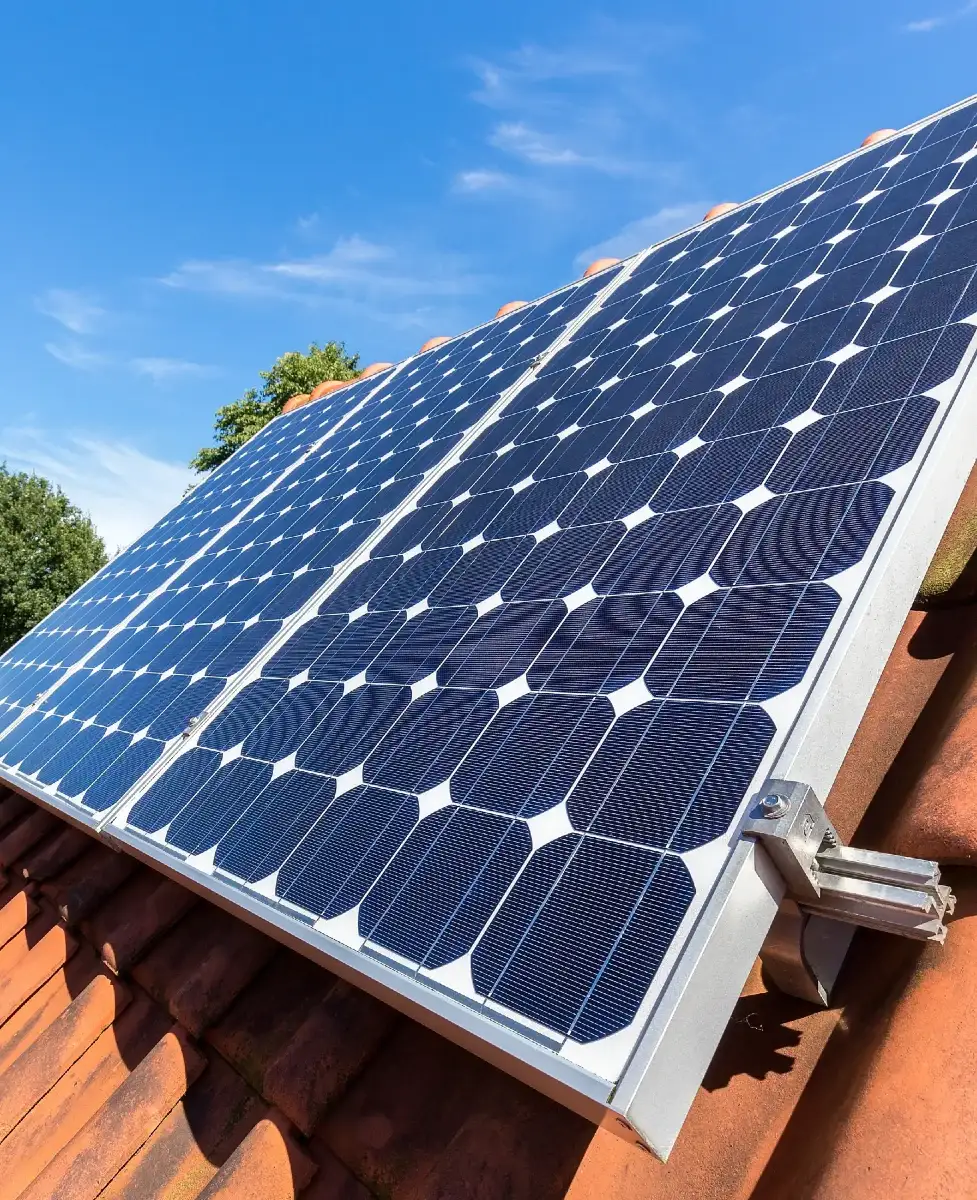
Solar PV panels are perfect for generating your own clean and renewable energy. When the sun shines, your home gets free electricity.
Simple… well… not quite.
The problem is that the sun doesn’t always shine exactly when you need it.
Imagine it’s the depths of winter. Your electricity demands peak in the evening just after you get home from work. It’s dark and the sun isn’t shining.
That’s where battery storage comes in. Your battery can store energy generated from your solar panels for later use.
This means you need to think about the capacity of your solar PV system.
In short, if you want to make full use of your solar panels, you’ll need a battery big enough to store the energy generated.
Solar energy has seasonal variability. You’ll generate more in the summer than the winter.
(Shocker!)
Here’s one way to size a solar battery: make a rough calculation of your peak solar capacity and choose a battery large enough to store said amount.
If you don’t size your solar storage properly…
… it’s not the end of the world.
If your system is too small, you can charge your battery from the grid during off-peak hours.
If your system is too big, you can export solar energy back to the grid via the government’s Smart Export Guarantee (SEG).
2. How much electricity do you use?
Your daily average electricity usage is an important factor in deciding which GivEnergy battery is right for you.
According to Ofgem, average annual electricity usage for households in the UK is as follows:
- For a 1-bedroom property (1-2 people) – 1,800kWh (circa. 5kWh per day)
- For a 2- or 3-bedroom property (2-3 people) – 2,700kWh (circa. 7.4kWh per day)
- For a 4-bedroom property or larger (4-5 people) – 4,100kWh (circa. 11.2kWh per day)
However, you don’t need us to tell you that most properties aren’t ‘average’. Calculating your own daily average electricity usage isn’t always straightforward.
Energy monitoring
To get an accurate estimate for you daily average, it’s essential to closely monitor how much electricity you’re using.
For many households, overall electricity usage can be monitored via a smart meter.
If you want to monitor individual devices, you may want to consider using a smart plug.
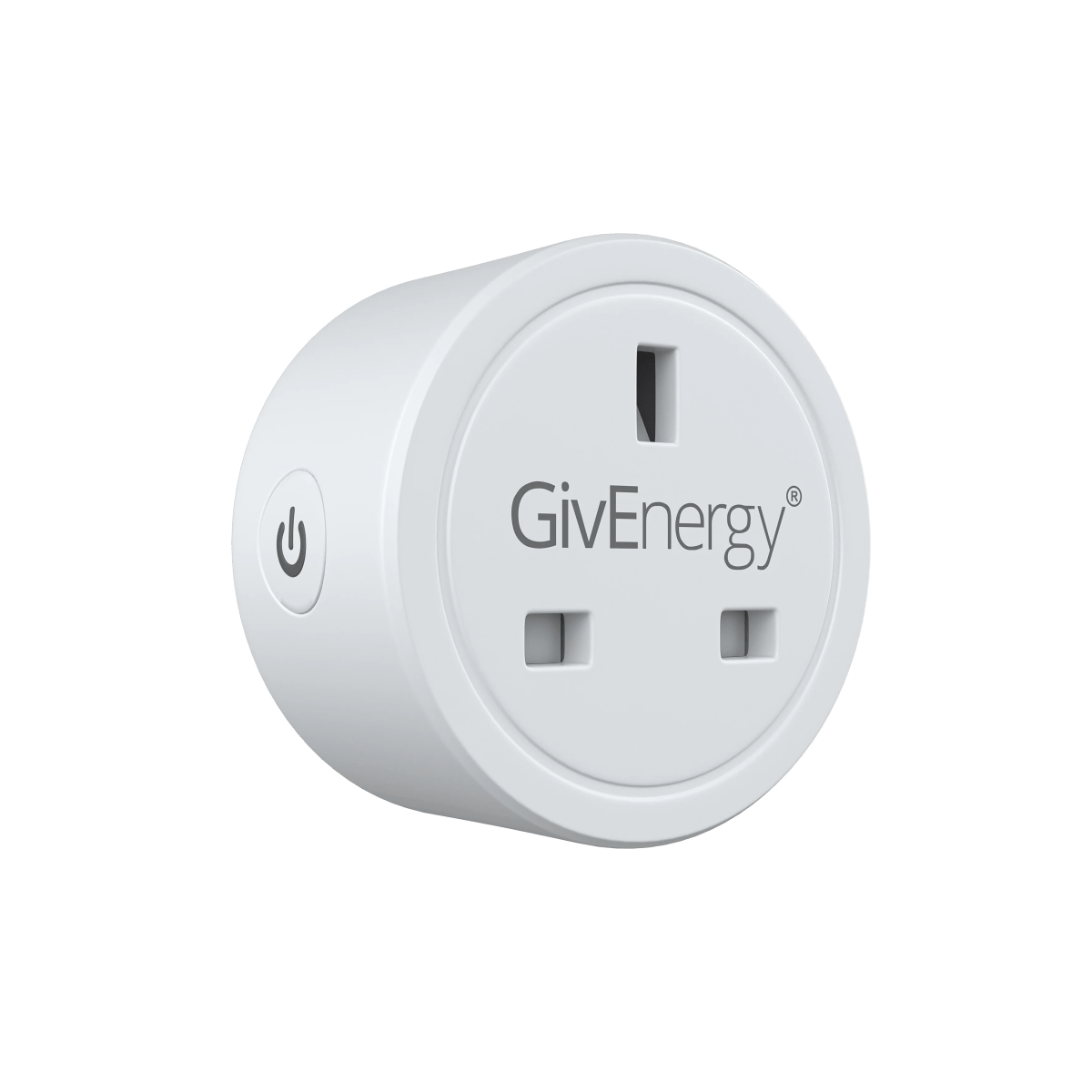
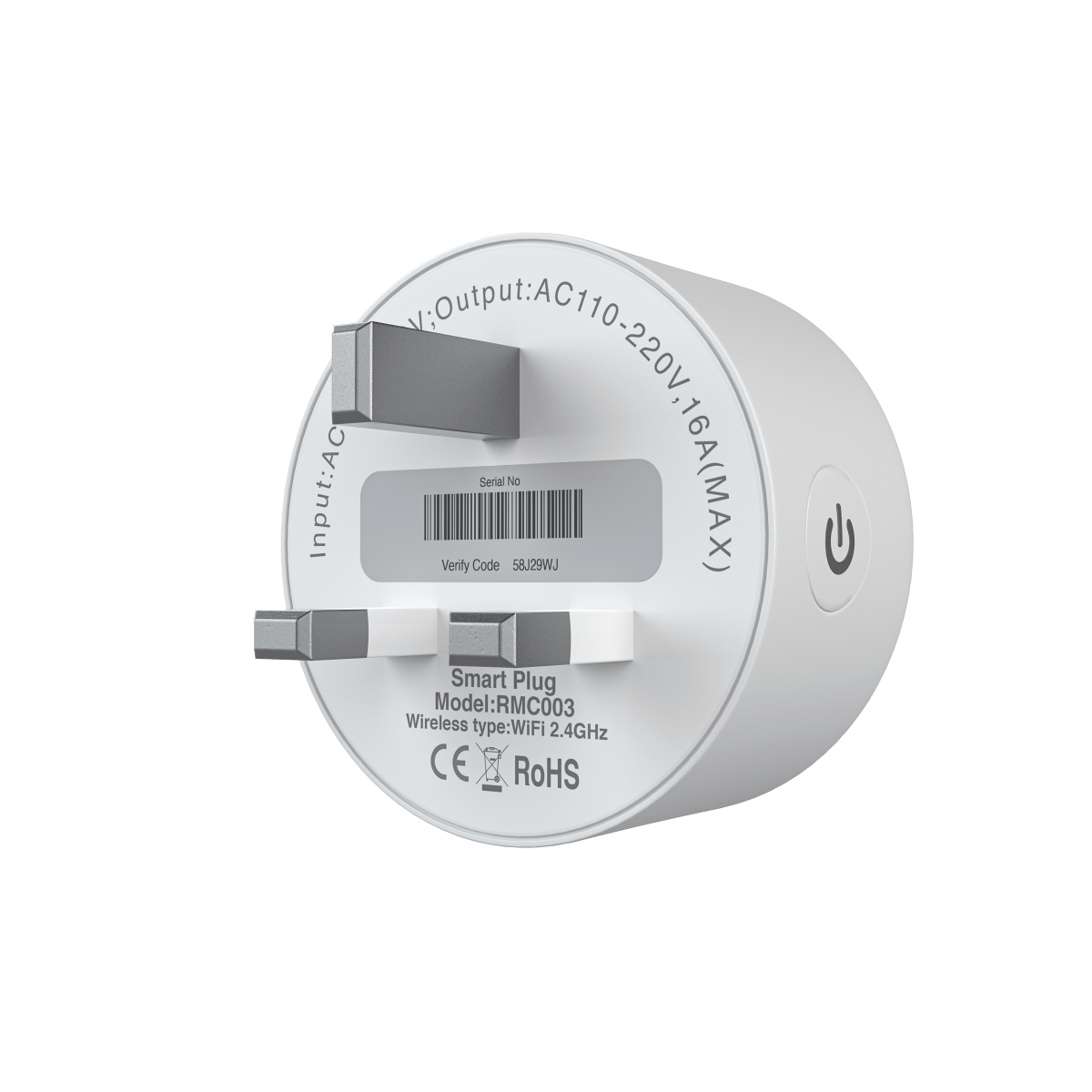
For GivEnergy home battery systems, monitoring can be done via the app or the more comprehensive portal.

Seasonal variations
Average daily electricity usage in the UK tends to peak during December and January. Meanwhile, usage tends to be at its lowest during the height of summer, usually June, July, or August.
Why is electricity usage higher in the winter months?
Some reasons may include:
- More time spent indoors (lights and other devices turned on for longer)
- Use of electric space heaters
- Increasing use of heat pumps
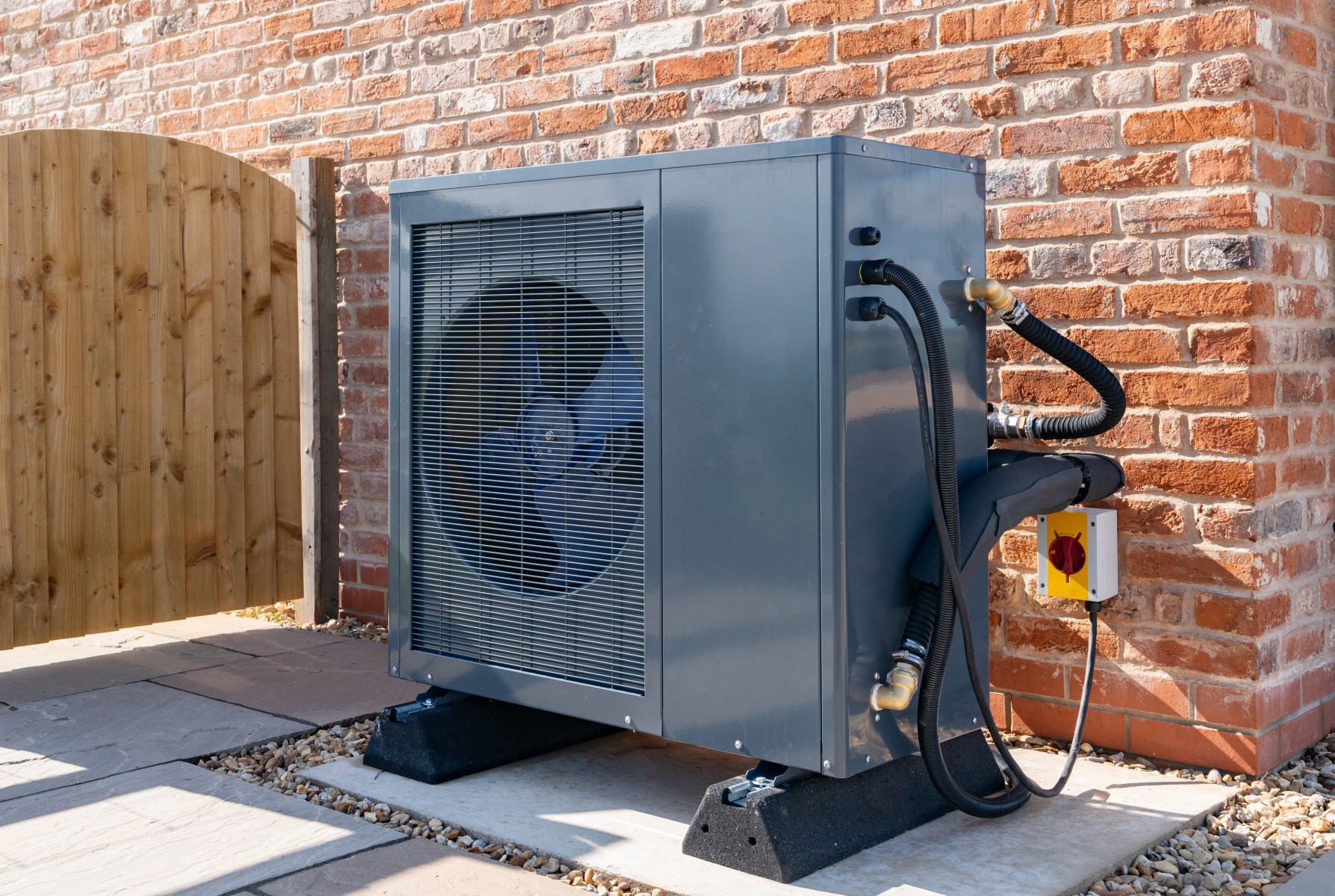
… and more.
Here’s one way you could size a suitable battery.
Choose a battery size big enough to cover your peak daily electricity usage during winter.
This way you can minimise your reliance on the grid when your electricity usage peaks.
High-powered devices
If you have or are planning to add high-powered devices, this is something else you’ll need to consider when choosing the right GivEnergy battery for you.
Planning on getting a heat pump?
This will increase your electricity usage.
It’s the same if you’re charging an EV at home. If this is the case, you should consider a designated EV charger over an ordinary 3-pin plug.
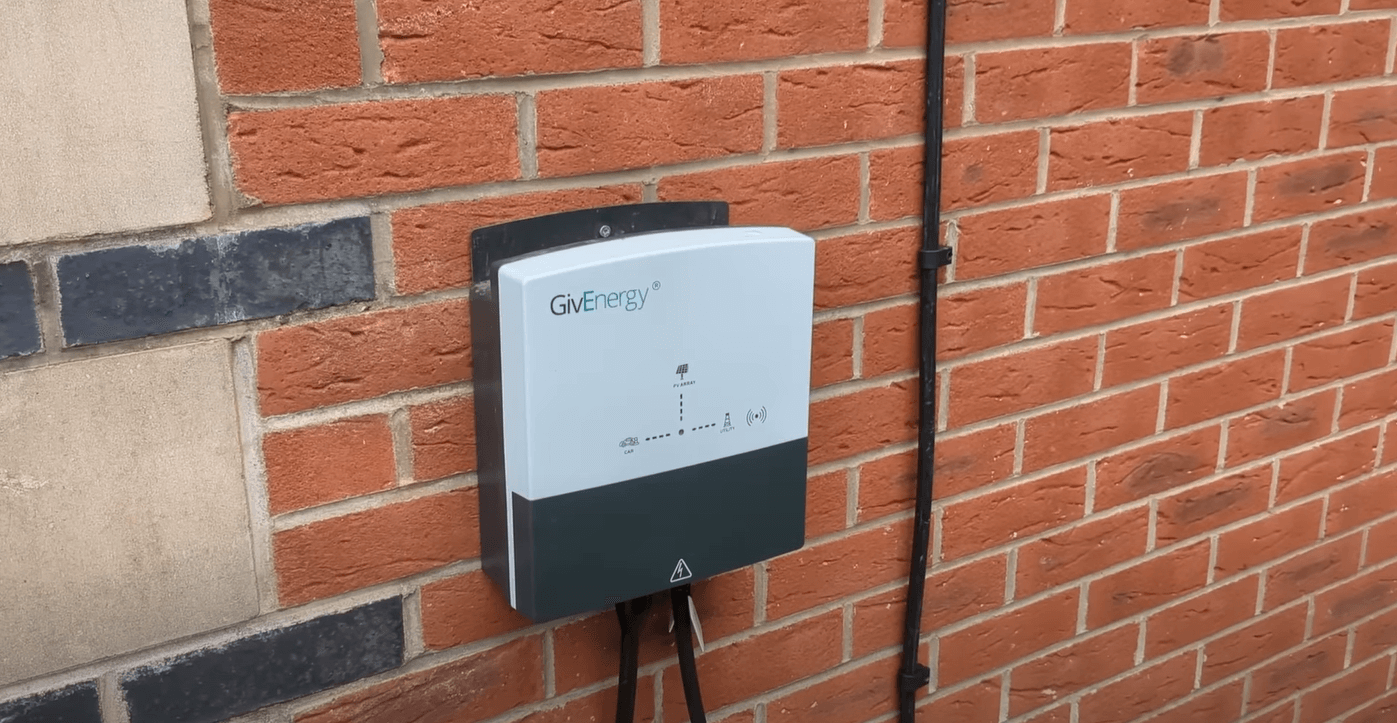
The good news is that you can modify your GivEnergy battery system, should your electricity needs change.
As your electricity consumption increases, you can add battery storage, accordingly.
Make sure that any additions to your battery system are installed by an approved GivEnergy installer. This ensures the industry-leading 12-year warranty is valid.
3. What is the payback period on your GivEnergy battery?
If you’re buying a home battery purely for environmental reasons, feel free to ignore this section.
If you’re investing in a home battery with the intention of making a financial return, pay attention.
A home battery can save you money on your electricity bills in the long-run.
However, this will only happen after you’ve saved enough to cover the upfront cost of installation and the battery unit itself.
For example, let’s say an average 3-bedroom household spends £10,000 on solar panels and a home battery system. This means that their payback period lasts until they save £10,000 on electricity bills.
If they save £10,000 over five years, their payback period is five years.
If they save £10,000 over seven years, their payback period is seven years.
You get the picture.
For a detailed guide on what to consider when calculating your payback period, click here.
Here is a basic overview of what to consider when making your calculations:
- Upfront cost (installation and cost of the unit(s))
- Cost of electricity (if you’re charging your battery from the grid)
- Average electricity usage
- Generation of renewables
- How much you get paid for exporting to the grid (such as under SEG)
4. What are the practical and financial implications of installing a home battery?
Questions concerning the what and the where of home batteries.
Let’s start with the what, i.e. what do you want as part of your home battery storage system?
A battery coupled with renewable technology brings a load of advantages; you generate your own clean energy and have somewhere to store it.
However, solar panels and a wind turbine for home come with a high upfront cost.
Moreover, you’ll need space. For solar, this is usually roof space. For wind, you’ll need roof space or a large plot of land, depending on what kind of turbine you opt for.
If renewables are not an option for you, whether for financial or practical reasons, standalone battery storage could be an option.
Now, let’s talk about the where, i.e. where are you going to install your home battery system?
All GivEnergy batteries are IP65-rated.
This means you can install them outdoors. However, be sure to leave enough room for ventilation. You’ll also need to cover the unit(s) with a canopy to prevent it getting clogged up with leaves or debris.
All batteries should be away from direct sunlight.
Installing indoors is also an option, providing the unit is well ventilated and away from any direct heat sources.
This may be something to consider if outdoor space is limited.
Note that the latest British Standards Institute (BSI) guidelines do not recommend battery installations in lofts.
However, it’s worth noting that with the increasing use of LiFePO4 battery chemistry, home batteries are only getting safer.
With this in mind, these guidelines could change in future.
Choosing a home battery: not an exact science
Choosing the right GivEnergy battery for you is complicated.
There’s no exact formula to follow.
However, as outlined above, there are plenty of things you must consider when weighing up your options.
All in all, it’s down to you to make a decision.
If you’re ready to start your home battery journey, find a GivEnergy approved installer near you today.
Further reading
- Home battery payback period: 4 things to include in your calculations
- Industry update: home battery installations in lofts
- ‘How much solar and storage do I need?’ An easy 3-step guide
- Home battery installation: 6 questions to ask you installer
- Home battery power: ‘How much capacity do I need?’ and other questions answered
- Your home battery journey: 5 things to know from installation to saving on bills
- How do home battery storage systems work? A layman’s guide