What is G100 export limitation?
Not exactly a dinner table topic, but a question you may have come across if you’ve delved into the world of micro-generation device regulations.
Home batteries, solar PV panels, EV chargers, etc. are all on the rise, as homeowners seek lower bills and lower carbon emissions.

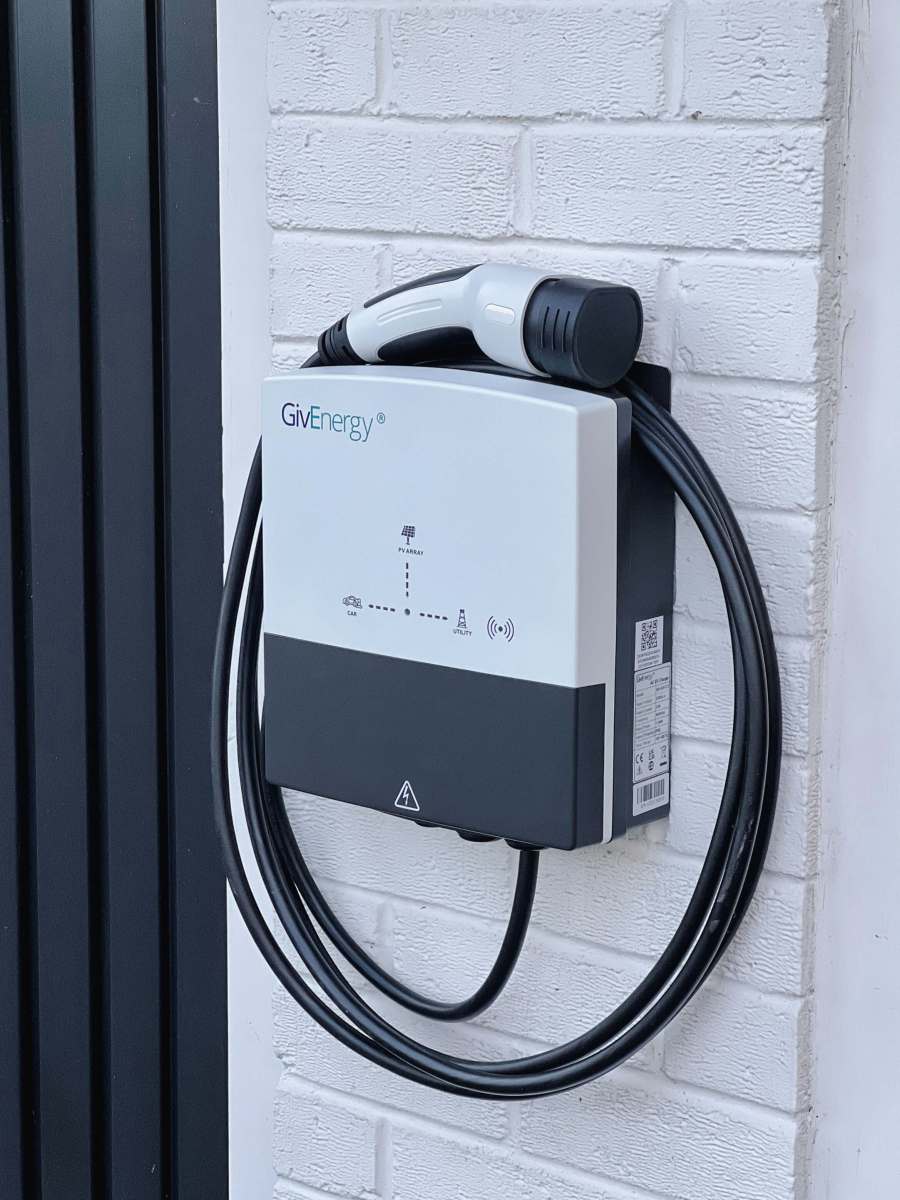

These devices can not only generate, store, and import energy…
… but can also export energy back to the grid.
With this in mind, regulating how much energy is exported is crucial. Otherwise, we might end up with an overloaded grid, possibly resulting in power outages.
G100 export limitation is a key part of this necessary regulation.
Here, we explain what it is, how it applies, and whether you need to be concerned by it.
So, what is G100 export limitation?
As the name suggests, an export limitation refers to limits on how much energy can be exported from a microgeneration device to the grid.
G100 is a comprehensive regulation devised by the Energy Networks Association (ENA) designed to address this very issue.
It’s notable that updated G100 also covers import limitations.
However, to avoid overcomplication, let’s just stick to exports for now.
Why do we need export limitation?
Let’s say your property has solar PV and battery storage.
As well as the ability to generate and store clean energy, your system can also export energy back to the grid.
You may wish to do this if, let’s say, you’re generating more energy than you can store in your battery system and want to export it to the grid in return for payment.
However, the danger of exporting is that the grid may become overloaded, potentially leading to imbalances. In turn, this could lead to grid outages.
To address this, your distribution network operator (DNO) may need to impose export limitations.
Compliance with export limitations: what the National Grid has to say
Limiting exports – formally known as an Export Limitation Scheme (ELS) – only works if micro-generation devices comply with related regulations.
Here’s how an ELS works, according to the National Grid.
The first step involves measuring the Apparent Power (in kilowatts) at the exit point of the installation in question.
The second involves using the amount of Apparent Power to determine whether restrictions are necessary. A relatively high Apparent Power may indicate that the grid is at risk of being overloaded. In this case, imposing limitations on export may be necessary.
Restrictions could include either:
- Limiting generation and energy storage output
… or:
- Increasing customer demand to prevent exceeding the agreed export capacity
Where G100 comes in
The National Grid further states that hardware being used to take part in ELS must comply with “the relevant power quality standards and with ER G100.”
Note that micro-generation devices also need to comply with G98 and G99 regulations, depending on the power output of the device in question.
‘Why should I care about G100 export limitation?’
As with G98 and G99 applications, your installer should be the one to handle all things G100.
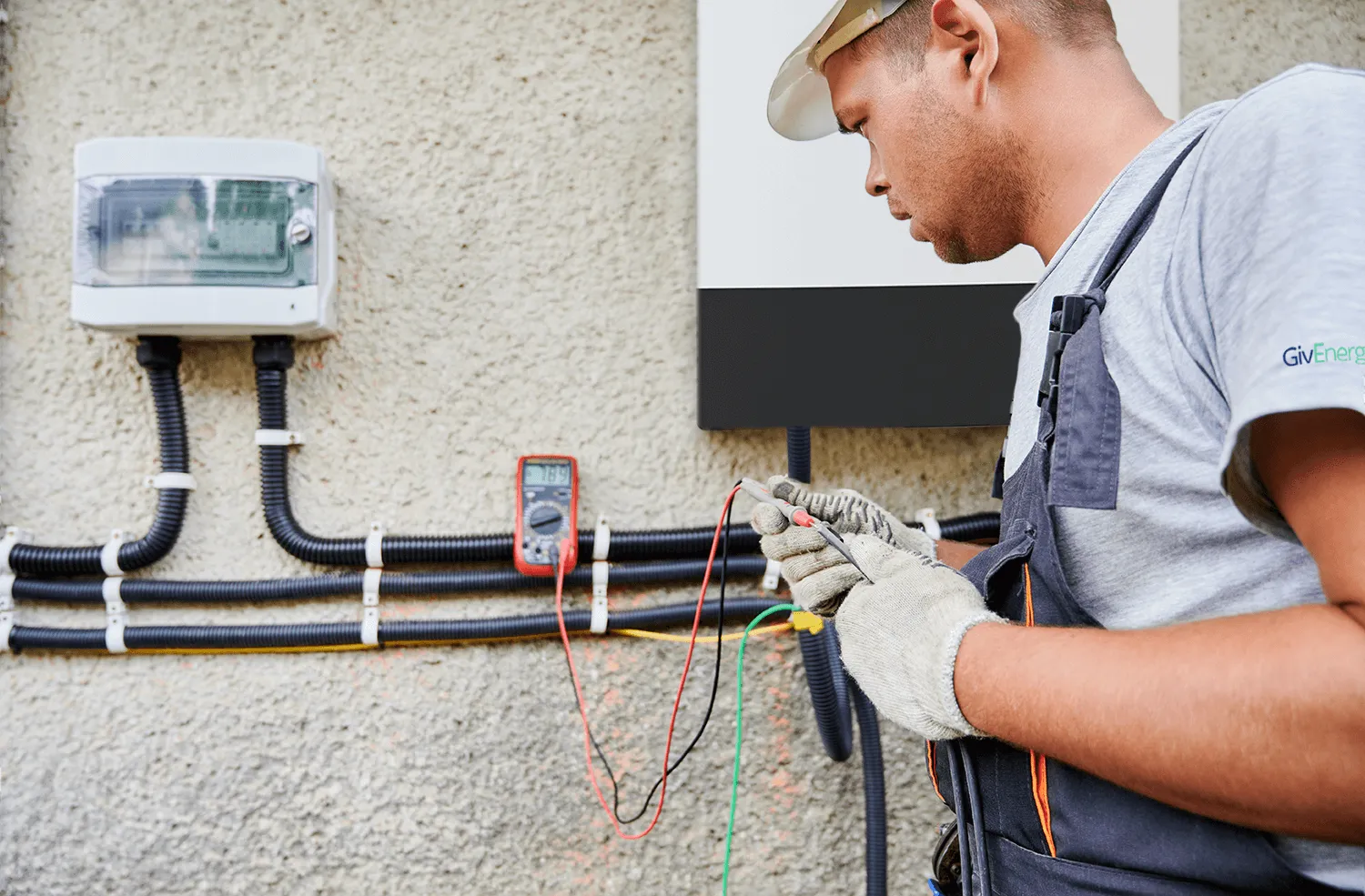
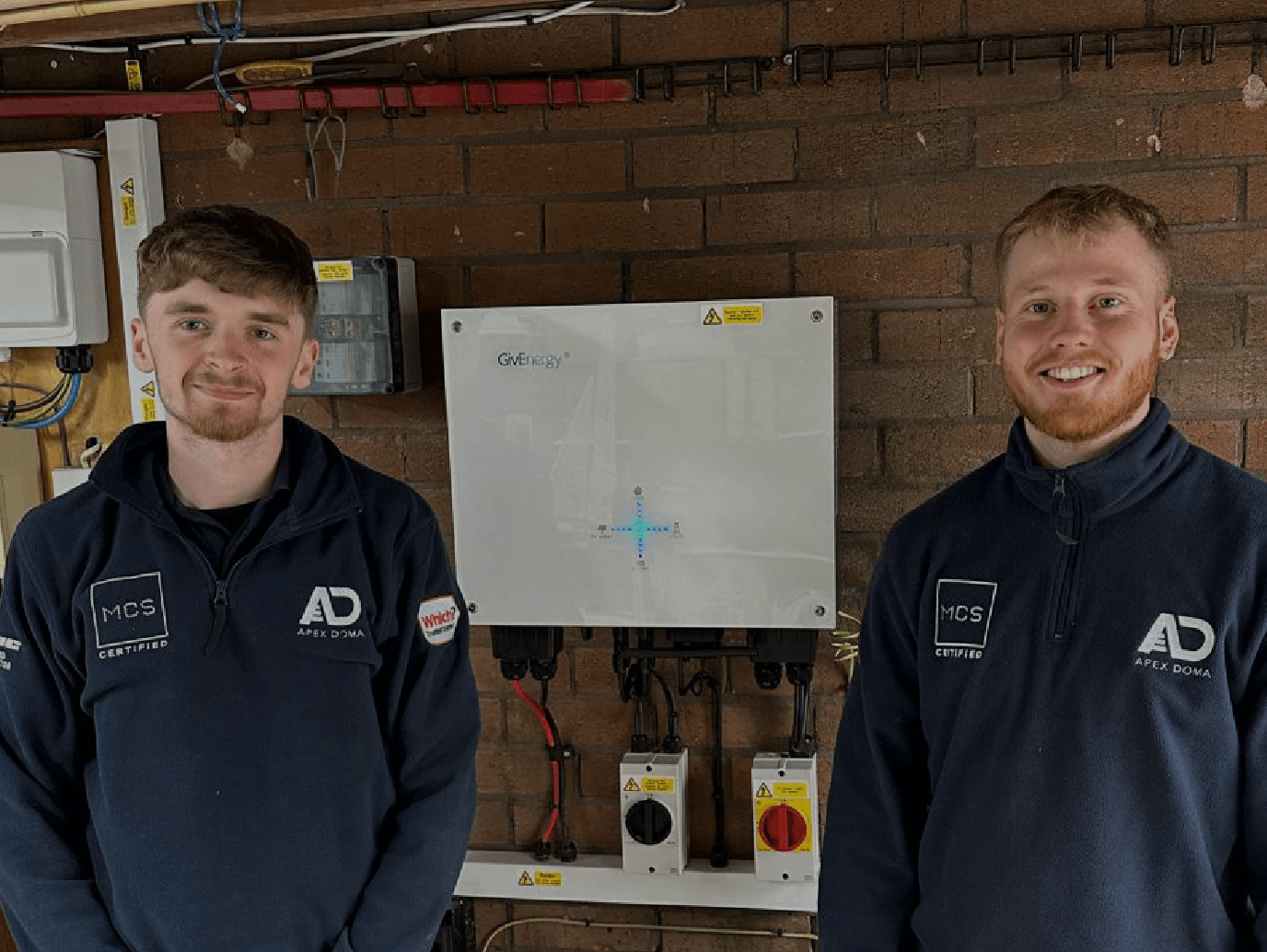
However, it doesn’t do you any harm to know about these things, especially if you want to ask your installer questions.
‘Why would I even want to export energy back to the grid?’
Exporting to the grid might not be necessary for everyone.
However, it may be desirable in some circumstances.
Smart Export Guarantee (SEG)
Let’s say you have solar PV plus battery storage.
Ideally, you should have a battery storage system large enough to ensure all solar energy generated can be used to power your home.
To do this, you need to size the right battery storage system for you.
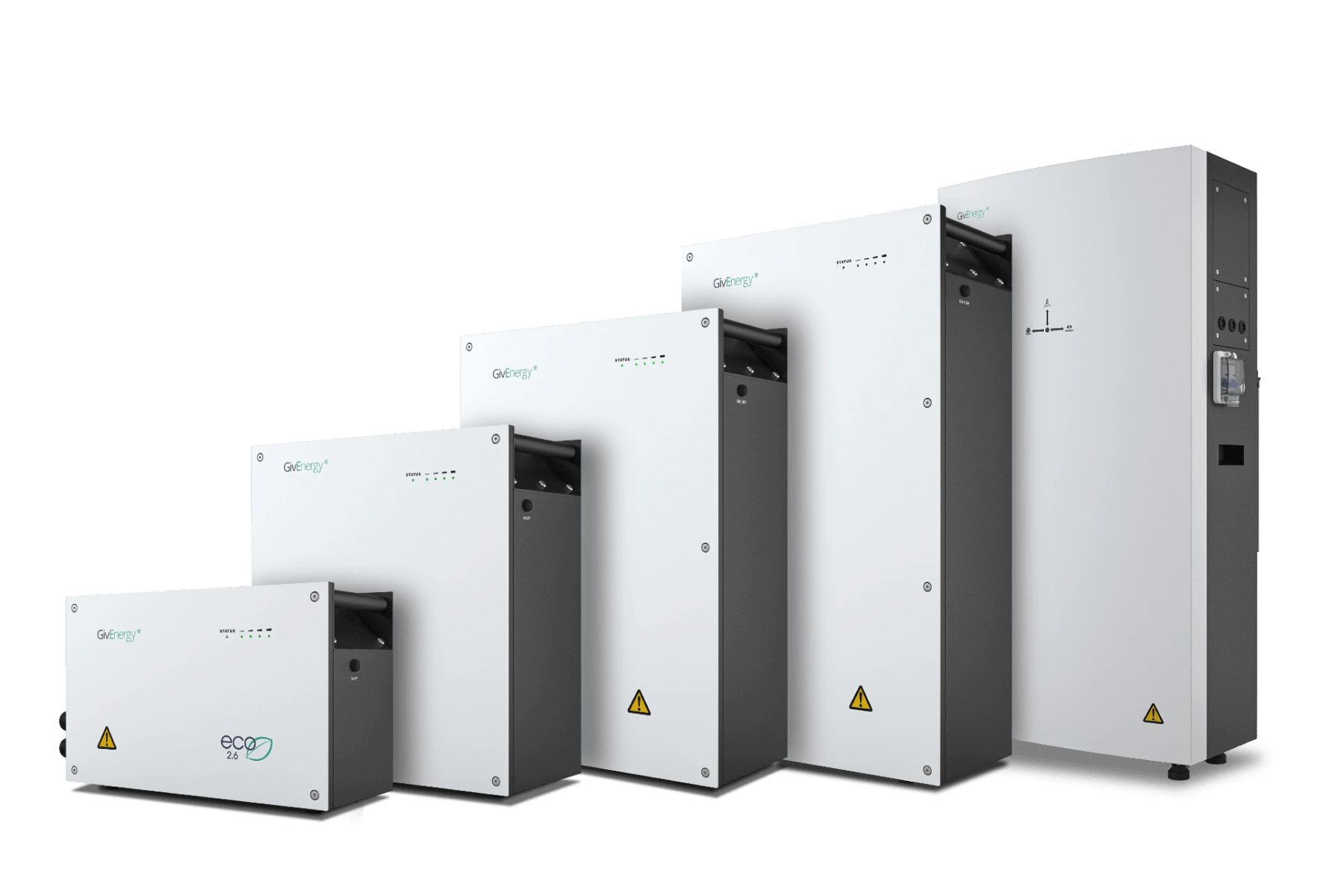
However, let’s say you generate more solar energy than your battery can store.
Instead of having that excess energy go to waste, you can get paid to export it to the grid as part of the SEG.
GivBack
In the winter of 2022-23, the ESO for Great Britain introduced the Demand Flexibility Service (DFS).
During winter, the grid is increasingly under strain. The DFS helps reduce this strain by offering financial incentives for users to shift their electricity usage outside of peak hours.
The DFS returned for the winter of 2023-24.
Through GivBack, GivEnergy users were able to make money from excess energy stored in their GivEnergy batteries by exporting back to the grid during times of peak demand.
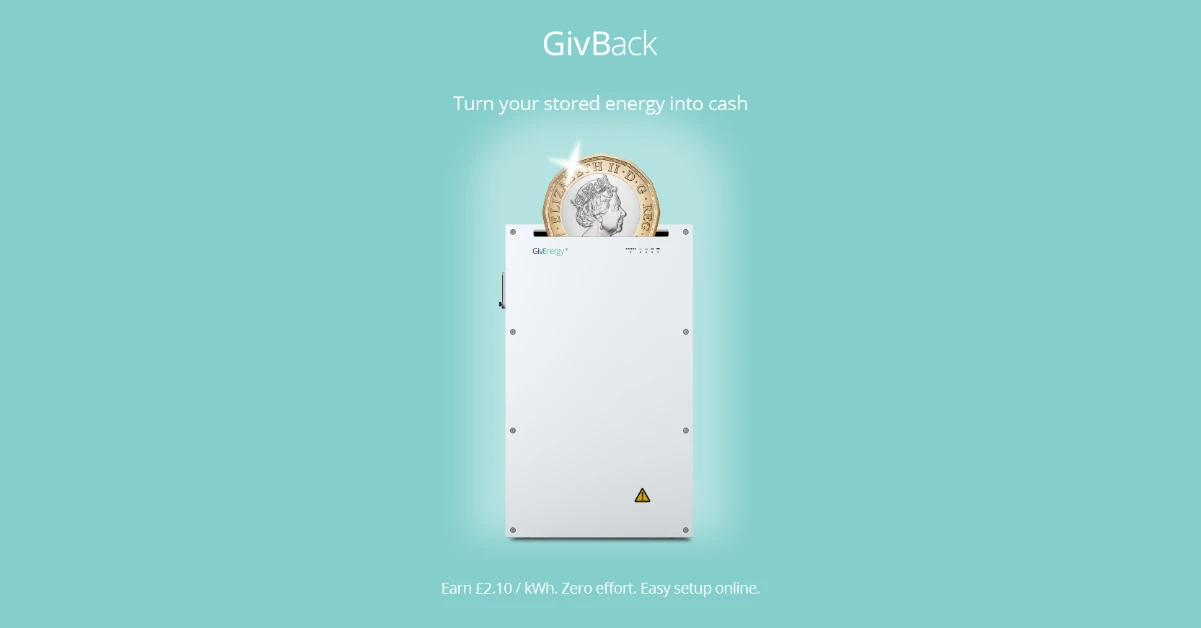
In total, GivEnergy battery owners delivered more than 60,000kWh to the grid over winter, earning a total of £138,000 for doing so.
This was the largest automated participation in DFS, helping to keep dirty fossil fuel power plants switched off.
V2G charging
V2G – vehicle to grid – charging involves EVs exporting excess energy back to the grid.
This is possible if the EV, and EV charger in question allow for bidirectional charging technology.
V2G charging could be a useful means of reducing strain on the grid, particularly during peak hours.
However, as a lot of EV charging technology is yet to incorporate V2G functionality, it may be a while before we see it become mainstream.
Ready to start your journey to energy freedom?
If you want to cut your bills and your carbon emissions, click here to get started.
Remember that all GivEnergy installers – the same ones responsible for filling out all the paperwork (G100, G98, G99, and the rest) – must be GivEnergy approved.