Energy flexibility is here to stay. In fact, we’re going to see more of it.
Gone are the days when we would just fire up fossil fuel plants whenever we needed to.
As the world heads towards net zero, energy flexibility in supply and demand is becoming ever more important.
But, what is energy flexibility?
Why does the increase in renewable energy make flexibility all the more important?
And, how does energy flexibility relate to ordinary energy consumers?
Let’s delve into the detail.
So, what is energy flexibility?
Here’s what the Electricity System Operator (ESO) of Great Britain has to say.
Energy systems – for heating and electricity – need to match supply and demand. This is known as energy balancing.
Energy flexibility refers to the ability to adjust supply and demand to meet that balance.
For example…
… imagine a hypothetical electricity grid powered solely by wind energy.
When the wind blows, energy is supplied to customers who can then power electrical devices in their homes.
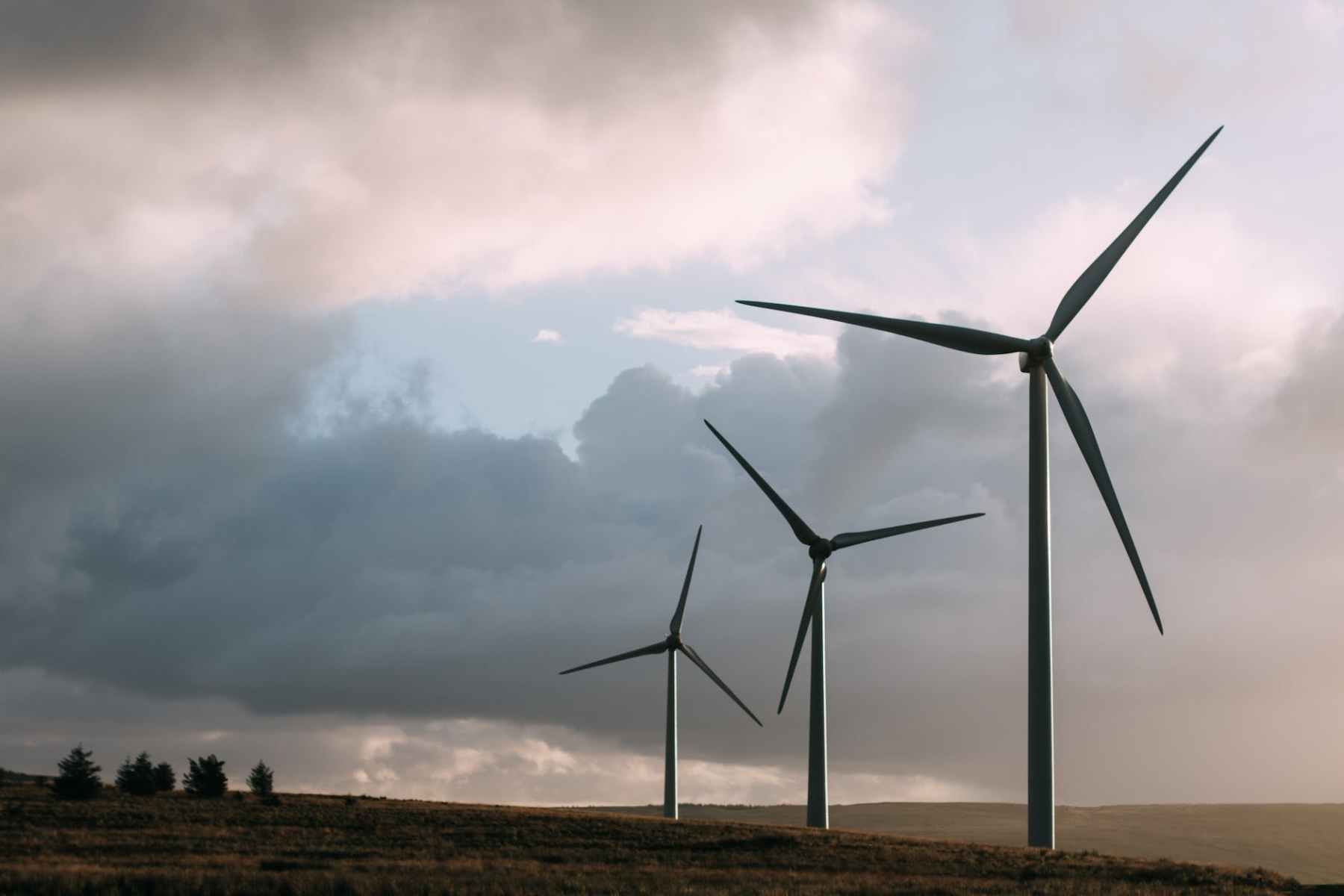
But when the wind doesn’t blow, there’s no means of providing electricity to customers.
To solve the problem of intermittent wind, grid operators or customers could manage supply. For instance, by storing energy during times of high wind generation to be discharged during times of high demand.
They could also manage demand, such as by incentivising customers to use less energy during times of high demand.
Why energy flexibility is set to get more important
The UK is legally bound to achieve net zero carbon emissions by 2050.
To this end, generation of renewable energy is on the up.
Electricity from renewables in the UK reached 50.9% of total generation in the first quarter of 2024. This was second only to the record-breaking fourth quarter of 2023.
Generation of renewables means less burning of carbon-emitting fossil fuels…
… which is a plus for net zero.
But…
… renewables – especially wind and solar – come with hour-to-hour variability. You can’t ask the sun to shine or the wind to blow exactly when you need it most.

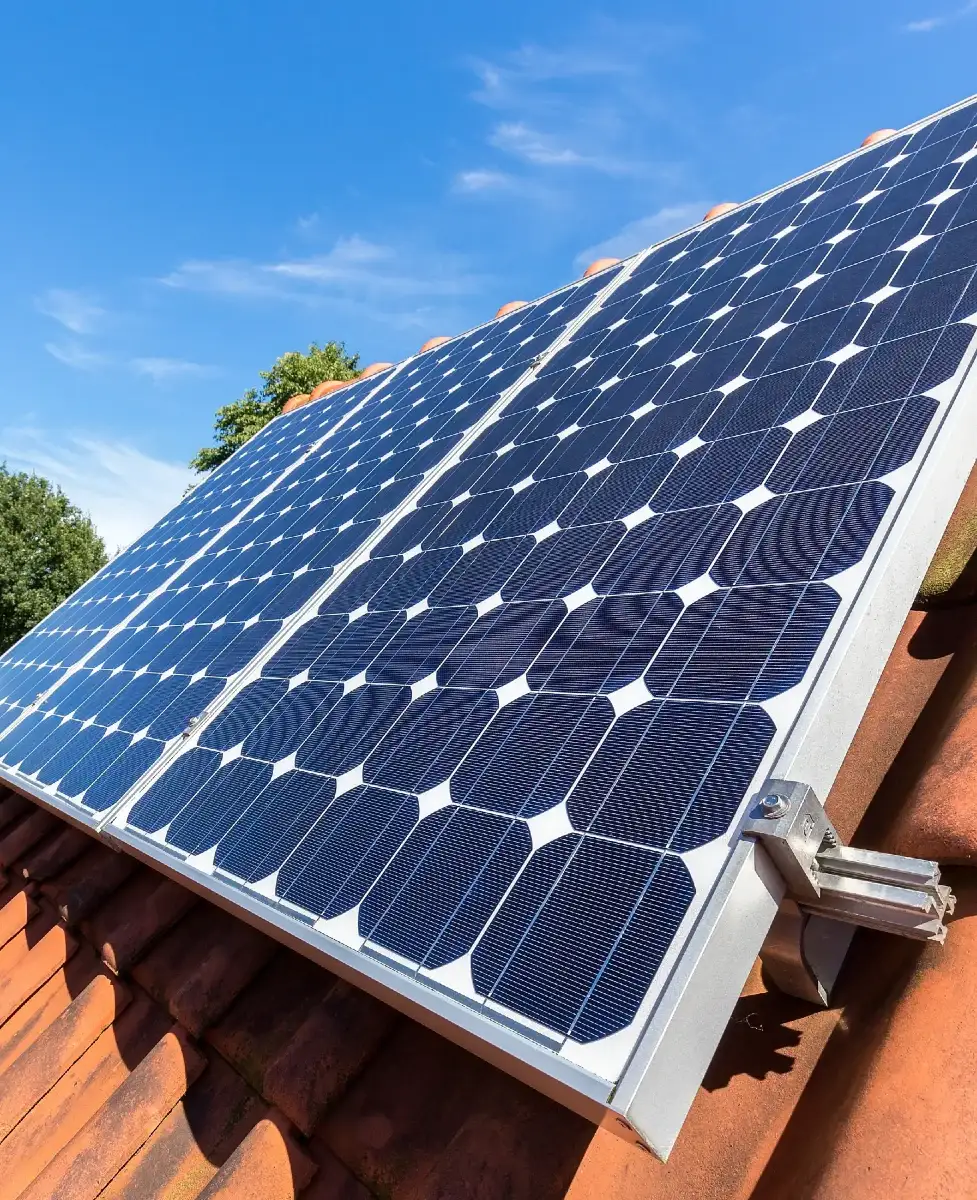
Look at electricity demand in the UK over the course of a day.
You’ll notice it spikes in the morning when people are getting ready for school and work. It then spikes higher during the late afternoon and early evening as people return home.
In an electricity grid increasingly reliant on time-variable renewables, managing supply to make sure it meets peak demand is of utmost important.
Failure to do so could result in grid operators resorting to burning carbon-emitting fossil fuels, which is…
… bad for net zero.
EVs and heat pumps
As well as renewables generation, the electrification of transport and heating is another reason why energy flexibility is set to get more important.
EVs don’t emit carbon from tailpipes. Meanwhile, heat pumps can keep buildings warm without burning carbon-emitting gas.
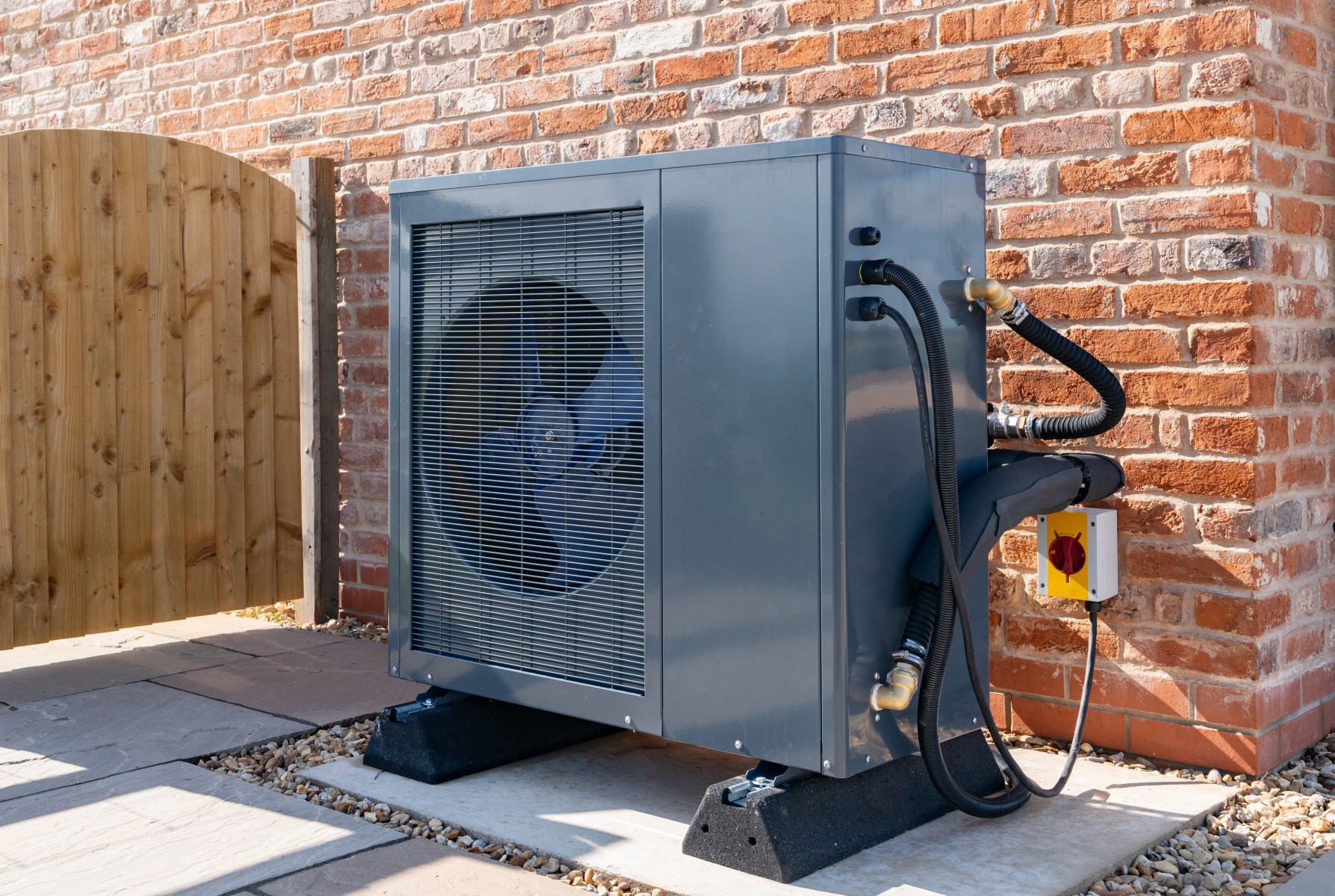
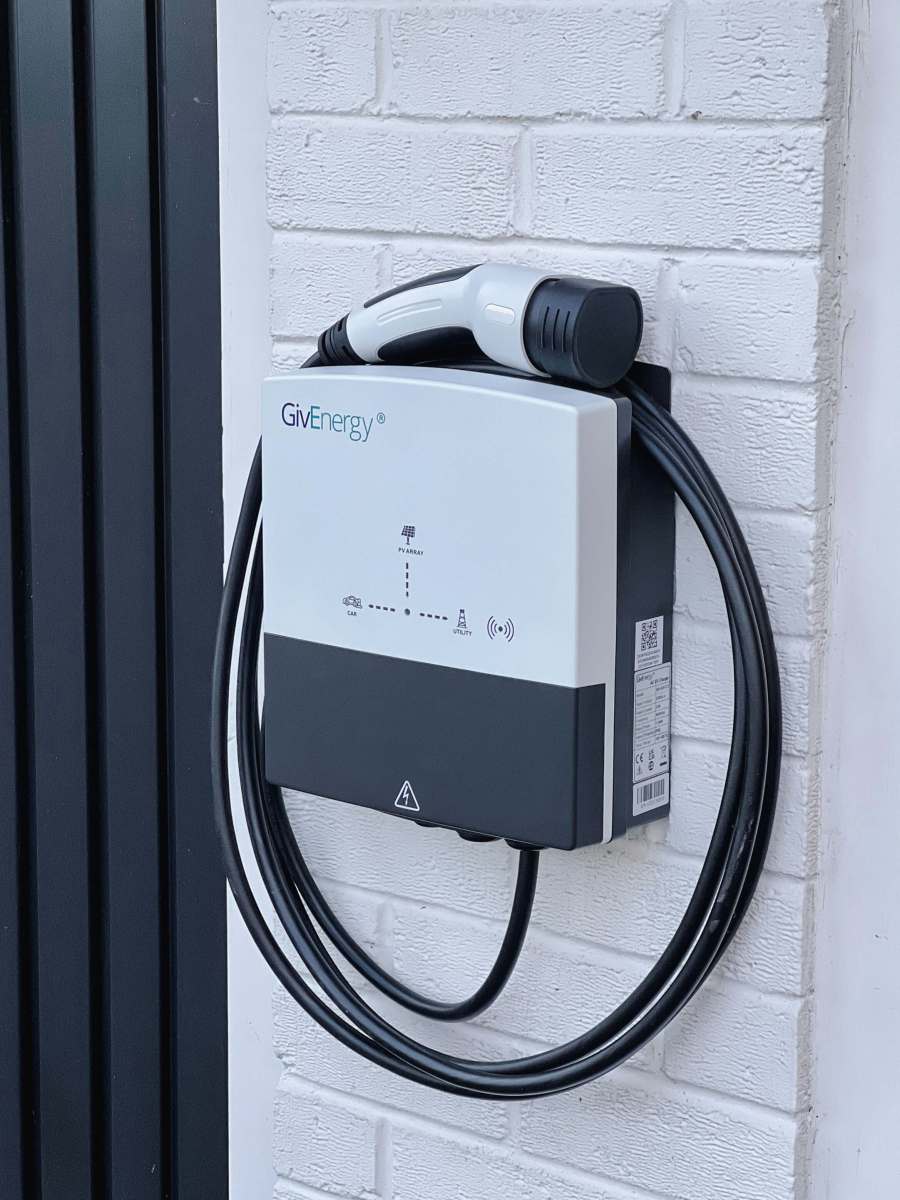
However, both run on electricity.
A report by the Centre for Net Zero suggests that the rise of EVs and heat pumps could increase annual consumer electricity demand by 50% by 2035.
Higher usage of electricity means a greater need for energy flexibility.
Otherwise, EVs and heat pumps might not turn out to be the eco-friendly tech we all know they can be.
Energy flexibility: why storage is key
The ability to store energy which can be discharged as and when required is critical to managing supply of energy.
Think back to the hypothetical example from earlier – the grid powered solely by wind.
When wind turbines are generating high amounts of energy, grid operators can store this.
They can discharge this stored energy as and when required, especially if wind generation drops during times of peak demand.
Grid scale energy storage
I.e. energy storage to supply the entirety or parts of a whole grid network.
Pumped hydro storage energy is currently the world’s largest grid scale energy storage solution by capacity, according to International Energy Agency (IEA).
However, grid scale battery storage capacity is slowly catching up.
Other common types of grid scale energy storage include:
- Compressed air energy storage (CAES)
- Liquid air energy storage (LAES)
- Thermal energy storage
Energy storage at consumer level
For electricity, this would usually be in the form of home battery storage or commercial battery storage systems.
Let’s say a homeowner has a solar PV installation, giving them the ability to generate energy.
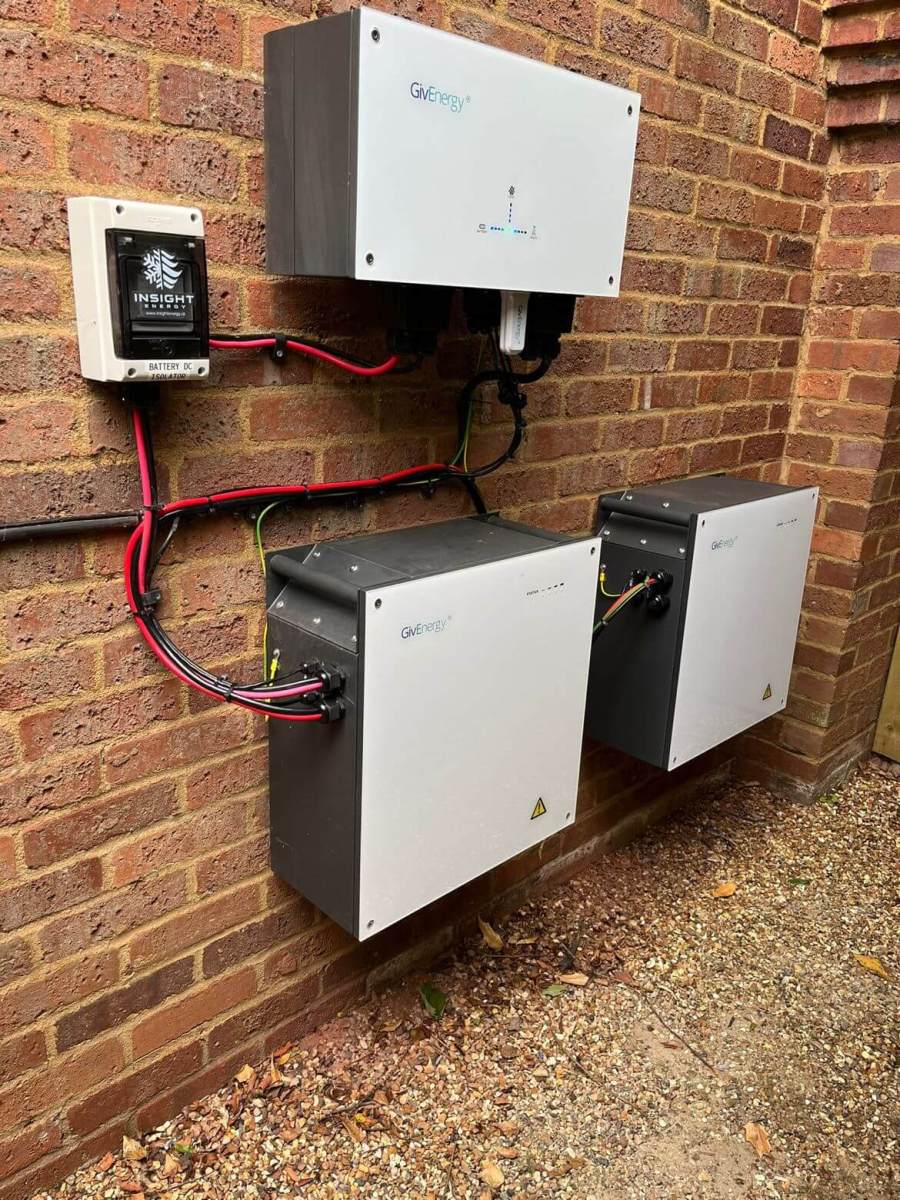
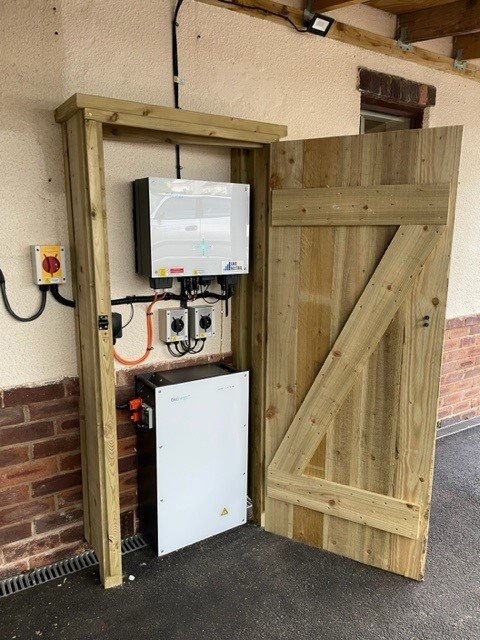
Adding a home battery storage system into the mix allows them to store the energy generated. In turn, this means they can flexibly manage the supply of energy to their home.
For instance, they can charge their battery from solar PV generation during the day.
Then, in the evening when they arrive home, they can use that stored energy to power their home.
Energy storage at a consumer level can also extend to heating. This could be through:
- Solar thermal panels
- Heat batteries
Allowing you to store energy to heat your property when you need it most.
Managing demand as well as supply
In the winter of 2022-23, the ESO for Great Britain introduced the Demand Flexibility Service (DFS).
During winter, the grid is increasingly under strain. The DFS helps reduce this strain by offering financial incentives for users to shift their electricity usage outside of peak hours.
The DFS returned for the winter of 2023-24.
And the good news for GivEnergy users?
Through GivBack, users were able to make money from excess energy stored in their GivEnergy batteries by exporting back to the grid during times of peak demand.
In total, GivEnergy battery owners delivered more than 60,000kWh to the grid over winter, earning a total of £138,000 for doing so.
This was the largest automated participation in DFS, helping to keep dirty fossil fuel power plants switched off.
A perfect example of how managing supply can achieve energy flexibility.
Energy flexibility: time for a rethink?
More specifically, a rethink on how to make buildings more energy flexible.
For the most part, recent policy decisions have focused on making buildings more energy efficient – particularly in relation to heating.
Future Homes Standard (FHS)
Set to be introduced in 2025, the FHS sets out standards by all new build homes must abide.
Sustainable heating will become compulsory, mainly through installation of air source heat pumps.
And there’ll be higher standards on insulation of homes.
Energy Performance Certificates (EPCs)
An EPC is a legally valid document showing an energy efficiency rating (A-G) for a building.
It breaks down energy performance in key areas, including:
- Insulation of walls and windows
- Hot water
- Heating system
… and more.
What about energy flexibility?
Take the FHS for instance.
What is has to say about heating and insulation is commendable. However, there is no mention of battery storage or renewables, such as solar PV panels.
This is despite polling evidence from the last parliament showing that 79% of MPs supported mandatory solar installations. Meanwhile, 61% of MPs supported mandatory battery storage installations.
And as for EPCs?
Well… they’re a little limited in what they cover.
Not to mention consumer magazine Which? carried out research suggesting some EPCs have provided inaccurate results.
The Centre for Net Zero suggests that alongside (reformed) EPCs, buildings should also come with a ‘smart’ rating – otherwise known as an SBR (smart buildings rating.)
This would offer a standardised measure of a building’s energy flexibility.
Here are a few things which would count towards a good SBR.
- EV charger
For instance, a GivEnergy EV charger has an in-built algorithm. So, you can make sure you charge your EV from the cleanest and greenest possible energy source.
- Heat pump
- Smart thermal storage
- Batteries
- Solar
How can you contribute to energy flexibility?
You… yes, YOU… can contribute to energy flexibility.
Click here to find out how.
Further reading
- Retrofit storage batteries: the key to reducing demands on grid infrastructure
- 3 ways to make your home energy independent
- Eco-friendly new builds: the call for cross-industry collaboration
- 61% of MPs now back mandatory battery installations in new builds
- UK battery strategy: 3 key questions answered
- ‘Your solar journey should start with battery storage,’ says GivEnergy MD, Dave Roberts
- Home renewables: why battery storage should be at the START of your journey