Cheap electricity rates are usually only available at the most inconvenient of times.
Let’s be honest. Most of us can’t shift our electricity usage to the middle of the night.
If only there were a way to get cheaper electricity more conveniently…
Here, we show you how capitalising on cheap electricity rates IS possible with a home storage battery.
Dispelling a common home battery myth
When it comes to home battery storage, one of the most common misconceptions is that batteries NEED renewables.
Don’t get us wrong. Battery storage plus renewables – solar PV panels or a wind turbine for home – is the ideal combination. You generate your own renewable energy and have somewhere to store it for when you need it most.
However, standalone battery storage WITHOUT renewables is also a viable option.
This works especially well if you’re on a smart time-of-use electricity tariff.
Charge your battery from the grid during cheaper off-peak hours. Discharge during more expensive peak hours. And there you have it – you get cheaper electricity AND help reduce strain on the grid.
Why many energy users don’t bother with time-of-use tariffs
According to the Department for Energy Security and Net Zero (DESNZ), 71% of households surveyed were on a standard electricity tariff, as of summer 2022.
In other words, the majority of those surveyed were paying the same for electricity, regardless of the time of day.
Meanwhile, just 12% of those surveyed said they were on a time-of-use tariff, while 17% said they didn’t know what type of tariff they were on.
While 51% of those surveyed expressed willingness to switch to a time-of-use tariff, many remained unconvinced.
The biggest reason?
Of those surveyed, 32% said a time-of-use tariff wouldn’t save them money, while 34% said they didn’t want to think about when to use electricity.
Where battery storage could help
Let’s say your time-of-use tariff offers you cheaper electricity rates between the hours of midnight and 7am.
With a standalone battery storage system, you can charge from the grid during these hours.
And then, when peak electricity hours roll around, you can use the cheaper energy stored in your battery to run your home.
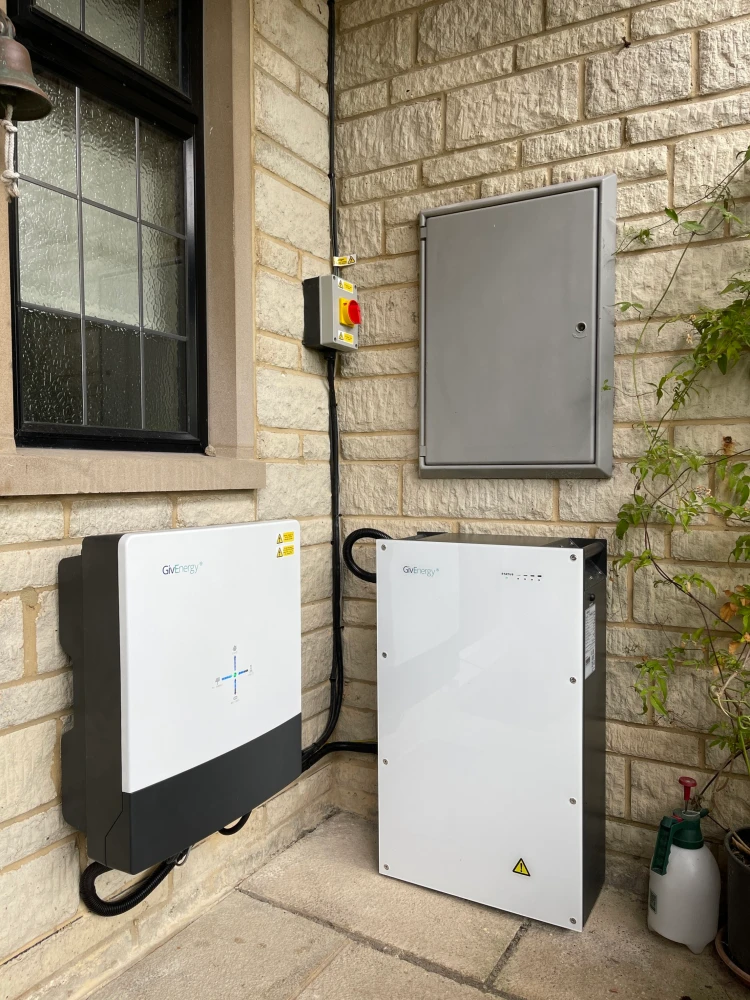
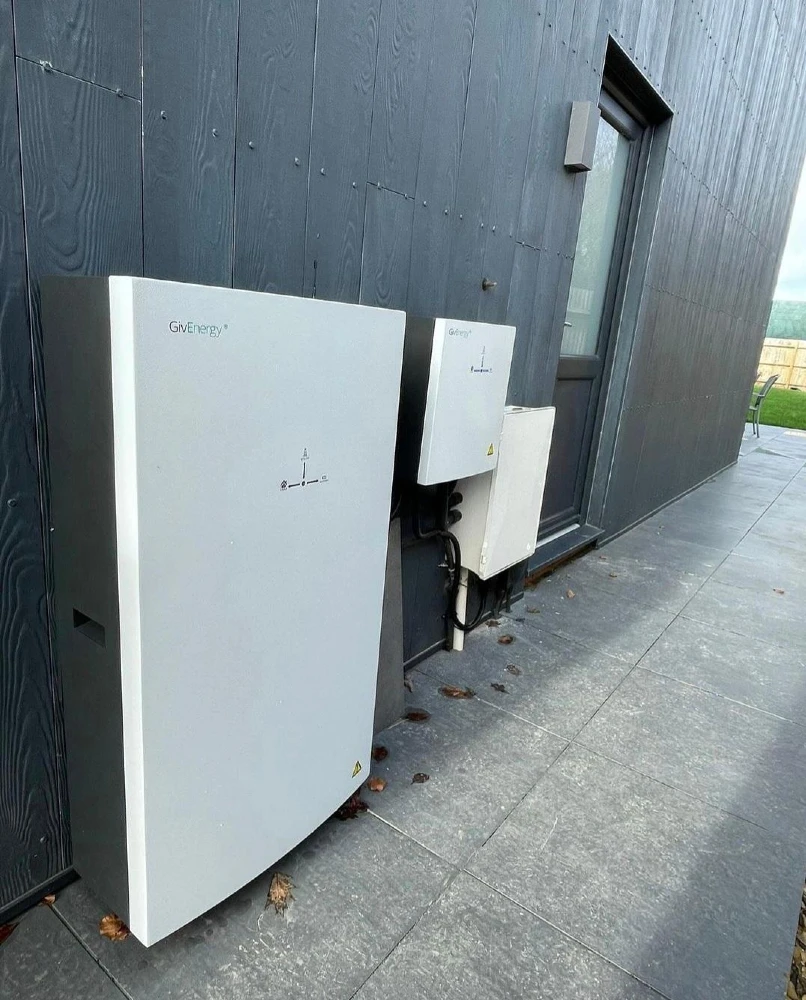

3 steps to capitalising on cheap electricity rates with a home storage battery
1. Get yourself on a smart time-of-use tariff
The first step towards cheaper electricity.
Make sure you choose an electricity tariff which allows you to get cheaper rates at certain times of the day.
You may also find that smart tariffs offer cheaper rates when clean energy is in abundance. This could be when the sun is shining, or the wind is blowing.
2. Install a home battery
Make sure to choose the right battery for you.
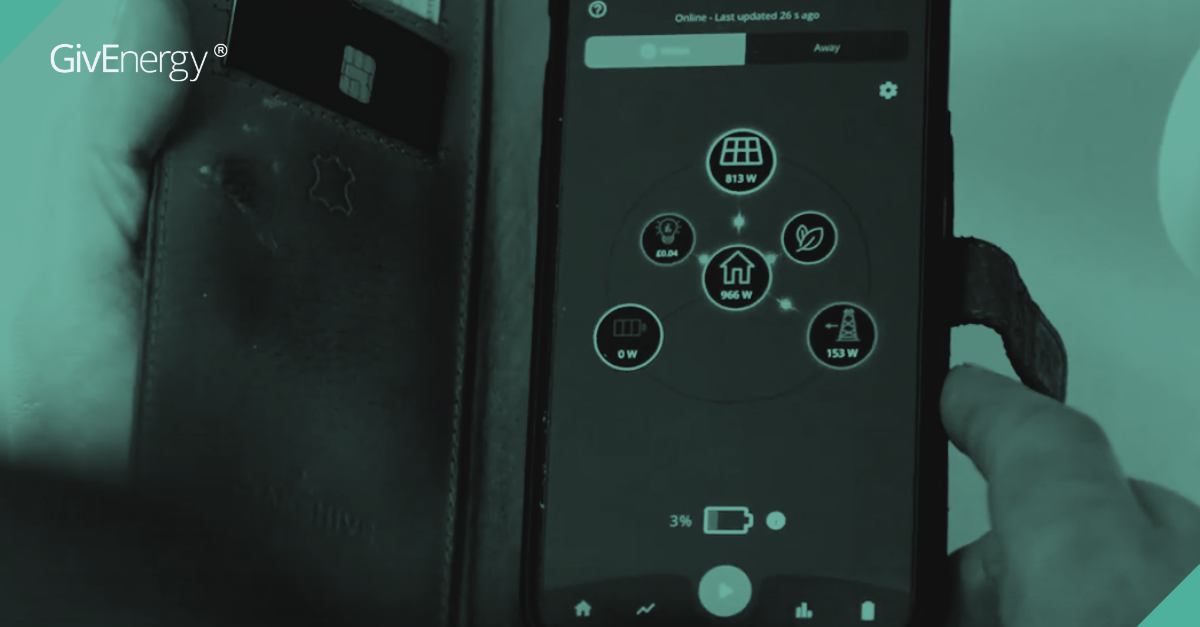
This will depend on your household electricity usage – something you can easily monitor via a smart meter for overall usage, or a smart plug for individual devices.
Ideally, you’ll want a home battery with enough capacity to cover you household’s electricity needs.
Use 9kWh per day of electricity? You may want to go for the Giv-Bat 9.5 with a capacity of 9.5kWh.
If you’re using high-powered devices – such as an EV charger, hot tub, heat pump, etc. – you’ll need to account for these when sizing your home battery.
If you’re unsure, click here and follow the steps to get a quote from a professional on the best-sized battery for your home.
Remember that ONLY approved GivEnergy installers can fit GivEnergy batteries. This validates the industry-leading 12-year warranty.
3. Select the right charging mode
GivEnergy batteries come with a range of different charging modes.
Click here for a comprehensive guide.
For standalone battery users, the best modes to use are as follows:
– GivEnergy ECO mode –
As the default charging mode, this is suitable for pretty much any GivEnergy user, including those with a standalone battery. Your battery uses an in-built algorithm to charge and discharge intelligently, helping you to maximise self-consumption.
– Timed charge –
As the name suggests, this mode allows you to set a timer for when your battery charges from the grid.
So, just set your charging time for whenever electricity is cheapest.
– Timed discharge –
Like timed charge, except for… discharging.
This could be useful if you want discharging time to align with more expensive peak electricity hours. In short, you draw energy from your battery, rather than the grid, during more expensive hours.
Beyond cheap electricity rates, why not also EARN money from your home storage battery?
What’s even better than cheap electricity?
How about exporting energy back to the grid and getting paid for it?
In the winter of 2022-23, the Electricity System Operator (ESO) for Great Britain introduced the Demand Flexibility Service (DFS). During winter, the grid is increasingly under strain. The DFS helps reduce this strain by offering financial incentives for users to shift their electricity usage outside of peak hours.
The DFS returned for the winter of 2023-24. And the best part? GivEnergy users had a chance to participate in the form of GivBack!
GivEnergy users were able to make money from excess energy stored in their GivEnergy batteries by exporting it back to the grid during times of peak demand.
In total, GivEnergy battery owners delivered more than 60,000kWh to the grid over winter, earning a total of £138,000 for doing so.
This was the largest automated participation in DFS!
Ready to start your journey?
Whether you want standalone battery storage, or battery storage with solar, get started on your journey to energy freedom today.