What you’ll read in this article:
- What the term home battery payback period means
- 4 things to consider when calculating your home battery payback period
A home battery is perfect for reducing energy bills and carbon emissions.
Data from GivEnergy customers suggests that on average, users reduce annual bills by 85% and carbon emissions by 300kg.
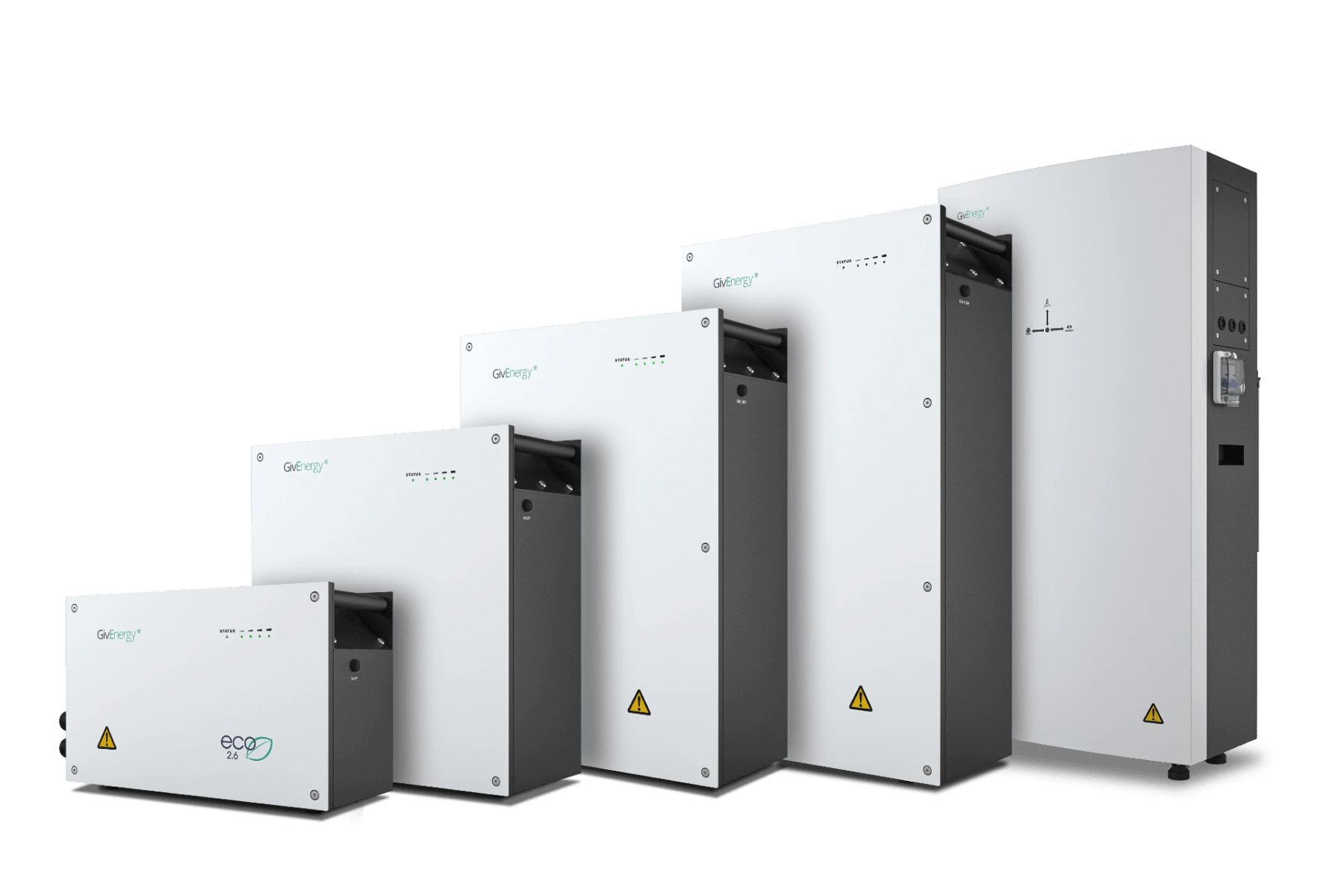
Home batteries come with an upfront cost. This includes the price of the units and installation.
With this in mind, you’re likely wondering how long it’ll be before you start seeing a return on investment.
Calculating your home battery payback period is complicated because of each battery user’s unique circumstances.
We can’t calculate your home battery payback period for you.
However, we can offer some guidance as to what you should include in your calculations.
Think of this as a layman’s guide to calculating home battery payback period.
What does home battery payback period mean?
Let’s demonstrate with an example.
Owners of an average 3-bedroom house in the UK invest in a home battery and solar PV panels.
According to The Eco Experts, the average cost for a suitable solar and storage system in 2024 is around £11,500.
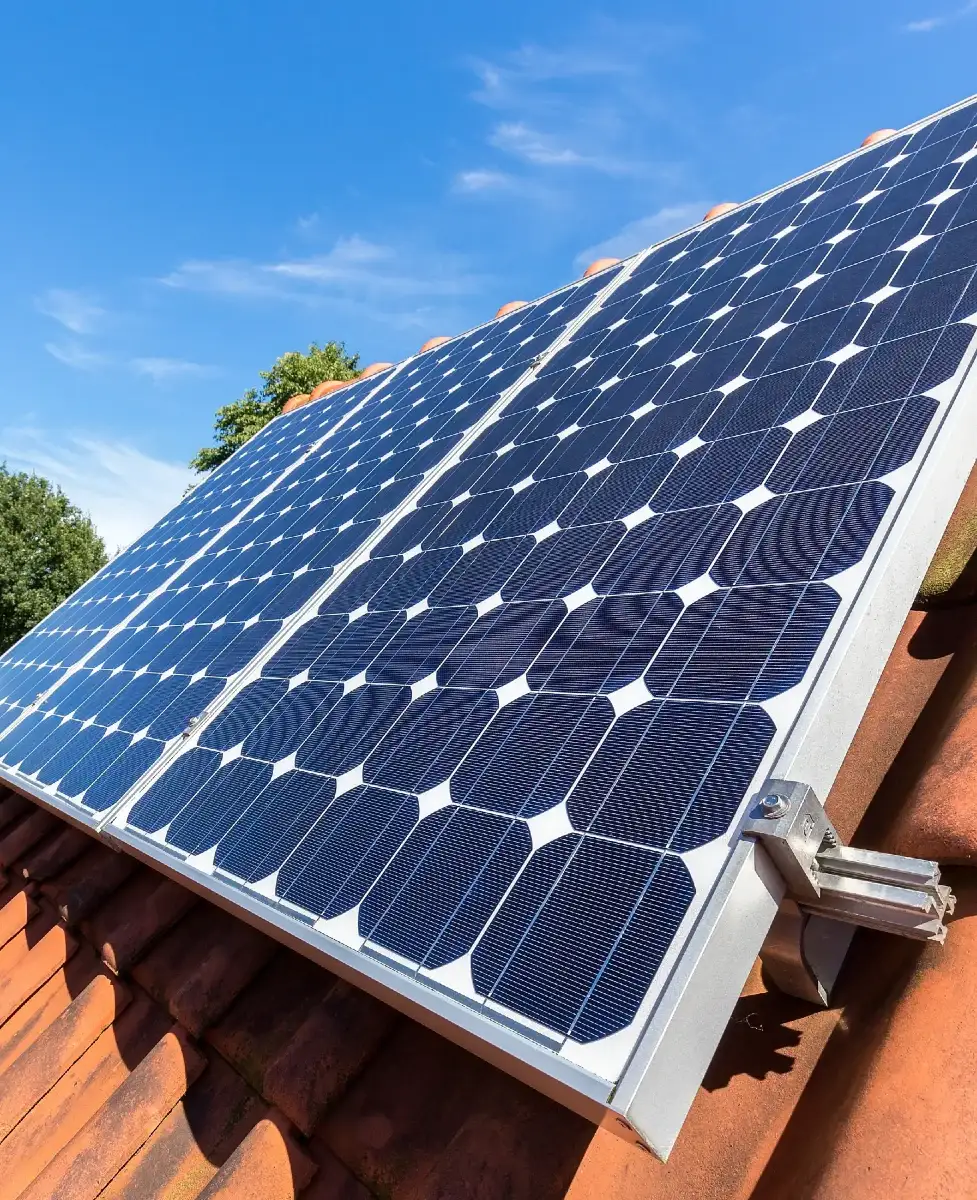

This means the household must save £11,500 as a result of installing the system before their payback period is complete.
If they save this much over 15 years, the payback period is 15 years.
If they save this much over 10 years, the payback period is 10 years.
You get the idea.
You may also hear this referred to as the break-even point.
Now that’s out the way, let’s go through what you need to factor in when calculating your payback period.
4 things to include in your payback period calculations
1. Upfront cost
When it comes to your battery, this includes:
- The cost of the unit (battery, inverter, etc.)
- Installation
A couple of other things to consider when choosing a battery.
Depth of discharge
This refers to the amount of the total battery capacity which can be safely used.
Take a 10-kilowatt-hour (kWh) battery with an 80% depth of discharge. This means only 8kWh can be safely discharged from the battery. Effectively giving the battery a capacity of 8kWh.
All GivEnergy batteries have a minimum depth of discharge of 80%. This extends to 100% for premium products.
Battery lifespan
In other words, how long your battery will last.
For all GivEnergy domestic batteries, users get an industry-leading 12-year warranty.
Over this time, there will be health checks at years 5, 8, and 10.
Remember that for the 12-year warranty to be valid, installations must be done by an approved GivEnergy installer.
If you’re installing renewable technology…
… then this should also be included in the upfront cost.
The most scalable and practical option is solar PV panels.
For some, a wind turbine for home may also be an option. However, this comes with caveats regarding cost, practicality, and planning permission, among other issues.

Installing renewables makes for higher upfront costs. However, as explained below, it can result in higher savings.
2. Cost of electricity
Electricity prices can be difficult to factor into your home battery payback period.
That’s because prices are changing all the time. Moreover, prices can vary depending on:
- Your energy supplier
- What kind of tariff you’re on
- The time of day you import electricity from the grid
At the time of writing, electricity prices in England, Scotland, and Wales are capped at 24p per kWh.
‘I thought battery storage was all about being energy independent. Why should I care about electricity prices?’
While battery storage can make you more energy independent, importing from the grid will likely still be necessary.
This is true if you opt for a standalone storage battery while using a smart tariff.
In this case, you can charge your battery during cheaper off-peak hours and discharge during more expensive peak hours.
Let’s look at average prices for Octopus Energy’s Agile tariff in April 2024.
In the West Midlands, average off-peak prices stand at 9.8p per kWh. Meanwhile, average peak prices stand at 25.4p per kWh.
In this example, strategically charging and discharging your standalone battery could theoretically save you 15.6p per kWh.
Of course, things might not be quite so straightforward.
If you don’t have enough battery power stored for peak demand, you may have to import from the grid when electricity is more expensive.
Your electricity usage may increase due to the addition of new home appliances.
And everything else in between.
All things you need to consider when calculating your payback period.
Note that electricity import costs can also be important for those with battery storage and renewable technology. Consider those days when your solar panels aren’t generating much and you need to import from the grid.
3. Average usage of electricity
According to Ofgem, the latest figures for average annual electricity usage are as follows:
- For a 1-bedroom flat or house (1-2 people) – 1,800kWh
- For a 2-3-bedroom house (2-3 people) – 2,700kWh
- For a 4-bedroom house or bigger (4-5 people) – 4,100kWh
You don’t need us to tell you that not every home is average. Electricity usage varies depending on a whole range of factors.
Here are a few things you can do to get a more accurate measure when calculating your payback period.
Energy monitoring
Smart meters make this easier than ever.
In Great Britain, the number of smart and advanced meters in homes and small businesses hit 32.4 million at the end of March 2023.
Moreover, smart plugs also provide a form of energy monitoring for individual devices.
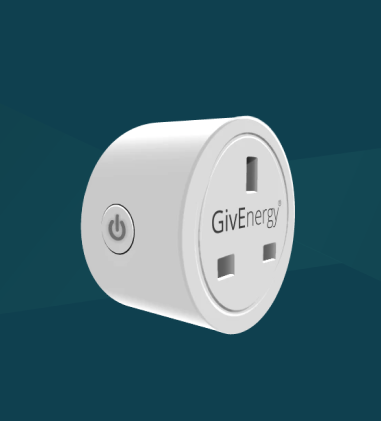
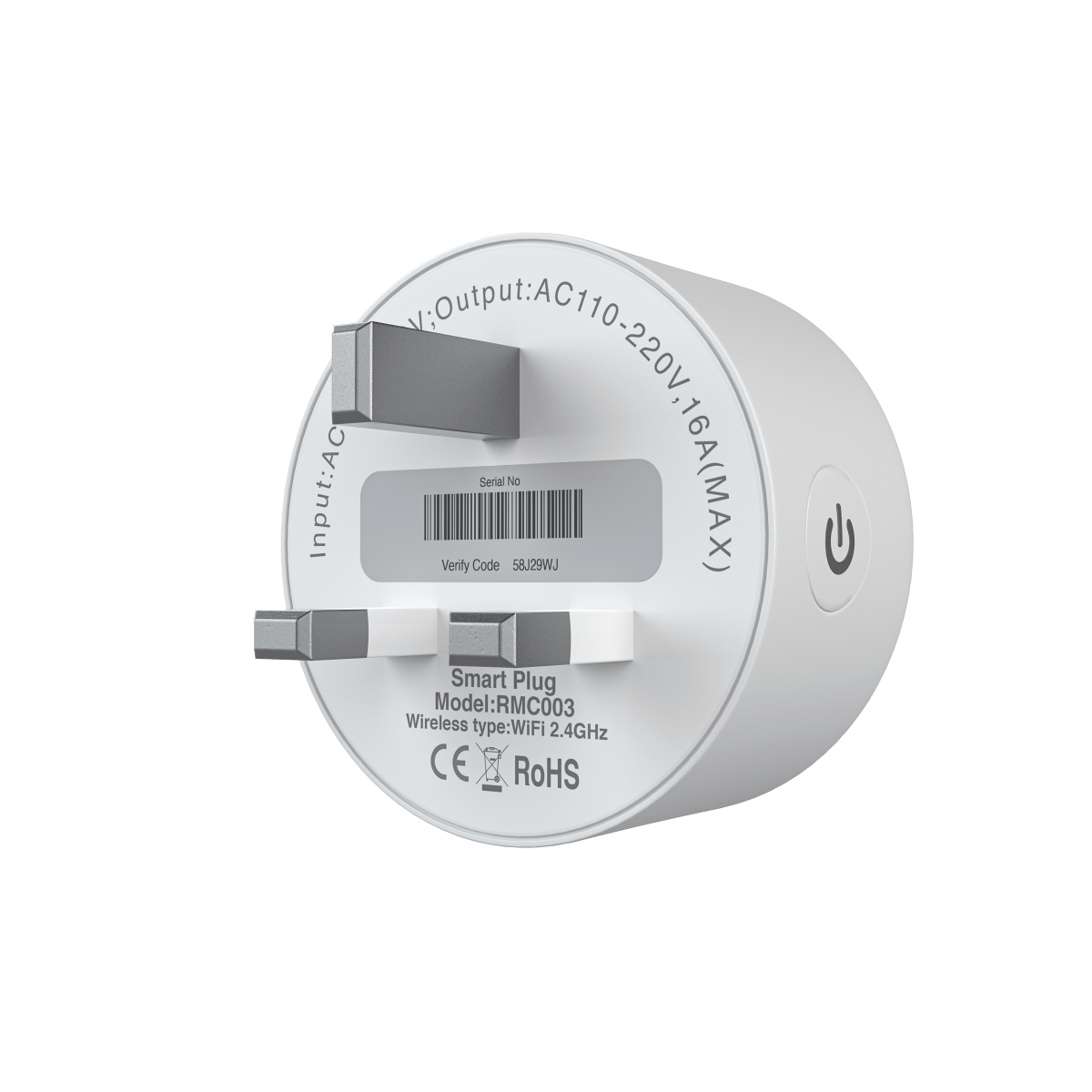
With GivEnergy products, monitoring is possible through the app and more comprehensive portal.
Consider seasonal variations in energy usage
Electricity usage in the UK varies month-to-month.
In 2023, average consumption was highest in January at 25.54 terawatt hours (TWh) and lowest in June at 19.76TWh.
A UK government report suggests that on average, demand on a typical winter’s day is 36% higher than that of a summer’s day.
Why does electricity demand tend to be higher in winter?
More time spent inside, more time with the lights on, etc. are just a couple of reasons.
Add to all that the electrification of heating.
Heat pumps run on electricity. Therefore, during the winter months when the heating is on more often, you’ll use more electricity.

4. Generation of renewable energy
This applies if you have a battery storage system coupled with renewable technology.
(Who knew?!)
A few things to consider in your calculations here.
Your system setup
For solar, factors determining how much electricity you can generate include:
- The number and size of panels
- The type of panels – monocrystalline, polycrystalline, and CIGS thin-film all have varying levels of efficiency
- Direction and angle of the panels – generally, panels facing south in the northern hemisphere and north in the southern hemisphere perform better
Meanwhile, for a wind turbine for home, this can include whether you choose:
- A roof-mounted (smaller capacity) system
- A pole-mounted (larger capacity) system
Your location
For solar, the best place in the UK is on the south coast of England, with Sussex as the UK’s sunniest county.
The worst place in the UK for solar?
The Scottish Highlands where average annual sunshine duration can be less than 900 hours.
That being said, don’t be put off installing solar panels in an area with less than average sunshine.
Panels will still generate electricity. You’ll just get more out of them in Eastbourne than Easter Kinkell.
For wind, you won’t be surprised to hear that mountainous and coastal areas are better for generation.
Think Scottish Highlands, Peak District, Devon and Cornwall, Welsh mountains, etc.
Seasonal variations
This is especially true for solar.
There’s more sunlight on average during summer than during other times of the year.
We’re getting a little stating-the-obvious. Nonetheless, these are all relevant factors when making your calculations.
SEG payments
Something else to include in your calculations: getting paid for exporting renewable energy to the grid.
This has been possible since January 2020 thanks to the government’s Smart Export Guarantee (SEG).
The concept is fairly straightforward. Any excess renewable energy can be exported to the grid for which the user is paid per kWh.
Getting started with your home battery journey
As you can see, calculating your home battery payback period can be complicated.
From electricity prices to renewable generation, getting all the sums right is not necessarily straightforward.
However, with the right information, you can get a rough idea of when your break even point will come.
If you’re looking to get started with your home battery journey, find a GivEnergy approved installer near you.
Further reading
- GivEnergy partners with Octopus Energy on new smart tariff set to slash consumer bills
- Smart tariffs and home storage batteries: a match made in heaven
- 10 benefits of battery storage: save 85% on energy bills & more
- 3 ways to make your home energy independent
- Your home battery journey: 5 things to know from installation to saving on bills
- What is electricity grid trading? 3 steps to making money from excess energy
- Solar panels and battery cost: 5 questions answered