What you’ll read in this article:
- How virtual power plants (VPPs) work
- Why we need virtual power plants
- Virtual power plants in action
Means of generating, storing, and supplying energy are changing. The days of firing up fossil fuel power plants to meet demand, as and when required, are fading away.
Instead, distributed energy resources are on the rise. These include a combination of solar PV installations, wind turbines, battery storage systems, etc. located in homes, businesses, and elsewhere.
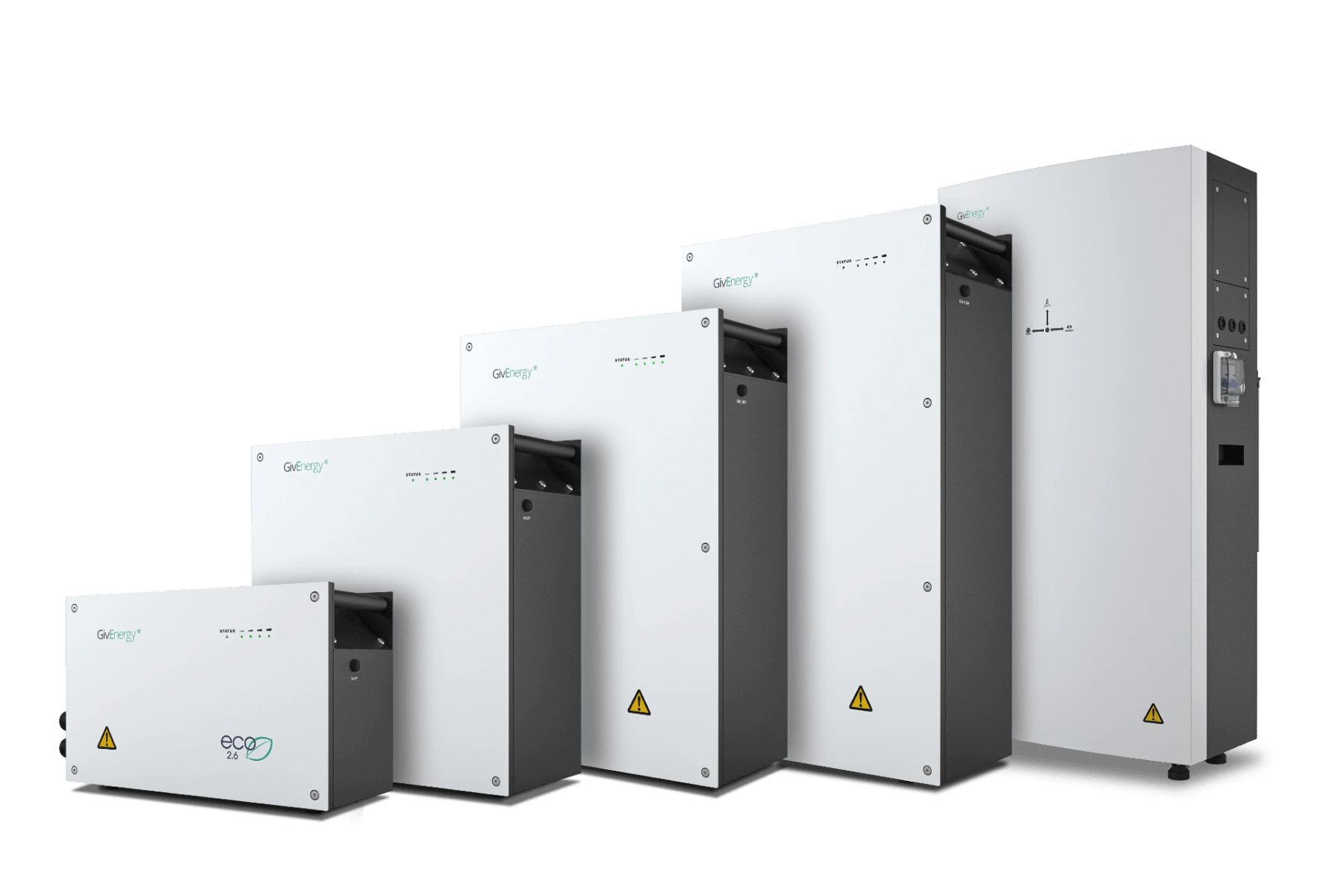

A combination of time-variable renewables, as well as increasing electricity demand from EVs and heat pumps, means electricity grids require flexibility in the way supply and demand are balanced.
This flexibility won’t come from centralised physical power plants. Instead, grid operators are increasingly calling on networks of distributed energy resources – otherwise known as virtual power plants (VPPs).
Here, Dave Roberts, UK MD at GivEnergy explains what a VPP is, and why VPPs will provide the energy of the future.
What is a VPP?
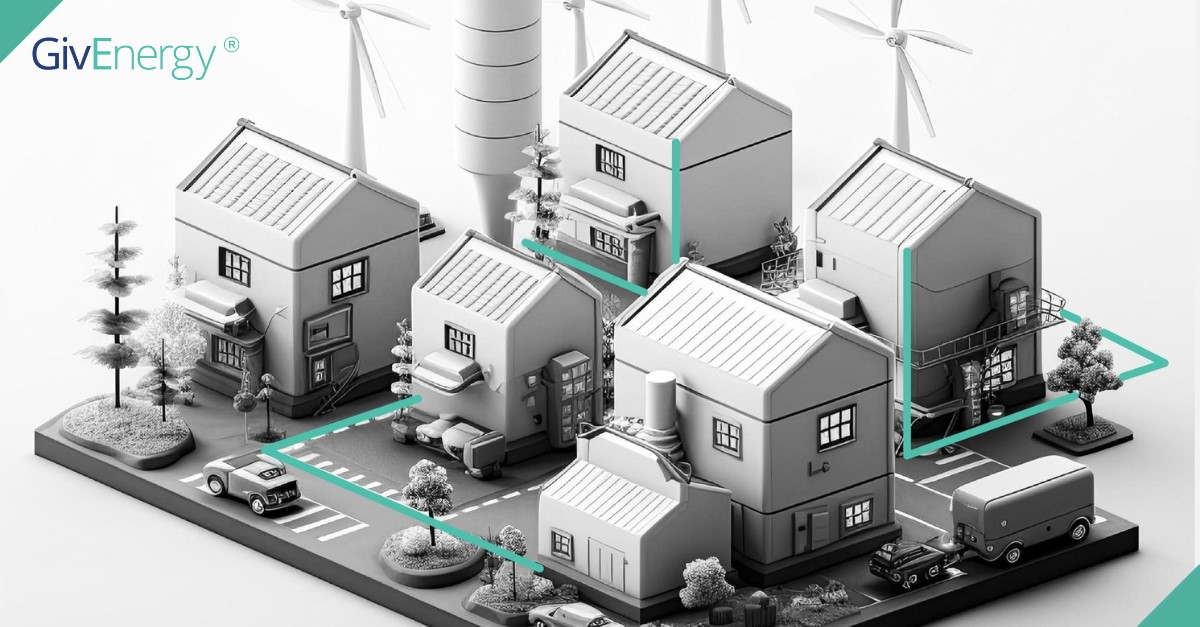
A traditional electricity grid revolves around physical power plants, generating energy to meet demand, as and when required. On the other hand, VPPs are ‘virtual’ in the sense that they exist as a network of distributed energy resources.
In layman’s terms, you could say that a VPP is the ‘internet of energy’. If VPPs constitute the internet, then renewable technology, home batteries, etc. are the computers connected to the network.
To understand how a VPP works in practice, think of this hypothetical example.
The Jones household is connected to the electricity grid of Great Britain. To help reduce their electricity bills and carbon emissions, the Joneses have installed solar PV panels and a home battery storage system. In short, they can generate energy and store it to power their home when they need it most.
Grid operators know that balancing supply and demand of electricity can be challenging during times of high demand. One such time is late afternoon and early evenings during winter.
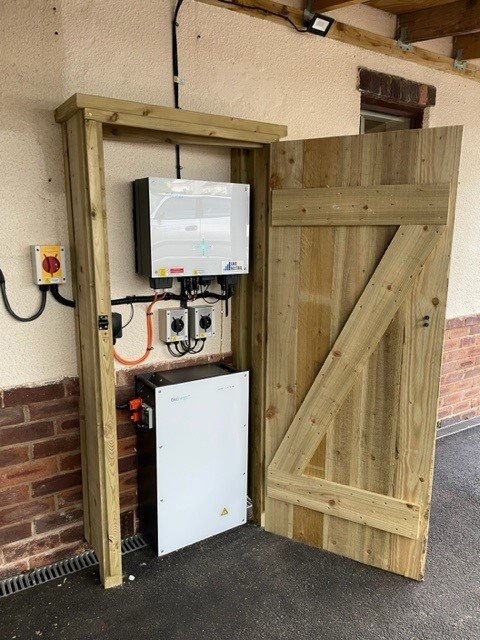

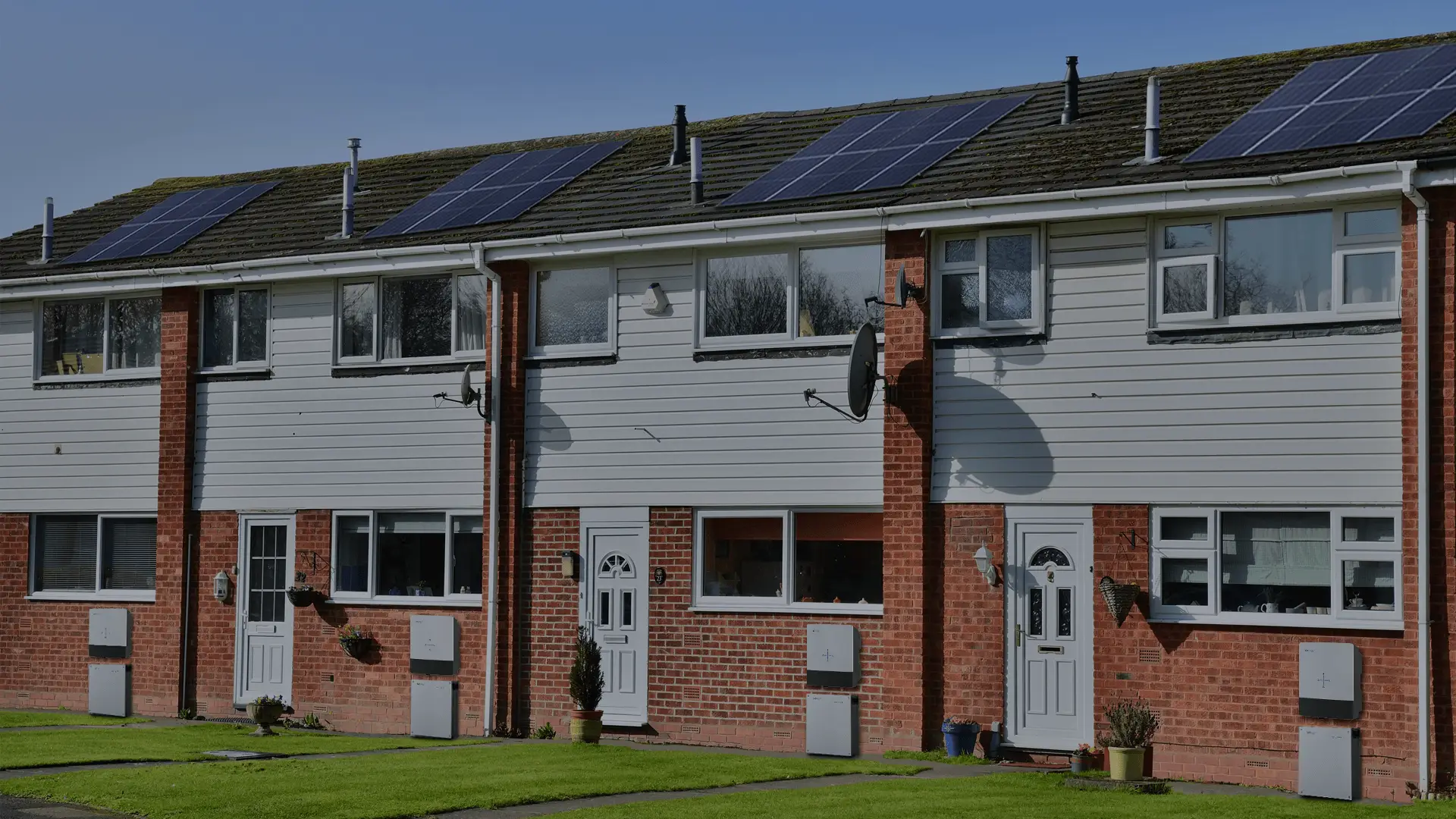
Grid operators also know that during these periods, they can call upon households like the Joneses to help balance supply and demand.
For instance, the Joneses may have excess energy stored in their home battery. Grid operators could offer financial incentives to export said energy back to the grid during times of peak demand.
A whole network of households like the Joneses constitute a VPP – a network which grid operators can call upon to support the grid, as and when required.
Managing supply and demand through VPPs means there’s less chance of the grid becoming strained. In turn, this means there’s less chance of grid operators resorting to burning carbon-emitting fossil fuels to meet electricity demand.
Why we need VPPs
The UK is legally bound to achieve net zero carbon emissions by 2050. To this end, the UK aims to decarbonise the grid by 2035.
Generation of electricity from renewables – key to decarbonisation – is at an (almost) all-time high. In the first quarter of 2024, 50.9% of total generation came from renewables – second only to the last quarter of 2023.
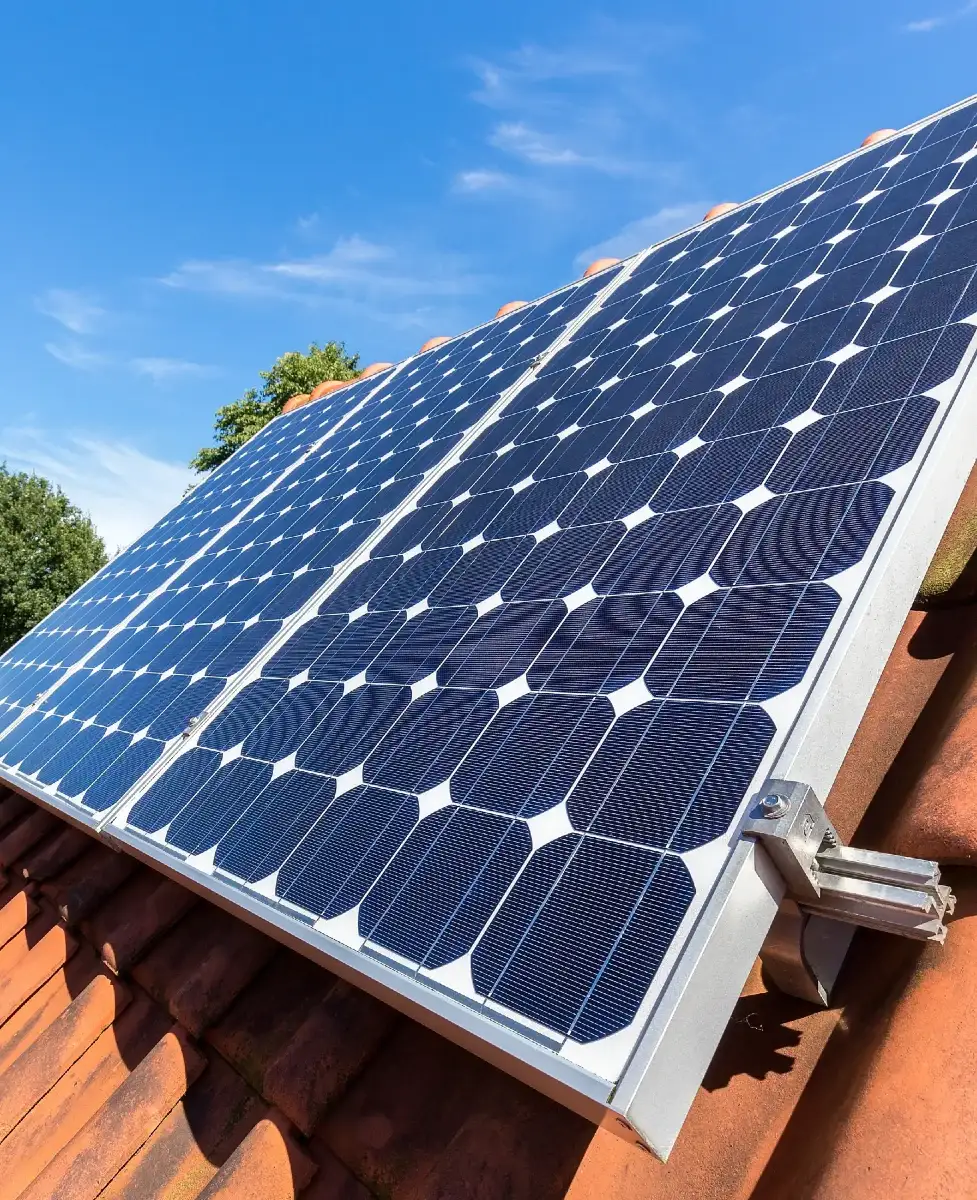
The growth in renewables is positive. However, renewables – especially solar and wind – come with time variability. In short, grid operators cannot make the sun shine or the wind blow whenever electricity is in demand.
Moreover, annual consumer electricity demand in the UK is set to increase by around 50% by 2035, according to a report co-authored by Centre for Net Zero. That’s due to more EVs and more heat pumps; the electrification of transport and heating means greater demand for electricity.
VPPs are by no means the only solution for offsetting time variability and increased demand. However, with so much potential for distributed energy resources to support the grid, they are set to play an increasingly important role in balancing supply and demand.
VPPs in action
London
Back in 2020, UK Power Networks (UKPN) paid 45 households in the capital to export energy stored in their home batteries to the grid during times of peak demand. The trial reduced household evening peak electricity demand by 60% and helped cut carbon emissions from electricity by 20% for average households.
Demand Flexibility Service (DFS)
Introduced in the winter of 2022-23, the DFS is operated by the Electricity Service Operator (ESO) for Great Britain. The grid is increasingly under strain during winter. The DFS helps to reduce this strain by offering electricity users financial incentives to shift usage outside of peak hours.
The DFS returned for the winter of 2023-24. Results show that £11.9m was earned by participants, with over 3.7 GWh of energy delivered.
Octopus Energy EV charging tariff
Moving beyond home batteries, VPPs can also take the form of electric vehicle charging networks.
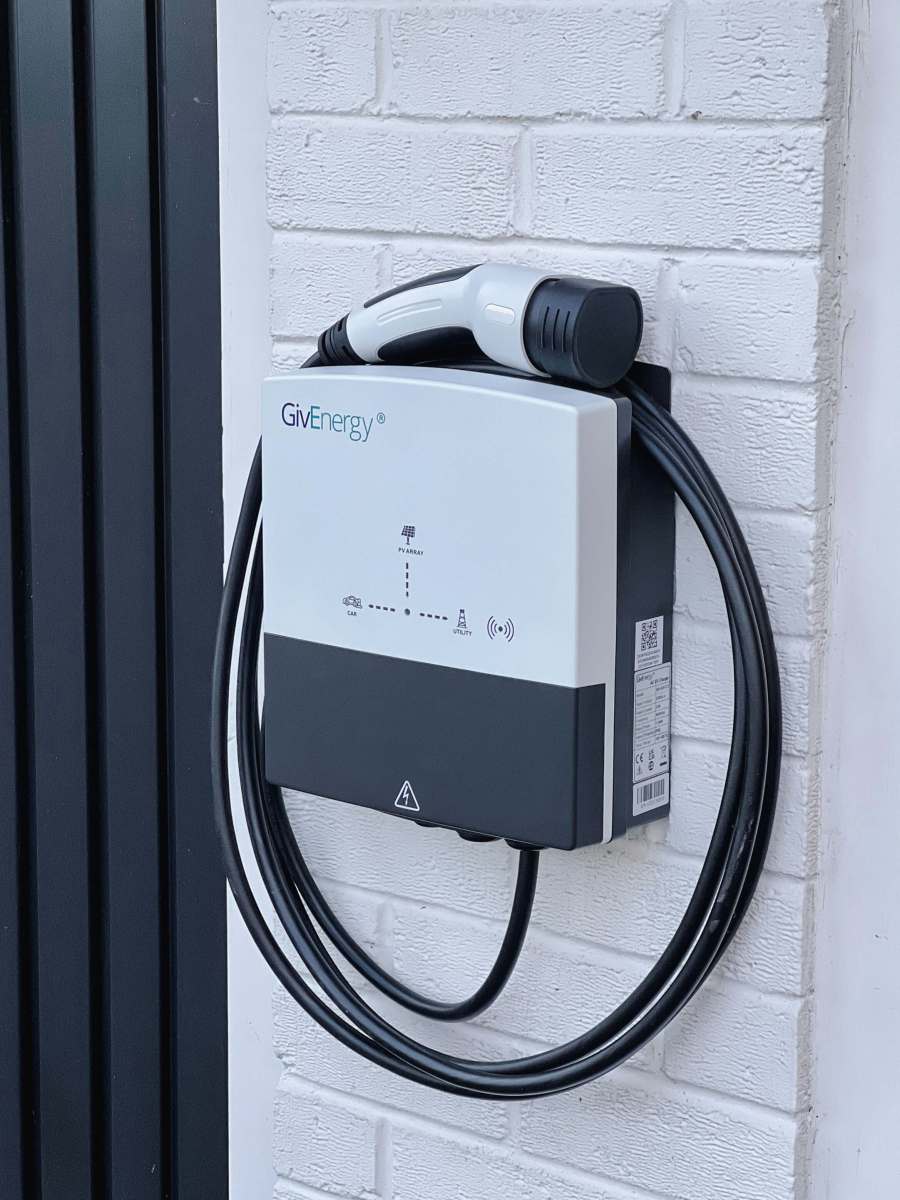

Octopus Energy announced in early 2023 that it had taken over 100MW of electric vehicle charging power through its Intelligent Octopus tariff. Customers can set the time and amount they want their vehicle charged by. Then, through Kraken – Octopus Energy’s technology platform – EVs can charge automatically when more low-cost energy is available.
The tariff helps to shift demand out of peak times, thereby acting as a VPP helping to reduce strain on the grid.
The future of VPPs
According to Research Corridor, the global virtual power plants market is estimated to grow at a CAGR of around 23% from 2024-2030. In future, expect to see VPPs not just in the form of solar PV, wind turbines, home batteries, etc., but also in the form of EV charging networks, and more.
As the UK progresses towards net zero, the supply of electricity will be increasingly dependent on time-variable renewables. Moreover, EVs and heat pumps will drive higher consumer electricity demand.
To offset both this time variability and rising demand, expect VPPs to become an increasingly common feature of our electricity network.
This article was originally published here on Energy & Sustainability Solutions.