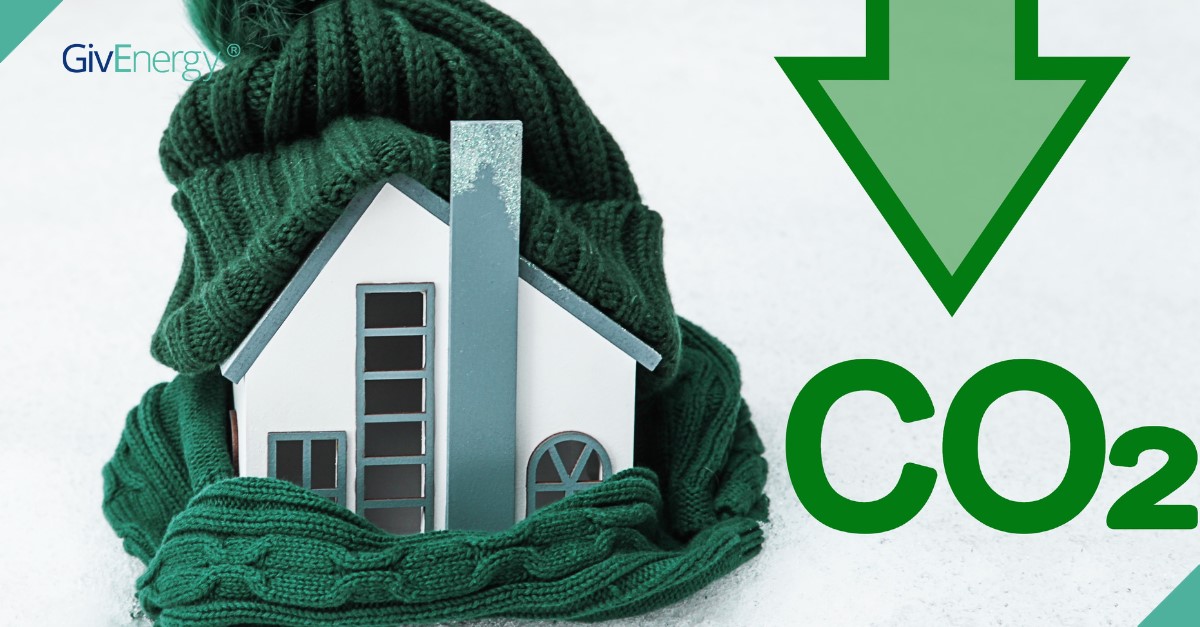
Heat decarbonisation…
Far from being just the icing on the cake, it’s an integral part of achieving net zero carbon emissions by 2050.
Here, we explain what heat decarbonisation is in the UK.
We’ll also ask:
- Why do we need to decarbonise heat?
- How can we achieve heat decarbonisation?
- Will electrifying heating cause the grid to strain?
So, what is heat decarbonisation?
‘Decarbonise’ means to make something carbon-free.
Therefore, heat decarbonisation refers to methods of heating which don’t emit any carbon.
Why do we need heat decarbonisation?
Globally, 40% of all energy-related carbon emissions are due to heating.
In 2021 in the UK, heating homes accounted for 18% of emissions, according to the National Audit Office.
Most carbon emissions from heating are due to the burning of natural gas.
To decarbonise heating, policymakers, industry, and others need to replace gas boilers with other carbon-free forms of heating.
In turn, this will contribute to achieving net zero carbon emissions by 2050.
The heat and buildings strategy laid out a plan for heat decarbonisation in the UK as early as 2021.
How can we achieve heat decarbonisation?
The UK has already got the ball rolling when it comes to carbon-free heating.
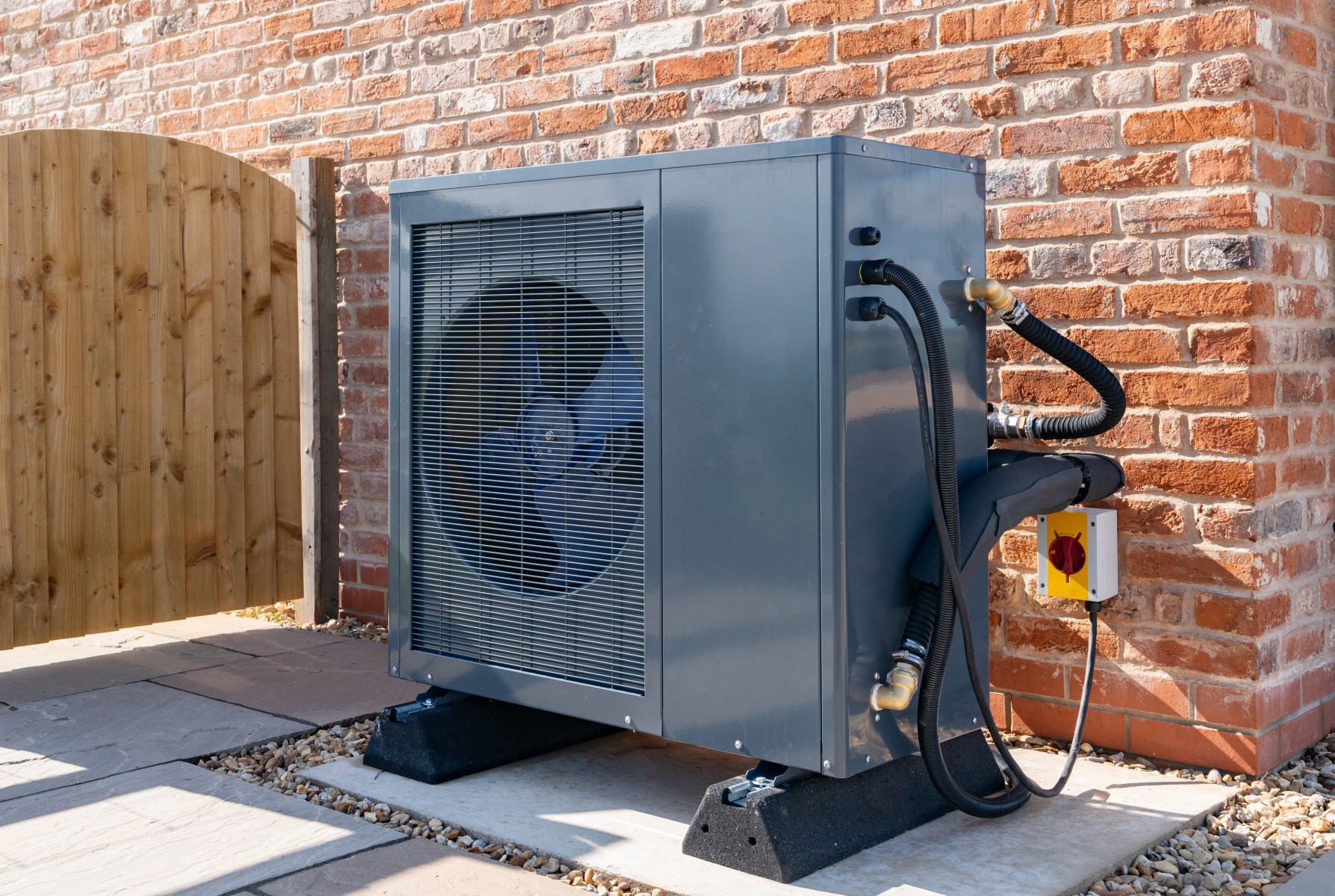
Heat pump installations have hit record levels in 2023, according to the Microgeneration Certification Service (MCS). 2024 is on course to be another record-breaking year.
The UK government has set a target of achieving 600,000 heat pump installations per year by 2028.
How do heat pumps work?
Heat pumps rely on a combination of electricity and another source of energy.
The latter depends on the type of heat pump.
Air source heat pumps – the most common type of heat pump – draw energy from the air.
Ground source heat pumps draw energy from the ground.
Water source heat pumps draw energy from water.
You get the picture.
Unlike a gas boiler, heat pumps don’t directly emit any carbon.
Moreover, heat pumps almost always work more efficiently than gas boilers. For the latter, energy customers would need to use 1kWh of energy to get about 0.8-0.9kWh of heat.
However, for 1kWh of electricity used by a heat pump, you can get anywhere from around 2.5-4kWh of heat, depending on the temperature outside.
In other words, heat pumps are almost always 250-400% efficient. Plus, there are zero carbon emissions.
A win win.
Heat networks
Another significant part of the UK’s heat decarbonisation strategy, according to the Department for Business, Energy & Industrial Strategy.
Heat networks are projected to meet around 17% of heat demand in homes, plus 24% of demand from industrial and public sector buildings.
What are heat networks?
As the name suggests, they include a network of insulated pipes to take heat from central sources, and distribute it among public and private buildings.
When operated in the right way, these networks can exploit lower-cost renewable heat, and tap into heat sources which would otherwise go to waste.
Case in point: the Southampton heat network
As early as 1986, the city of Southampton was using sustainable heat from a geothermal borehole.
Since then, the city has integrated combined heat and power (CHP) plants, absorption chillers (for cooling), and backup vapour compression machines.
Annually, the Southampton heat network provides:
- 40,000MWh of heat
- 26,000MWh of electricity
- 7,000MWh of chilled water
Moreover, the network helps save 12,000 tonnes of carbon dioxide.
Other ways of achieving heat decarbonisation
Solar thermal heating
Whereas solar PV panels convert solar energy into electricity, solar thermal panels convert into heat.

The energy can then be stored in a hot water cylinder for 1-2 days, and used depending on when you need to heat your home.
As with solar PV and battery storage, solar thermal gives you access to clean energy from the sun… for free.
Allowing you to cut your carbon emissions and energy bills simultaneously.
The downside?
You’ll need roof space for the panels. If you’ve already got or plan to get solar PV panels, space could get a bit tight.
Biomass boilers
With this kind of boiler, you can burn wood, plants, or other organic matter to heat your home.
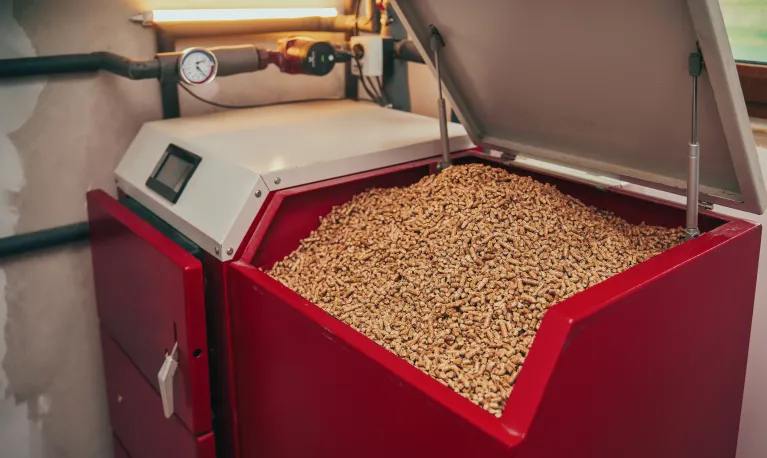
It can be cheap, especially if you’re burning wooden pellets, or just using household waste.
The downside?
Strictly speaking, biomass boilers are not carbon-free. They emit some carbon.
So, it’s low carbon heating, rather than no carbon heating.
Hydrogen?
This could be one for the future.
(Emphasis on ‘could’.)
The UK government acknowledges that “100% hydrogen for heating is not yet an established technology”.
The use of hydrogen for heating could be achieved largely by repurposing the existing gas heating network.
Hydrogen heating trials have already taken place in various parts of the UK. However, the government is still in the stage of ‘building the evidence base’.
In short, it may be a while before we see the widespread rolling out of hydrogen for heating.
Will heat pumps cause the grid to strain?
Heat pumps – specifically air source heat pumps – are set to be the mainstay of future zero carbon heating strategy.
As mentioned earlier, heat pumps need electricity to function.
In fact, along with electric vehicles, heat pumps could cause UK annual consumer electricity demand to rise by as much as 50% by 2035. That’s according to a report co-authored by the Centre for Net Zero.
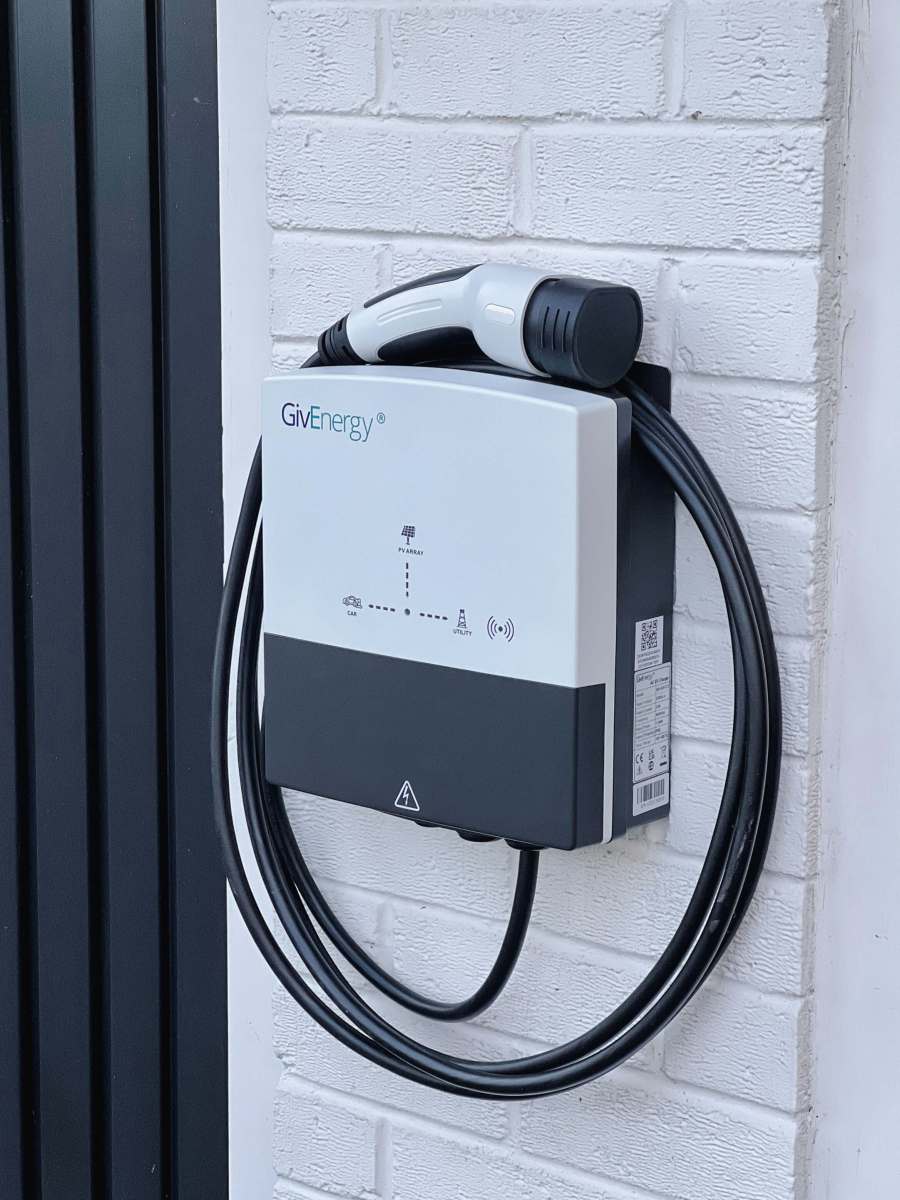

So, the question arises as to how heat pumps can be powered using electricity from clean sustainable sources.
After all, what happens if electricity demand from heat pumps outstrips supply of clean energy? Would grid operators be forced to burn fossil fuels just to meet demand?
Such a scenario would essentially cancel out the net zero benefits of heat pumps.
Dealing with renewable energy
As electricity demand rises, so too does the use of time variable renewables, notably solar and wind.
They’re time variable because they’re not always there when you want them to be. You can’t turn them on and off in the way you would burn fossil fuels to meet demand.
To help plan for this energy transition, the National Grid Electricity System Operator (ESO) modelled a typical winter day in January 2035.
The modelling assumed generation of solar and wind to be at around 40% of total capacity. However, it also accounted for use of gas and biomass power plants fitted with carbon capture technology. Moreover, it assumed there would be power imports from neighbouring countries.
Crucially, the modelling found that the effects of the electrification of heating could be offset by a smart grid.
This included:
- Charging batteries and electric vehicles from the grid overnight when demand is low
- Using the same tools to release energy back to the grid when demand is high
This means that although demand for electricity will go up, peak demand from the grid won’t necessarily be higher.
In short, the National Grid ESO’s modelling shows that while meeting electricity demand will more difficult than it has been in the past, it is possible.
So, will heat pumps cause the grid to strain?
Not necessarily.
Where battery storage can help
A heat pump can be a great way to keep your home warm sustainably.
However, if you’re just drawing a load of electricity from the grid, it may not end up being the net zero saviour you were hoping for.
Not to mention that you could end up with a higher than usual electricity bill.
The solution?
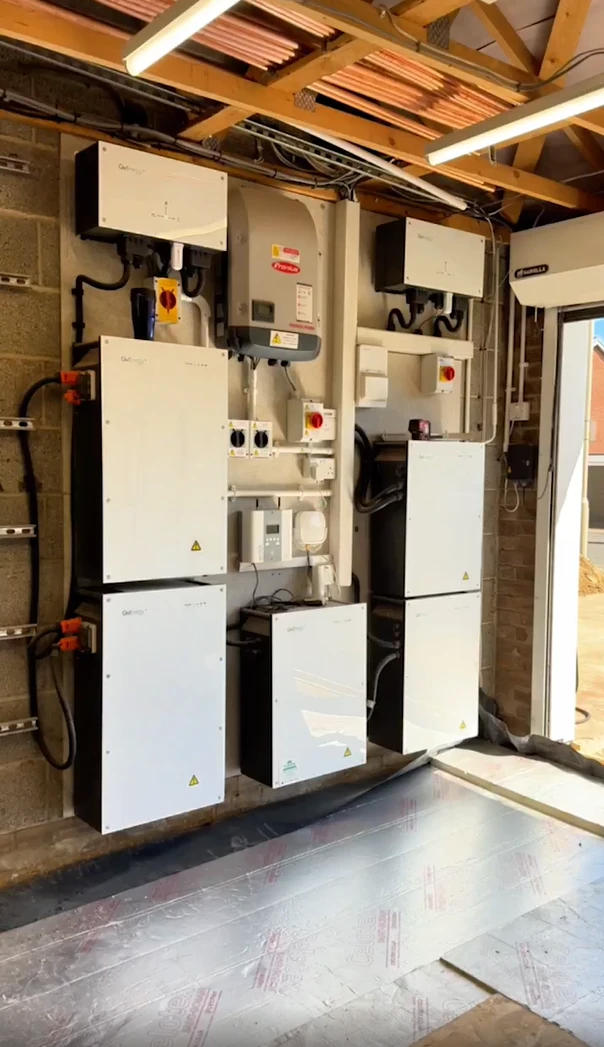

A home battery combined with a heat pump… and ideally also combined with renewable technology.
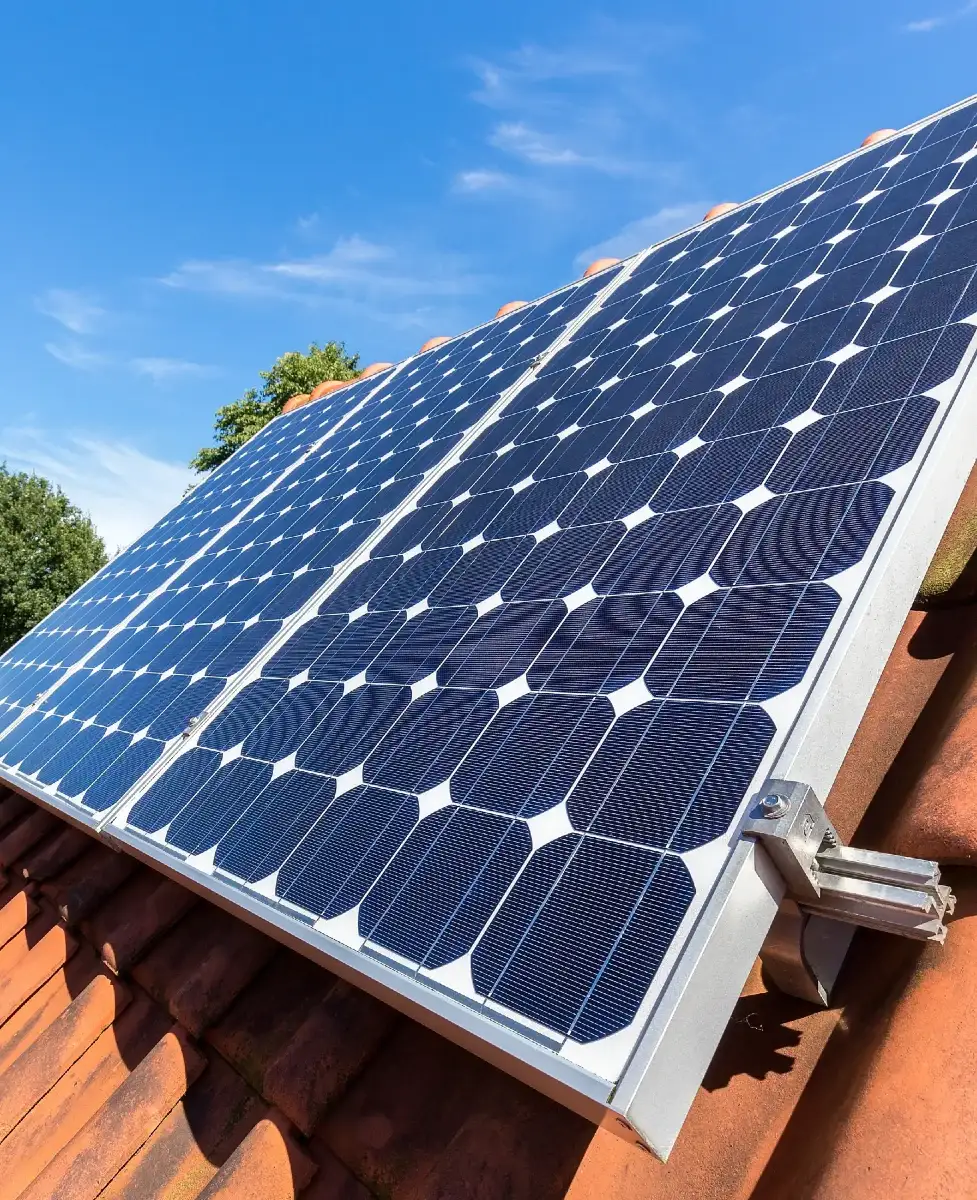
Let’s say you have solar PV, a home battery, and a heat pump.
Your solar panels generate clean energy from the sun.
You home battery stores it.
Then, when you need to heat your home, you can discharge the battery to power your heat pump.
Researchers in Germany have already shown how this can be done. They found that solar PV and home battery storage can improve heat pump efficiency, as well as reduce imports from the grid.
If you think a home battery plus heat pump could be for you, bear in mind the following:
- You’ll need to size your home battery to ensure it’s big enough to meet demand from your heat pump.
- Heat pump usage will likely vary by season. By extension, this means the amount of energy drawn from your battery will also vary throughout the year.
- You can get a good idea of which home battery is right for you. However, even with thorough research, it’s unlikely you’ll be able to perfectly size your battery. Therefore, there will likely be days when drawing at least a little bit of electricity from the grid is necessary.
Ready to start your journey?
You can play your part in the UK’s path towards net zero.
Heat decarbonisation is integral to achieving net zero carbon emissions by 2050.
However, this won’t be achieved without energy storage.
Your decarbonised heat journey should start with a home battery storage system.
Ensuring you can power a heat pump sustainably without incurring a whopping electricity bill.
Click here to start your journey.