Officially launched in January 2023, Energy House 2.0 is a first-of-its-kind project located at the University of Salford.
But what exactly does the project aim to achieve?
Why do we need it?

And what does it have to do with battery storage?
Here, we answer these questions and more.
So, what is Energy House 2.0?
Energy House 2.0 is a facility designed to test energy efficiency and sustainability in housing.
The facility is made up of two chambers, each large enough to fit 24 double decker buses with room to spare. Within the chambers, there are two detached prototype homes.


The chambers can simulate temperatures of between -20 and 40 degrees Centigrade, as well as conditions including:
- Wind
- Rain
- Snow
- Ice
- Solar gain (the increase in temperature due to solar radiation)
Energy House 2.0 can replicate climate in 95% of the world.
Prototype no. 1 – The Future Home
Developed in partnership with Bellway Homes, The Future Home is testing the UK’s first roof-mounted air source heat pump (ASHP).
The prototype is also testing:
- Underfloor, infrared, and ambient heating
- Mechanical ventilation
- Double versus triple glazing
- Enhanced insulation
- A prototype shower which recovers heat from waste water.
Prototype no. 2 – eHome2
The second prototype was developed in partnership between Barratt Developments and construction solutions manufacturer, Saint-Gobain.
According to the University of Salford, eHome2 is piloting the use of next generation heating and ventilation technologies. It’s also experimenting with smart technology to enable occupants to change the temperature and turn on the shower at the click of a button.
Furthermore, eHome2 includes weberwall brick – ‘a high-performing timber frame system from Scotframe and Pasquill’s Posi-JoistTM floor cassettes that allow for the integration of Mecahnical Ventilation & Heat Recovery systems (MVHR)’.
Why do we need Energy House 2.0?
The UK is legally obliged to achieve net zero carbon emissions by 2050.
In 2022, residential buildings accounted for around 20% of greenhouse gases in the UK. Net zero won’t be achievable if the housing sector doesn’t decarbonise.
This requires heat decarbonisation through the installation of technologies such as heat pumps.
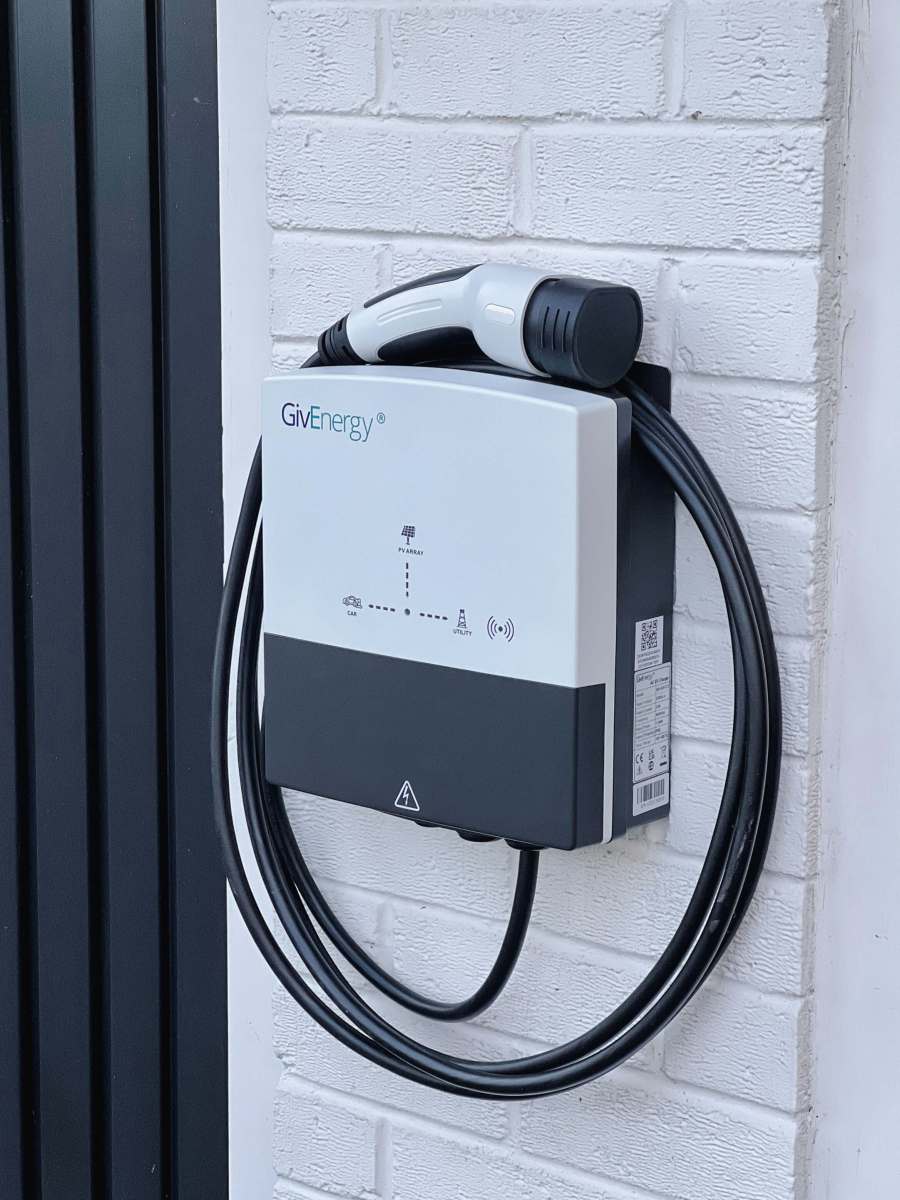
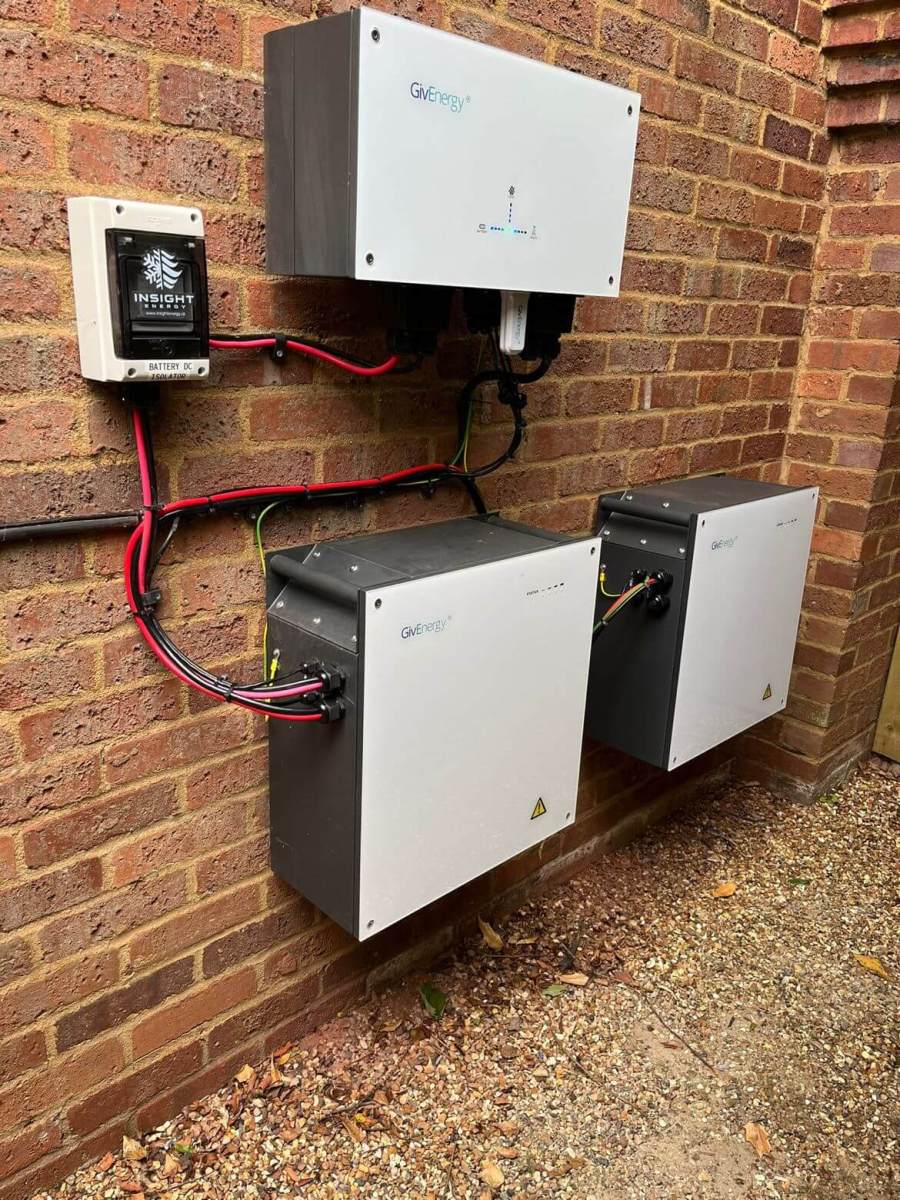
This also requires the decarbonisation of electricity through the installation of solar PV panels, battery storage systems, EV chargers, etc.

The problem?
Testing a lot of this (still relatively new) green technology in various conditions in the real-world requires waiting for said conditions to occur.
Want to know how a roof-mounted heat pump works in winter? You need to wait for winter.
Want to get a clear picture of solar gain during summer? You need to wait for summer.
Even then, conditions might not be exactly as researchers want them.
Enter the testing chambers…
With Energy House 2.0, researchers don’t need to wait around from season-to-season and collect data over weeks, months, and even years.
Instead, they can just recreate the conditions in one of the chambers, then gather the results.
What do the first sets of results show?
Results released in January 2024 concentrate on the fabric used, including in the walls, roofs, and floors.
The results from both homes indicate a difference of around 8% between anticipated performance when designed and the actual performance in Energy House 2.0.
Materials used in houses must meet conditions laid out in the Future Homes Standard (FHS) – set to be implemented in 2025. The FHS applies to all new builds with the aim of reducing carbon emissions by 80% per home compared to those built under current standards.
Measures include enhanced insulation, as well as the use of low- or zero-carbon heating, such as heat pumps.
According to the University of Salford, the initial results from Energy House 2.0 show that the FHS ‘can be delivered at scale by 2025’.
That assumes the supply chain of components, as well as the necessary skills and training can keep pace.
What does any of this have to do with battery storage?
Decarbonising housing means going beyond the provisions around insulation and heating, as set out in the FHS.
The initial results from Energy House 2.0 make no mention of battery storage. In fact, there’s no mention of the mere presence of battery storage technology in the Energy House 2.0 chambers.
However, the University of Salford is engaged in a separate project with Barratt Developments.
The Salford Smart Home includes:
- An ASHP
- EV charging points
- Solar PV panels
- A battery storage system
… in addition to measures outlined in the FHS.
The home includes sensors from which data will be fed to the Energy House Labs for research.
Moreover, when it comes to data from within Energy House 2.0 itself, some of it could be used to inform the application of battery storage.
Take heat pumps as an example.
Heat pumps help reduce carbon emissions because unlike gas boilers, they can heat your home without directly emitting carbon.
However, heat pumps need electricity to function. If that electricity isn’t from a clean sustainable source, then this kind of defeats a heat pump’s whole purpose.
You’ll just be drawing electricity from the grid, potentially forcing grid operators to burn fossil fuels just to meet demand.
Not to mention your electricity bills might be through the roof.
Running a heat pump on clean sustainable energy stored in a home battery helps to offset this problem. Let’s say you combine battery storage, solar PV, and an ASHP. Fill your battery up with clean solar, then discharge, as and when required to run your heat pump.
Heat pump-related results from Energy House 2.0 could help inform questions such as how to size a battery storage system to deal with the energy usage of a heat pump in certain conditions.
Beyond the laboratory
Experiments aside, it might be time to make your own home energy independent with real world results!
Installing a home battery storage system can cut:
- Your annual energy bills by up to 85%
- Your annual carbon emissions by up to 300kg
Click here to start your journey today.
Further reading
- Eco-friendly new builds: the call for cross-industry collaboration
- The role of battery storage in the UK’s net zero mission
- Powering eco-friendly new build houses with clean energy
- Home renewables: why battery storage should be at the START of your journey
- Sustainable homes: GivEnergy Group CEO, Jason Howlett on why battery storage is key
- What is heat decarbonisation in the UK?