A time of use tariff is great for reducing:
- Electricity bills
- Strain on the electricity grid
But what exactly is a time of use tariff?
In between Economy 7, dynamic tariffs, smart meters and the rest, the whole thing can seem a bit confusing.

Here, we explain:
- The different types of time of use tariffs
- Why we need them
- How we can break down barriers to time of use tariffs (including through battery storage)
So, what is a time of use tariff?
On a standard electricity tariff, customers pay the same for electricity, regardless of the time of day.
As implied by the name, a time of use tariff means electricity is priced differently, depending on the time of day.
One particular time of use tariff which has been around for 40+ years in the UK?
Economy 7, giving customers a total of… seven hours of electricity at cheaper rates.
More recently, Economy 10 has been a thing, giving customers a total of… wait for it… 10 hours of electricity at cheaper rates.
Here’s what a typical Economy 10 pricing structure might look like:
Afternoon off-peak hours
3 hours (1-4pm)
Evening off-peak hours
4 hours (8pm-midnight)
Overnight off-peak hours
3 hours (4-7am)
On the other hand, Economy 7 would usually just include seven hours of cheaper electricity overnight.
For instance, between the hours of midnight-7am.
Static vs dynamic: what’s the difference?
Static time of use tariffs include fixed hours during which electricity is cheaper. This includes Economy 7 and Economy 10.
However, in recent years, dynamic time of use tariffs have come to the fore.
Under this type of tariff, the price of electricity per unit can vary day-to-day.
As well as time of day and related electricity demand, dynamic tariffs also account for other factors. This includes levels of renewable generation during a particular time.
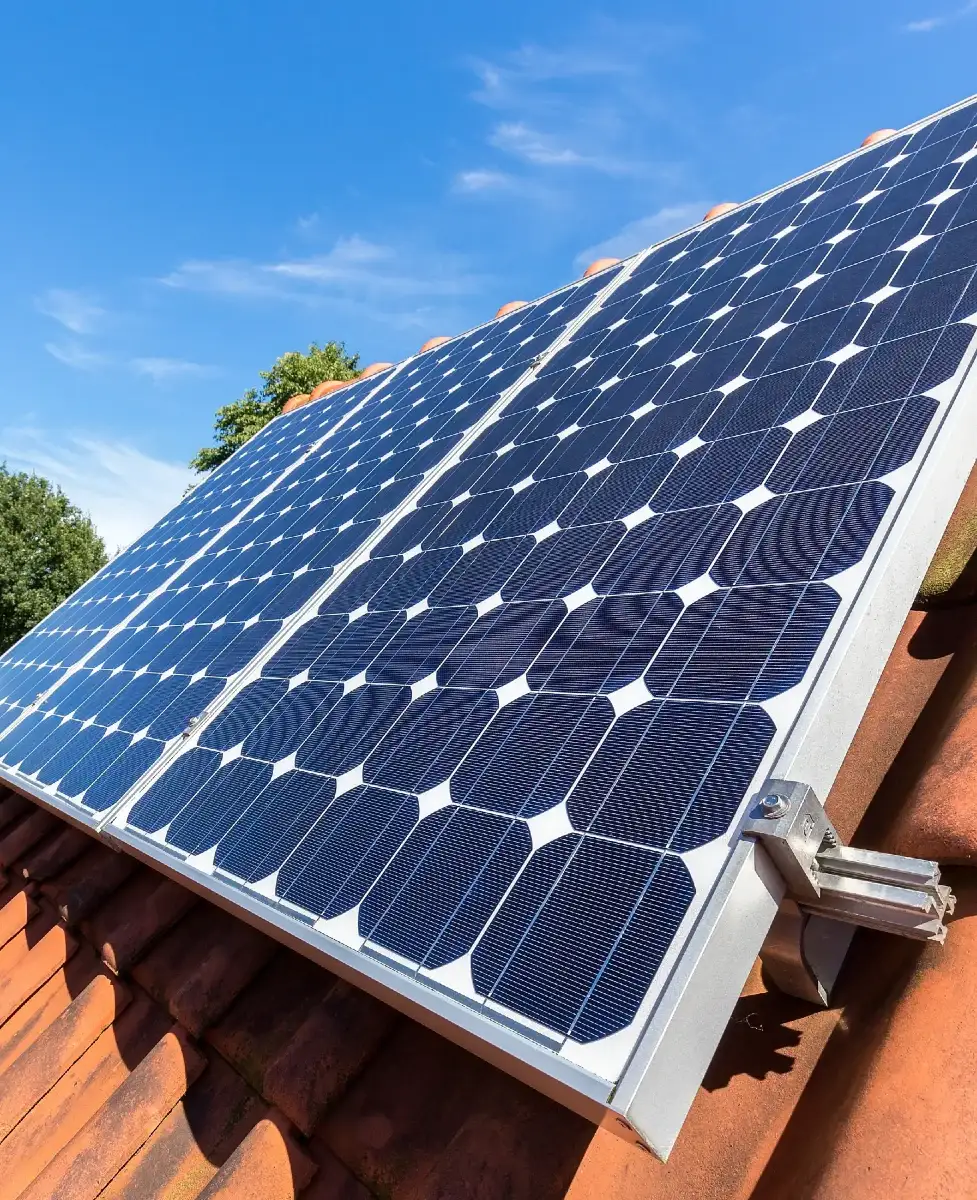
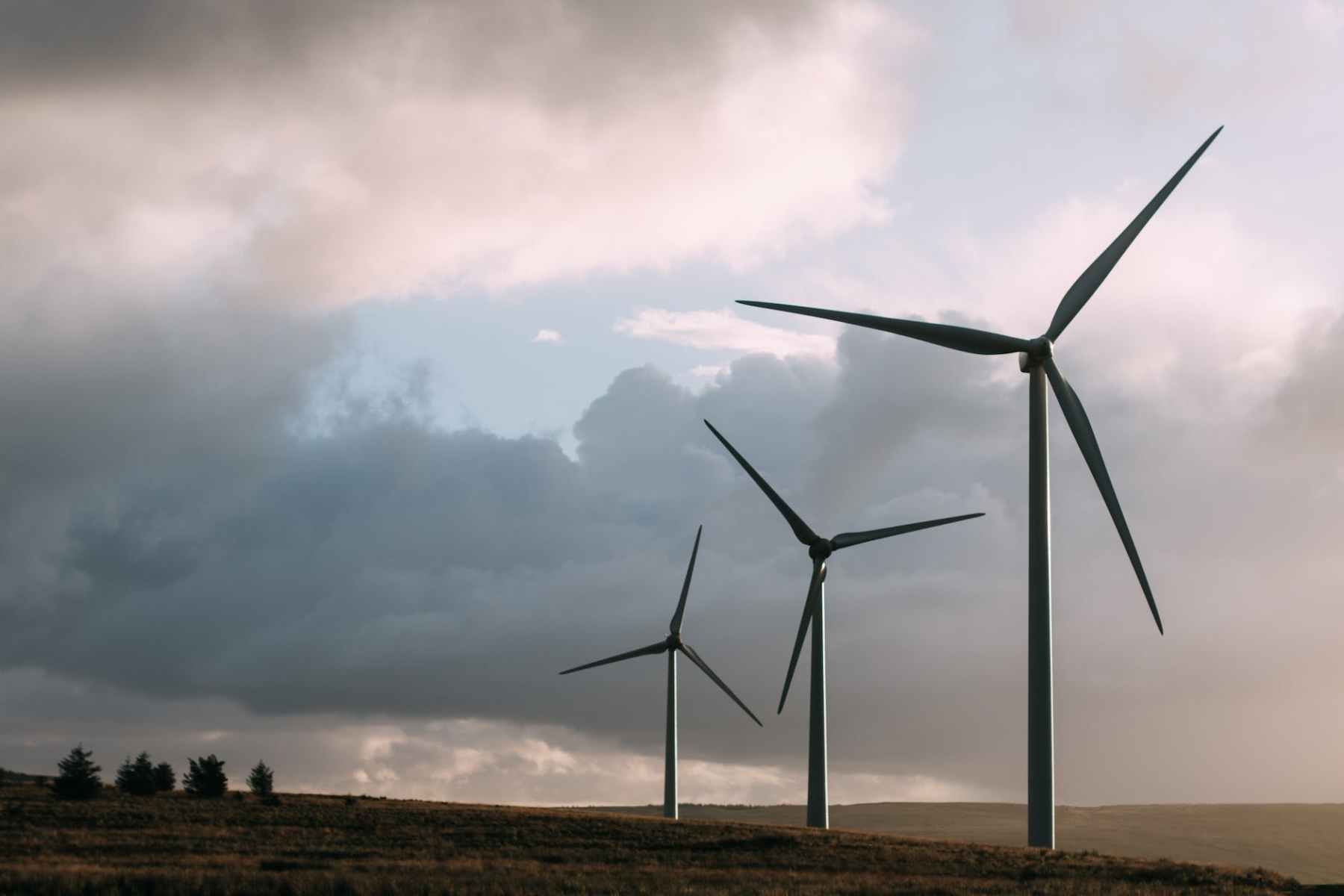
So, if there’s a lot of wind and solar being generated, electricity prices might be slightly cheaper.
Dynamic tariffs may also include negative pricing under which customers are paid to use electricity.
Why do we need time of use tariffs?
Take a look at average UK household electricity demand during the course of a day.

You’ll notice that demand spikes during the morning between around 6-8am.
During these hours, most customers are going through their electricity-intensive morning routines – sticking the kettle on, etc.
Demand then stabilises somewhat during the middle of the day, before spiking higher between around 4-8pm.
During these hours, most customers are… you guessed… going through their electricity-intensive evening routines.
They’re cooking dinner, watching TV, keeping the lights on, etc.
Overnight, demand drops to its lowest point because… well… everyone’s in bed (duh?!)
Dealing with high electricity demand used to be easy
Meeting hours of high electricity demand used to be straightforward.
When demand goes up, just burn more fossil fuels.

However, the UK is now moving towards clean renewable sources of energy, many of which are time dependent.
These include solar and wind. They’re time dependent because you can’t control when the sun shines or the wind blows.
That means grid operators must be smarter about balancing electricity supply and demand.
Fortunately, time of use tariffs can help.
Here’s how…
Reducing strain on the grid
In so far as possible, grid operators need to encourage customers to shift electricity usage from peak to off-peak hours.
This means that during times of high demand, there’s less chance of having to burn dirty fossil fuels just to keep the lights on.
With time of use tariffs, energy providers can incentivise customers to make this shift.
That being said, time of use tariffs are not a silver bullet.
Balancing electricity supply and demand also requires:
The problem with time of use tariffs
According to the Department for Energy Security and Net Zero (DESNZ), 71% of UK households surveyed were on a standard tariff, as of summer 2022.
Results of the same survey showed just 12% were on a time of use tariff, while 17% didn’t know what type of tariff they were on.
Around 51% said they were willing to switch to a time of use tariff. However, many remained unconvinced that switching would bring any benefits.
Around 32% said they didn’t think it would save money, while 34% said they didn’t want to think about when to use electricity.
In short, switching the bulk of electricity usage to off-peak hours is neither feasible nor desirable for many electricity customers.
Most of us simply can’t be expected to do our laundry, watch TV, cook our dinner, etc. at 3am.
The solution
Home battery storage can help customers unlock the benefits of time of use tariffs.
And the best part?
You don’t need to think about when you use electricity.
Here’s how it works.
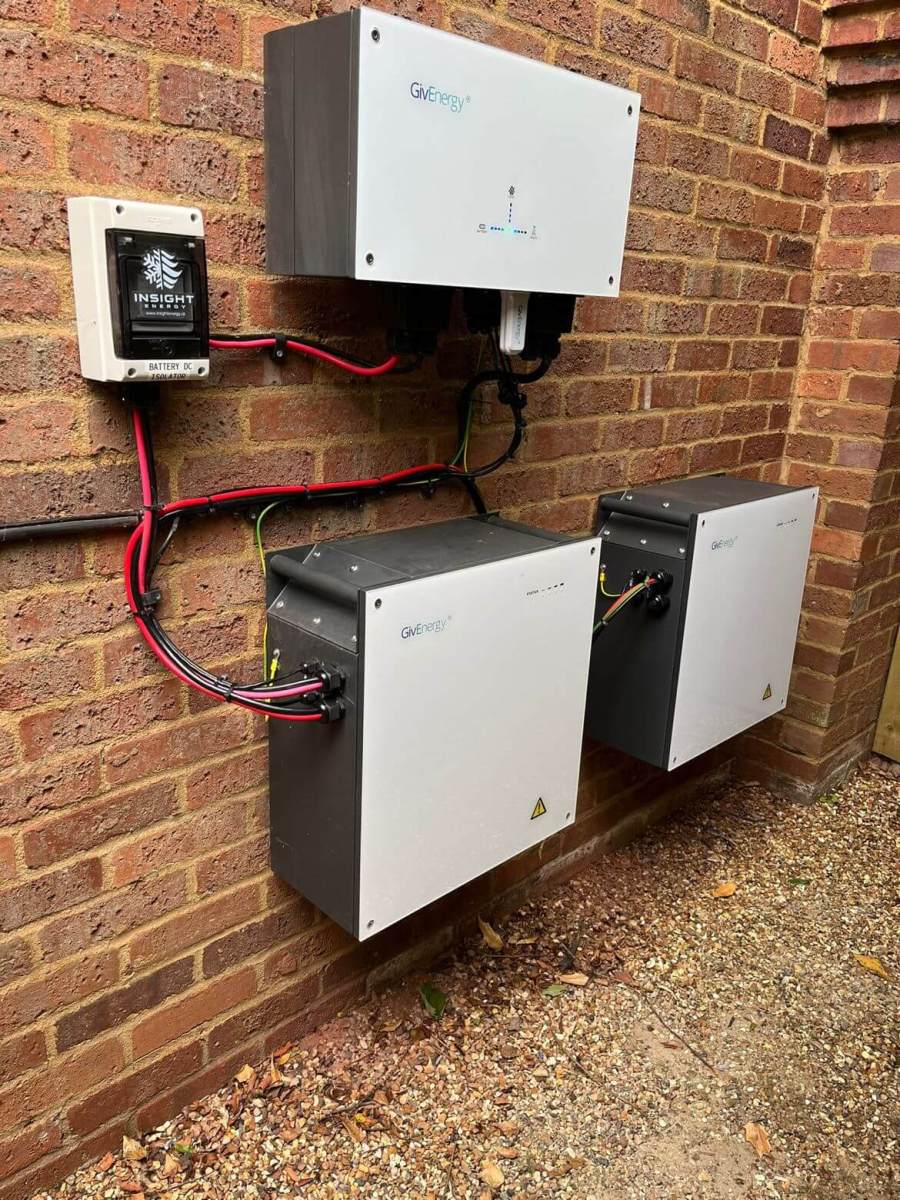
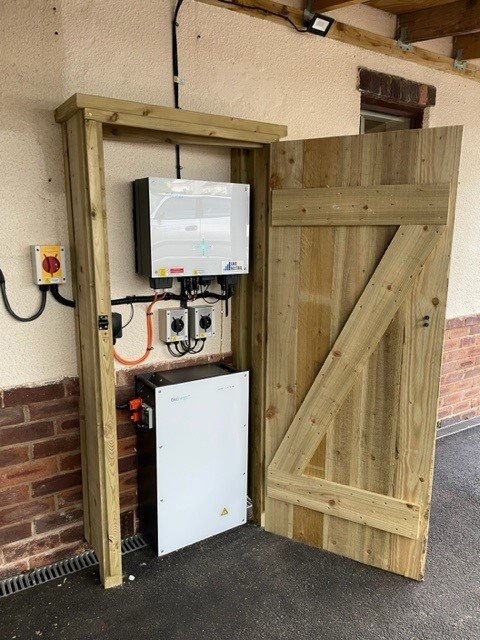

A customer charges their home battery storage system during off-peak hours when electricity is cheaper. Then, during peak hours when electricity is more expensive, the customer discharges to power their home.
In effect, the customer stores cheaper energy to avoid more expensive peak rates.
Moreover, contrary to popular myth, you don’t need to install solar panels to achieve this.
Standalone battery storage without solar will suffice.
Time of use tariffs also need…
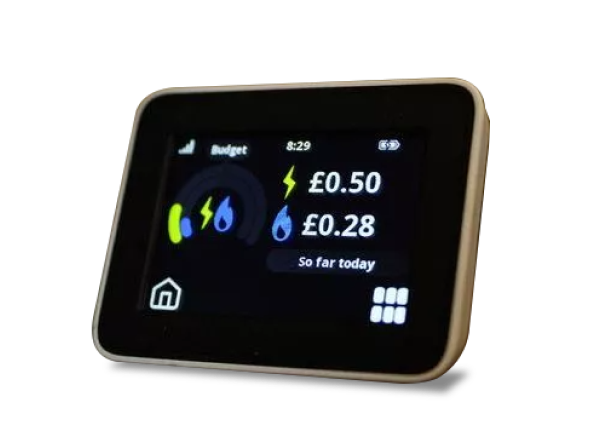
… smart meters.
You can’t be on a time of use tariff without one.
As of January 2022, all electricity suppliers have binding annual installation targets for smart meter roll outs, as noted by energy regulator, Ofgem.
Suppliers are expected to roll out smart meters to remaining non-smart customers by the end of 2025.
TL;DR
- Time of use tariffs offer customers electricity priced differently according to the time of day.
- Dynamic time of use tariffs also account for factors like renewable energy generation.
- Time of use tariffs can incentivise customers to shift electricity usage outside of peak hours, helping to reduce strain on the grid.
- Standalone battery storage coupled with smart meters can help unlock the benefits of time of use tariffs.
If you want to take advantage of time of use tariffs…
… standalone battery storage could be for you.
Or, you could generate and store your own clean energy via solar and battery storage.
Click here to start your journey and find out what’s right for you.