When it comes to home tech, we’re never short of new breakthrough products.
Wind the clock back a few years and home storage batteries would have been the preserve of energy and tech nerds.
No more.
Home storage batteries are on the rise in the UK and elsewhere. In fact, they’re breaking through into the mainstream.
Why?
More and more energy customers are realising the benefits that home storage batteries can bring, including:
- Cutting energy bills
- Cutting carbon emissions
… and more.

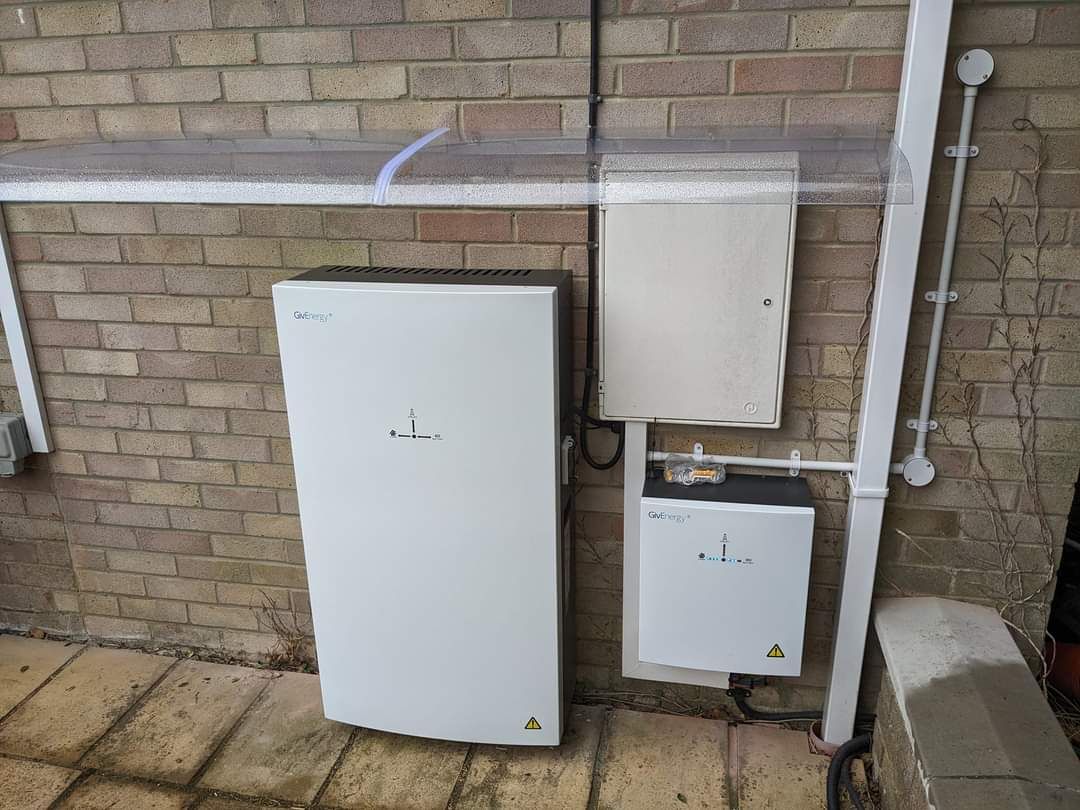

What are home storage batteries?
Most of us are already familiar with the role of home renewables, especially solar.
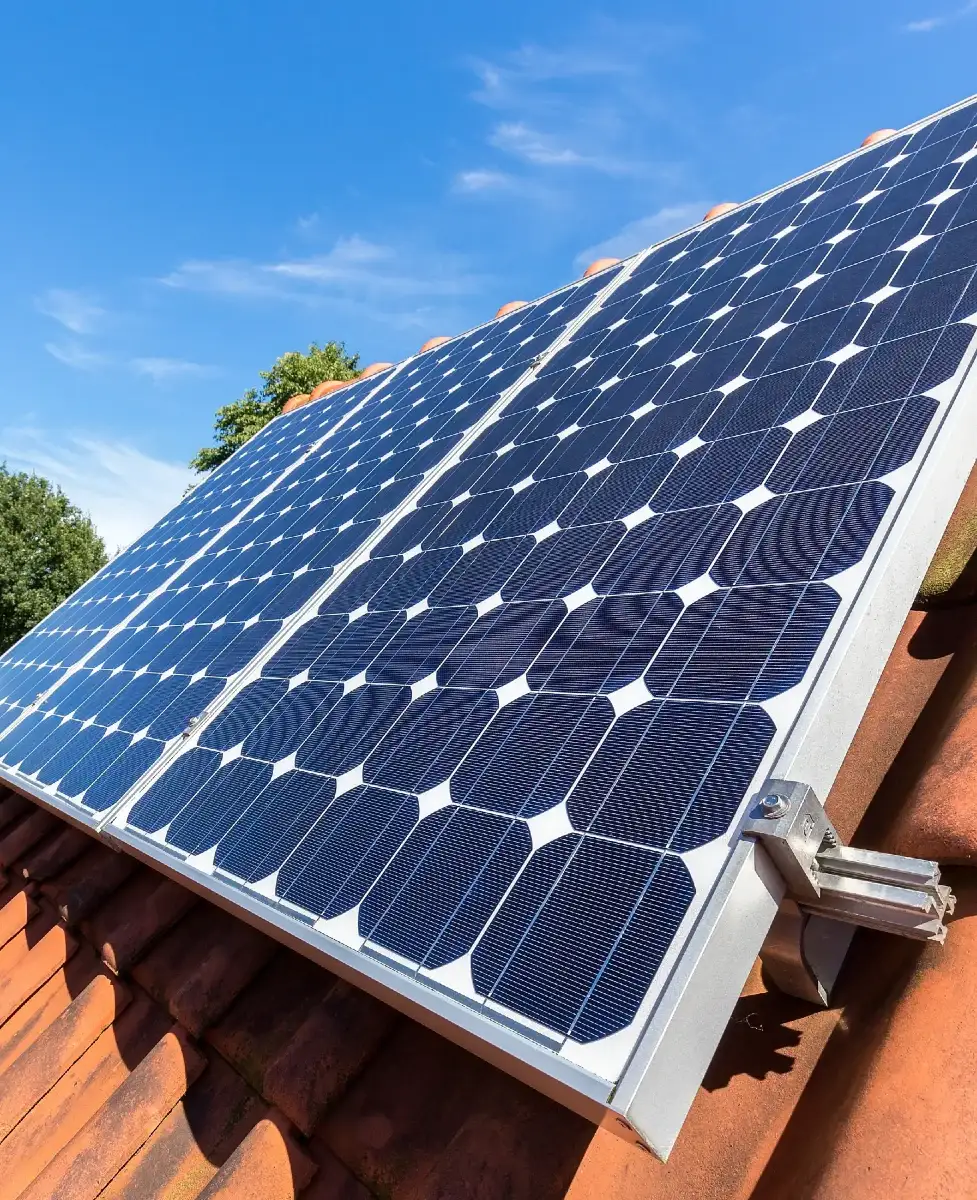
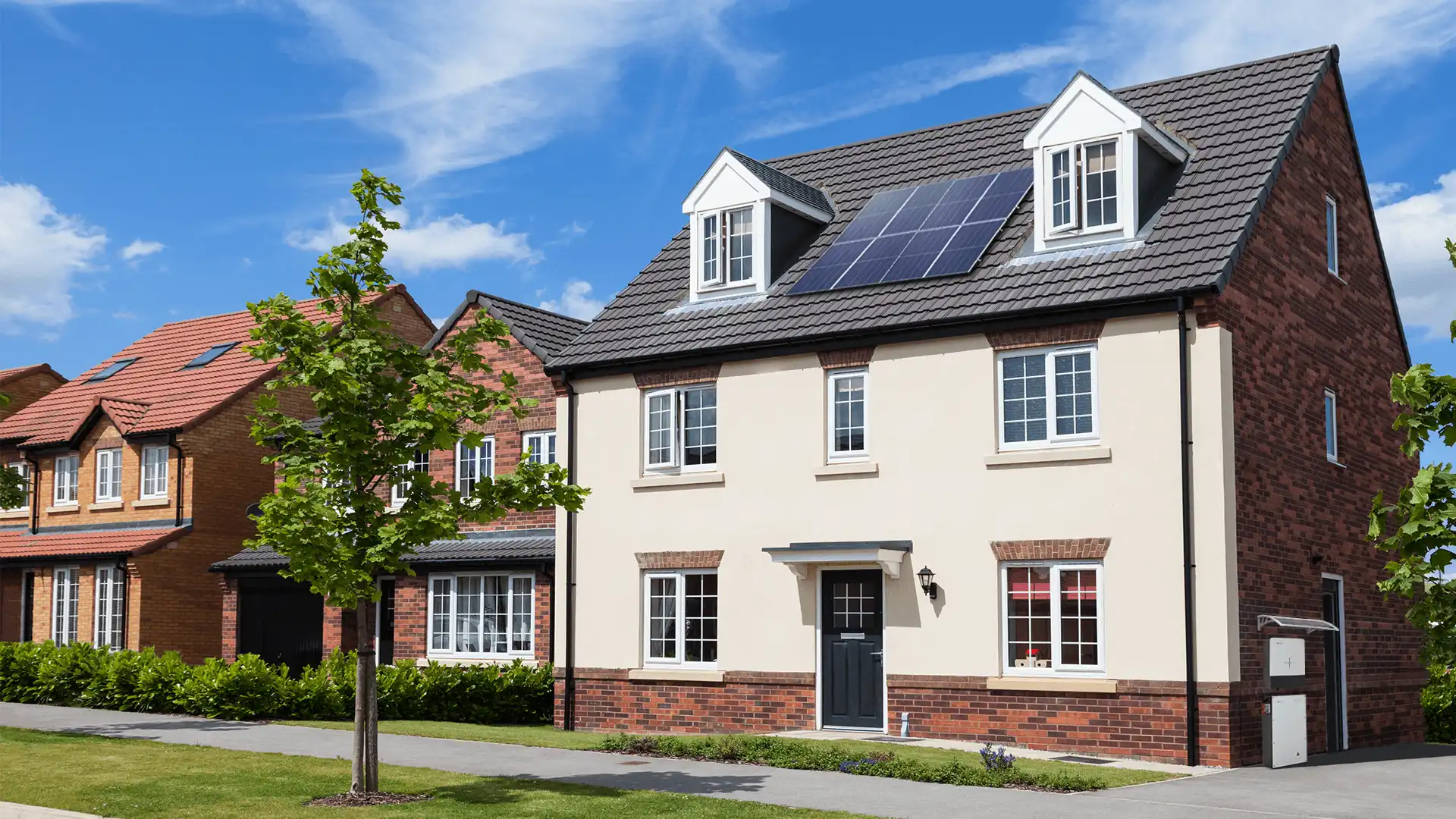
You install rooftop solar panels. You generate free and clean energy from the sun.
What sometimes gets lost among the layperson is that solar panels can generate energy but cannot store it.
If your electricity use happens to coincide with times when your panels are generating loads of solar, then that’s great.
Realistically however, this is never going to be the case.
In fact, peak electricity usage tends to be in the morning, late afternoon, and early evenings – times when solar generation can be low or non-existent.
That’s where home storage batteries come in – allowing you to store energy when generation is high, then discharge to power your home, as and when required.
Even without renewable technology…
… home storage batteries can still play a crucial role in storing cheaper and cleaner energy.
For instance, a standalone battery storage system without solar can allow you to store energy from the grid when it’s cheaper – such as overnight – then use that energy to power your home, as and when required.
Shifting energy in this way can be good for cutting carbon emissions, as well as cutting energy bills.
For instance, a home storage battery coupled with a smart time-of-use tariff means you can store renewable energy for cheaper or at negative prices – meaning you are paid to draw energy from the grid.
So, what are home storage batteries?
Home storage batteries are far from just a nice bit of fancy home tech.
Home batteries are a means through which customers can practically access cheaper and cleaner energy.
In fact, without anywhere to store energy, using clean energy effectively is virtually impossible.
The rise of home storage batteries in numbers
5,000
That’s roughly how many monthly installations there are of GivEnergy kit.


That’s also the same number quoted by the Microgeneration Certification Service (MCS) – only in this case, it refers to annual installations of MCS-approved batteries in 2023.
2,200
That’s how many MCS-certified installations of battery storage units have been carried out in 2024, as of April.
0%
That’s how much VAT you now pay on all home battery installations in the UK.
Previously, this only applied to batteries installed alongside solar panels.
As of February 2024, this applies to ALL installations of home storage batteries, including:
- Batteries fitted alongside solar PV
- Standalone battery storage
- Retrofit storage batteries – fitted to an existing solar PV array
3 reasons storage batteries are on the rise
1. Savings on energy bills
Data from GivEnergy customers suggests a home battery storage system can result in annual savings on bills of around 85%.
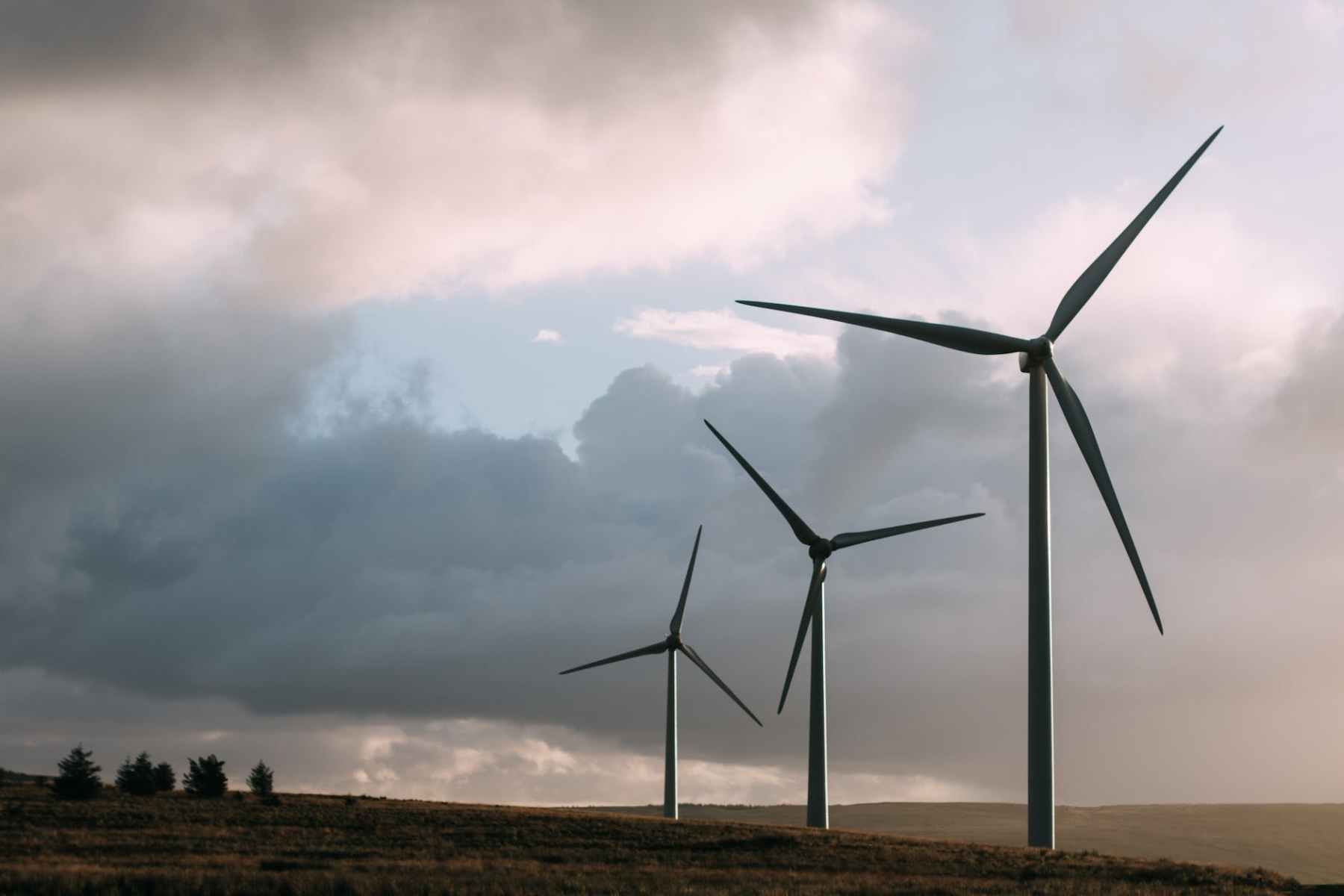
This could be by storing home renewables from solar, a wind turbine for home, or even a home hydro turbine generator.
You generate clean energy for free, you store it in your battery, then discharge it to power your home, as and when required.
You can also opt for a standalone battery storage system.
You charge from the grid when energy is cheaper and greener, then discharge to power your home, as and when required.
Using this stored energy during peak hours can help you avoid peak electricity charges.
2. Cutting carbon emissions
Data from GivEnergy customers suggests a home battery storage system can cut annual carbon emissions by around 300kg per household.
Using energy generated from renewables?
That means you’re drawing less from the grid, and therefore, potentially helping grid operators avoid resorting to the burning of fossil fuels.
Similarly with standalone battery storage…
… you draw more energy from the grid during times of low demand, then draw little to no energy during times of high demand.
In this case, less strain on the grid also means the chances of grid operators burning fossil fuels to keep up with demand is reduced.
3. Scalability
Home storage batteries come in all shapes and sizes.
Take the GivEnergy range as an example.
On the one end, you’ve got the nifty little Giv-Bat 2.6 – good for fitting into a tight little apartment space.
One other end, you’ve got the larger All in One – suitable for powering larger properties which use a bit more energy.
When choosing the right home battery storage system for you, make sure to take into account multiple factors. These can include:
- Average annual electricity usage
- Solar capacity (if applicable)
- Seasonal variations in electricity usage
- Payback period – your return on investment factoring in upfront cost, savings on bills, etc.
The good news is that if your energy needs change, you can retrofit additional battery capacity.
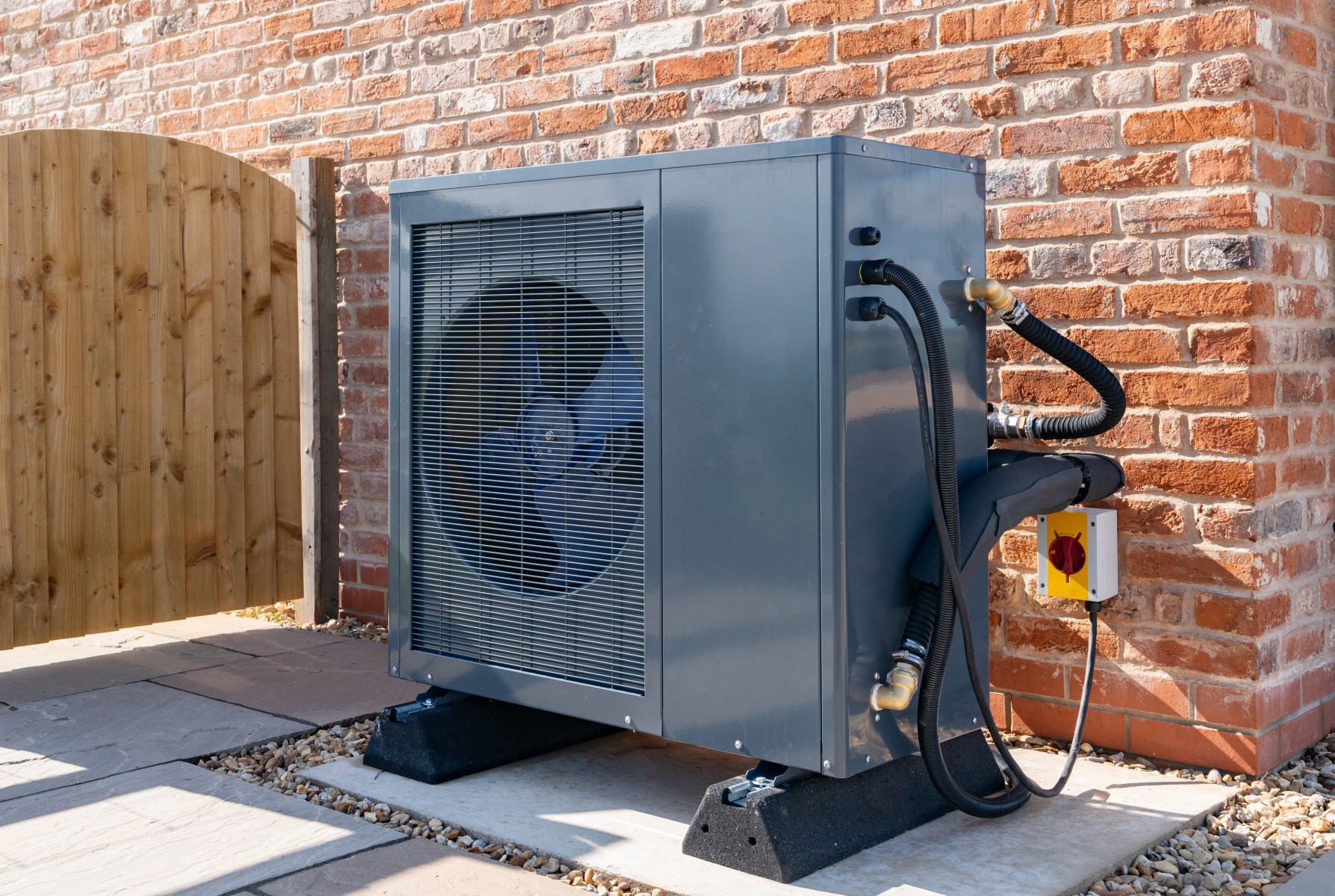
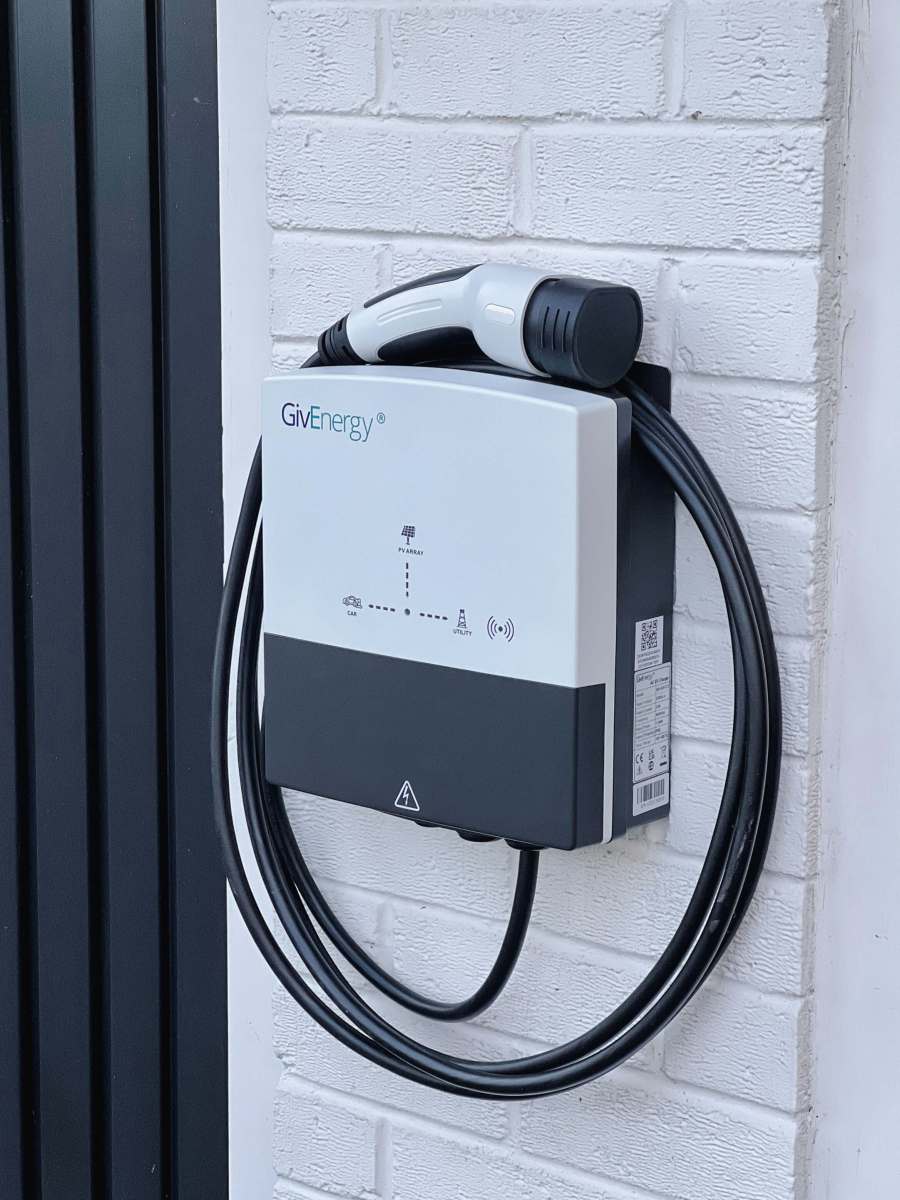
For instance, let’s say you install an air source heat pump or start charging an EV at home. You’ll be using more electricity, which means you may need extra capacity.
Could more be done to increase uptake of this crucial home tech?
The abolition of VAT on all home battery installations in the UK is a welcome move.
But we believe the government could go further to increase the uptake of what is, after all, more than just fancy home tech.
Mandating home battery storage installations as part of the Future Homes Standard would help ‘future-proof’ new builds.
Introducing a smart building rating, as proposed by the Centre for Net Zero, would provide a standard measure of a building’s smartness i.e. whether the building has a home storage battery, solar panels, a heat pump, etc.
In short, including home batteries as part of a wider strategy would help the UK deliver on its legally binding net zero targets. Moreover, such a strategy could also help tackle energy poverty.
Start your journey today
If you want a piece of home tech installed which could cut both your energy bills and carbon emissions, click here to find out what’s right for you.
Further reading
- 5 reasons home energy storage will be the next big thing
- Eco-friendly new builds: the call for cross-industry collaboration
- What is an off grid home? 4 questions answered
- Powering eco-friendly new build houses with clean energy
- ‘Which GivEnergy battery is right for me?’ 4 questions you MUST consider
- Standalone battery storage without solar: the unsung hero of energy freedom?
- Home renewables: why battery storage should be at the START of your journey
- Sustainable homes: GivEnergy Group CEO, Jason Howlett on why battery storage is key
- ‘Why would I charge my battery from the grid?’