For all the leaps forward the UK has made in terms of renewables, sustainable development, and energy efficiency, it remains a fact that supply to our homes pre-dominantly uses pre-WWII electrical standards. The majority of UK homes run off a single-phase supply with one fuse.
In previous decades, this single-phase supply was adequate. Today, however, our household electricity needs grow year-on-year. Modern homes are running one or more TVs, dishwashers, game consoles, electric ovens, tumble dryers – to list but a few. This isn’t to mention high-consumption households with electric vehicles, or hot tubs, or air source heat pumps.
This shift in the power landscape is seeing surging demand for three-phase connections. Here, we explore the growing call for three-phase electricity supply.
The push towards green living
Coming into force in 2025, the Future Homes Standard is a government initiative requiring new homes to reduce carbon emissions by 75%. The FHS primarily focuses on three key areas:
- Improving heating
- Improving hot water systems
- Reducing heat waste
Notably, there is no thought given to electricity supply. (Or, for that matter, to energy storage.)
This begs the question: if we are serious about delivering our energy efficiency targets, is it not important to ensure homes have future-proofed electrical connections?
Installing single-phase supplies in new homes has been the norm since before WWII – back when lights were the main household load. Now, our homes do more. They must provide us with the energy to run much heavier loads, while also meeting future demands. For example, powering our cars, or providing flexibility services to others.
The time, then, is ripe for an electricity supply upgrade.
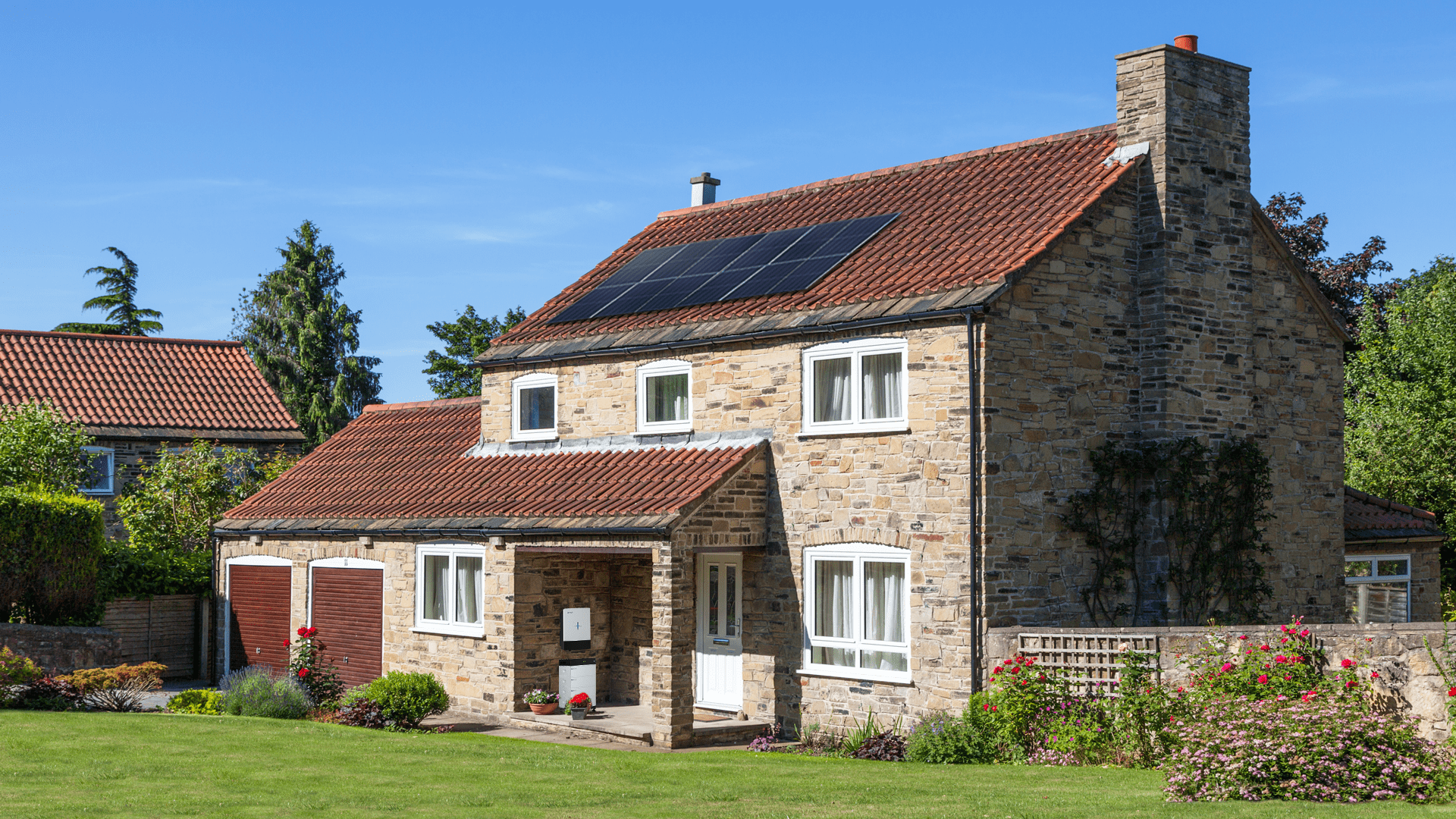
Changing home power needs
A typical single-phase 240V supply in a standard home allows circa 14kW of power to be supplied at one time. This will generally cover you for your standard devices and utilities.
Now, let’s say you want to make your home more energy efficient and cheaper to run. So, you add some electric underfloor heating. You add an EV charging point. You invest in a large solar array, with a need to distribute generated power evenly. How about adding an air source heat pump? Some home batteries to charge at a cheap green overnight rate?
Soon, that 14kW of power won’t be enough.
Let’s take some single-phase loads:
- Electric vehicle on single phase: 7.2kW
- Heat pump: 7.5kW
- Shower: 10kW
- Battery system charging at full power: 6kW
- Hot tub: 3-7.5kW
Now, imagine 2 of these loads on at the same time, plus your normal household demand. In short, you need a three-phase supply – capable of supplying 100amps across each of the three phases.


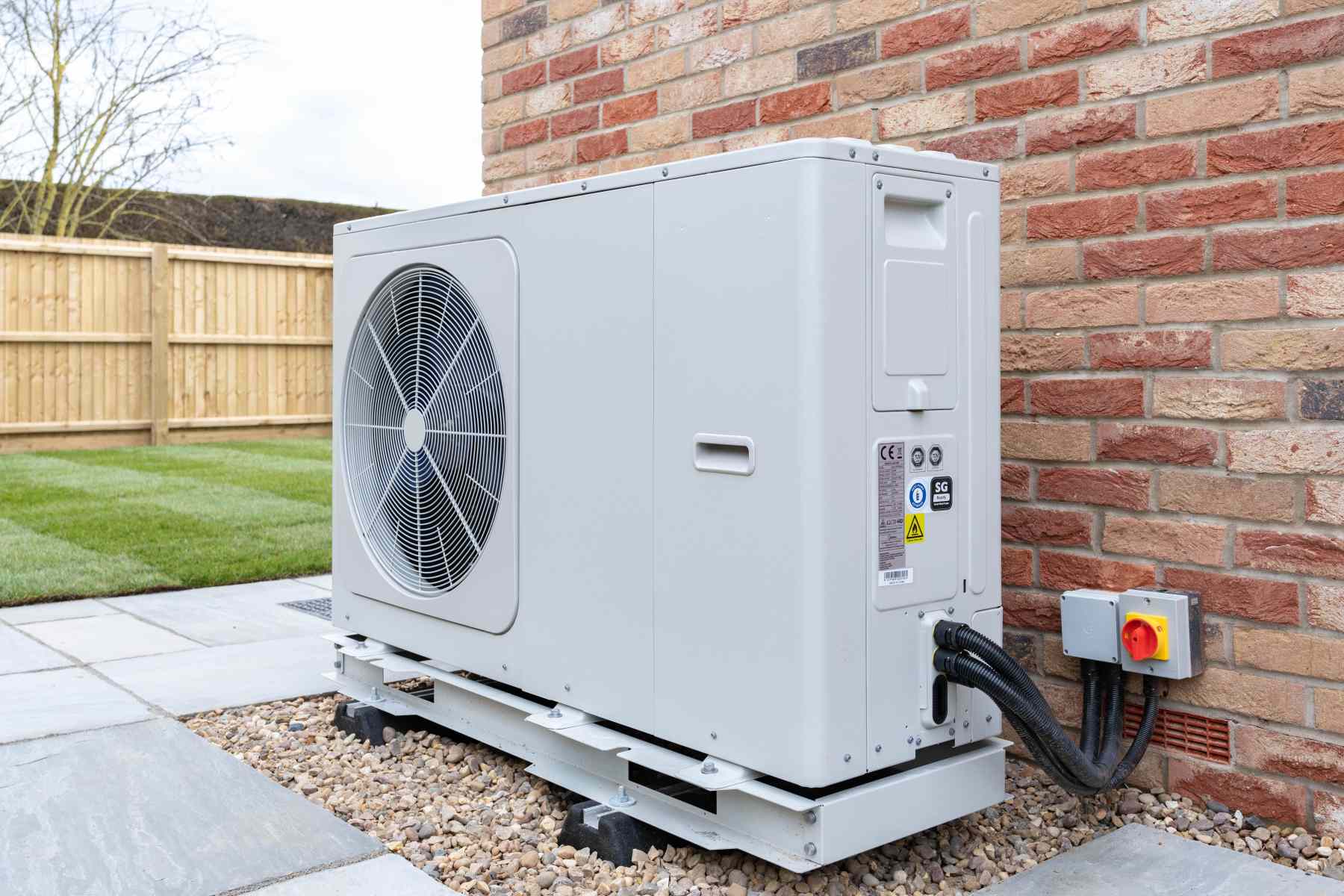
A fast-track to energy efficiency
A three-phase supply provides higher efficiency and power capacity. In turn, then, it allows homes to scale up their solar PV and battery storage, plus enjoy faster home EV charging.
And from a grid perspective, three-phase offers all-new fluidity. It gives customers and network operators the flexibility to match demand and generation efficiently via smart meter tariffs.
We’re seeing a growing appetite for energy independence amongst billpayers – utilising the smart new technologies available to them. At the same time, the government is keen to fast-track the UK’s low-carbon transition.
So, it is only logical to consider the electrical infrastructure required to implement these clean energy technologies at scale.


The costs of a three-phase electricity upgrade
For new homes, added costs to housebuilders are (comparatively) low for a three-phase connection. If government regulations compelled network operators to fit new homes in this way, those costs could fall lower still.
Meanwhile, for existing homes, costs are circa £2000-£4000 for an average conversion. There is also a case to be made for introducing government support for three-phase conversions in which the project paves the way for low-carbon technologies.
Indeed, energy regulator Ofgem has even called for offering electricity upgrades for free and ‘socialising’ the costs.
So, there are various options to make a three-phase supply accessible to all UK households.

An exciting energy landscape ahead
We’re headed towards an innovative future for our UK home energy systems. We’re seeing more solar PV, more renewable heat, more energy storage systems, and more EVs. Plus, the latest technologies come ready-built for a 3-phase connection. For example, more and more EV chargers are now 3-phase models, and we at GivEnergy have just released a 3-phase energy storage line in response to persistent customer demand.
At the same time, we’re also seeing increasing flexibility with smart tariffs and energy markets. The upshot is ever-more accessibility to achieve a low-cost, low-carbon lifestyle.
Ultimately, three-phase electricity connections can help make our homes ready for this bright future ahead.