What you will read in this article:
- Why grid infrastructure might be the ‘weak link’ in the transition to clean energy
- How retrofit storage batteries can reduce demands on grid infrastructure
- Other benefits of retrofit storage batteries, such as saving on energy bills
The world is generating more renewable energy than ever before. Between 2007 and 2022, the global share of renewables in electricity generation rose from 18.24% to 29.91%.
However, much of that progress could be for nothing if grid infrastructure fails to keep pace. One recent report suggests that the world must add or replace 80 million kilometres of grids by 2040 to meet national climate targets and support energy security.
Let’s be honest, that isn’t going to happen overnight.
While retrofit storage batteries are no silver bullet to solve the world’s grid infrastructure headache, they play a key role in reducing demands on said infrastructure.
Want to find out why? Read on.


The market for retrofit storage batteries
When we talk about retrofit storage batteries, we’re talking about adding storage capacity to an existing solar array. The 2000s saw a huge wave of solar panel installations thanks to government incentives. Under the then Energy Minister Ed Miliband, the FiT scheme rewarded homes and businesses with installed solar panel apparatus for any electricity they fed back into the grid.
As a result, some 1.2 million homes in the UK already had solar panel installations at last (rough) count. However, in 2019, just 10,000 homes in the UK were using battery storage.
That’s an enormous gap between homes with solar PV and homes with the means to store that solar for later use.
Though demand for battery storage has escalated in the last few years, there is still an incalculable amount of solar being generated that is not being stored.
And that represents a massive lost opportunity.

Why retrofit storage batteries are key
While the progress towards renewables is commendable, awareness around the role of complementary storage batteries remains somewhat lacking.
Many people are surprised to find out that, without complementary storage, much of the energy generated by renewables can go to waste.
Let’s say you have a home or a business with solar panels, or even a wind turbine. You’ll be generating green energy while the sun is shining or the wind is blowing. Without somewhere to store that energy, though, excess energy is wasted. You don’t have a supply for later use. Plus, you’re still reliant on the grid during the most expensive peak times.
In fact, demand for energy tends to peak around late afternoon to early evening when the sun might not be shining. This is especially true during winter months. And, in turn, higher demand means higher prices.
So, by retrofitting one or more storage batteries to an existing renewables setup, you can store the excess energy you’re generating during off-peak hours, then use it during peak hours. This makes you less reliant on the grid and therefore, helps to reduce demands on grid infrastructure.
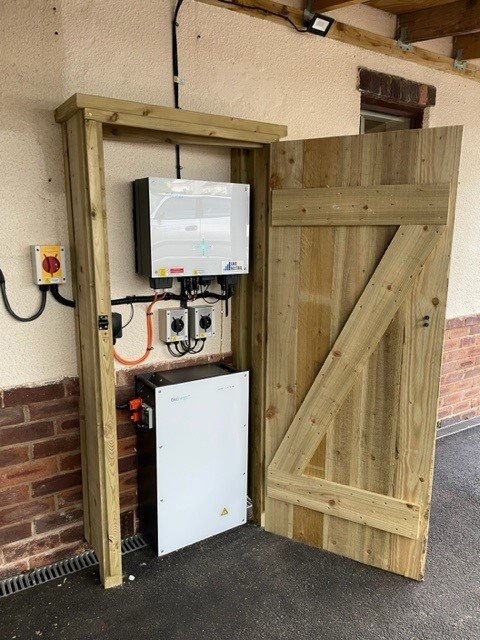

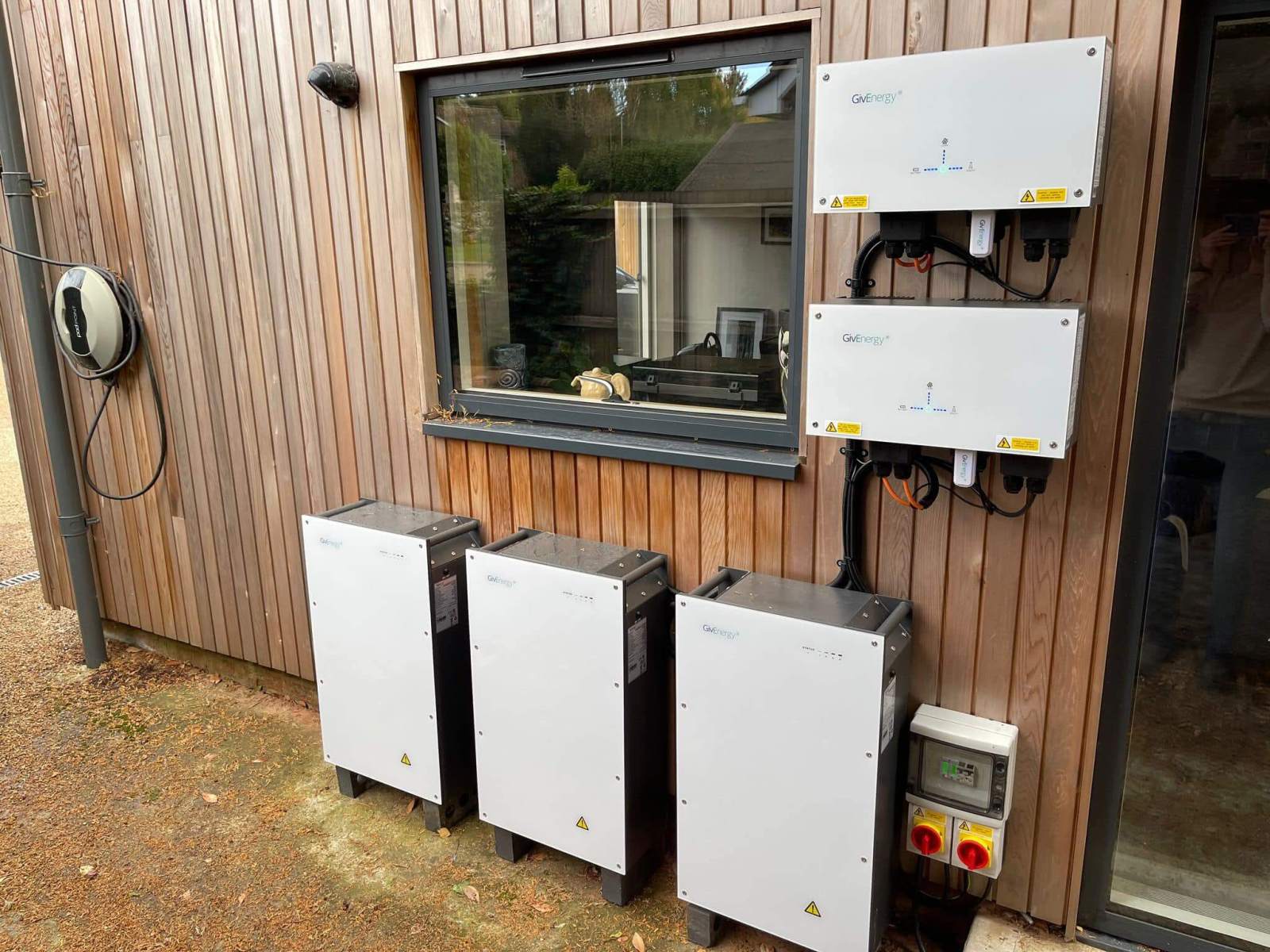
Retrofitting a storage battery to a solar array
Is it difficult to retrofit storage batteries to solar PV already in place? Not remotely.
The process of adding storage to an existing solar array is quick, easy, and typically done inside a day. Plus, the battery can be installed without any changes to either your solar panels or your Feed in Tariff. (If in place.)
An installer will simply visit the property to fit a solar battery to store excess solar. They’ll also install an AC coupled inverter that will communicate between solar PV, the battery, and the home.
Once completed:
- The power from your existing solar panels will charge the battery
- The battery will supply the home
- Any leftover energy is sent back to the grid
- You can run your home on clean energy morning, noon, and night
- You help contribute to a cleaner, more controllable grid
Are storage batteries useful without renewables?
Retrofit storage benefits, as we now know, maximise your investment on renewables. But what about energy storage for homes without solar? (I.e., standalone battery storage.)
We recognise that covering your roof with solar panels or sticking a wind turbine in your back garden is not within everyone’s means.
Even if that’s the case, storage batteries still have a key role to play in reducing demands on grid infrastructure. Your battery can be configured to charge strategically when energy costs and demands are low (such as overnight). During peak hours, you can then run your home or business on clean battery power when demands on grid infrastructure are high.


Other benefits
As well as reducing demands on grid infrastructure, retrofit storage batteries can also help you save on your energy bills. According to real-world data from our energy monitoring software, this could be as much as £1,500 per year.
What’s more, retrofit storage batteries can help provide backup power during blackouts due to extreme weather conditions. As a look outside the UK, many in Texas and California are reportedly turning to solar power coupled with battery storage as blackouts become more frequent.
Getting storage batteries on the agenda
In short, retrofit storage batteries are a win-win not only for the grid, but also for consumers and the climate.
With the announcement that the UK government will grant VAT relief on the installation of energy storage batteries, we hope to see more people becoming aware of this missing piece of the puzzle in the move towards renewables.