A new report suggests the UK isn’t doing enough to support LDES (long duration energy storage).
The House of Lords Science and Technology Committee published their findings on the matter on March 13, 2024.
The report notes that LDES at grid scale will help offset the variability of renewables. Moreover, LDES will be crucial in stabilising the grid as electricity usage in transport and heating increases.
What is LDES and why do we need it?
Long duration energy storage largely does what it says on the tin: stores energy over an extended period of time for later use.
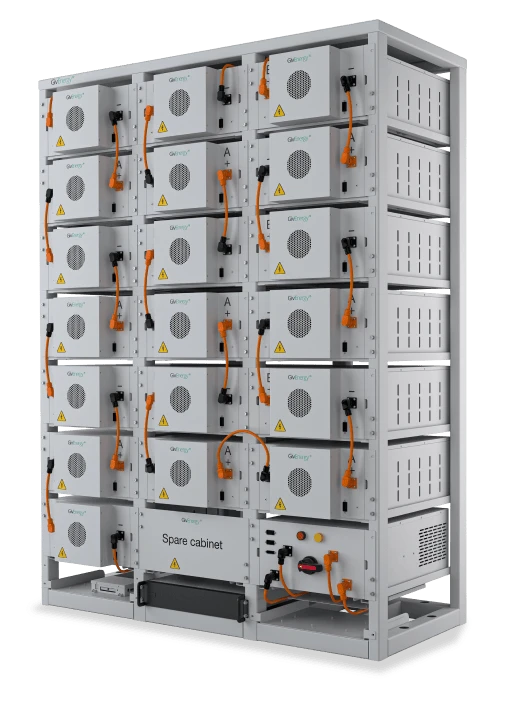

Energy storage systems (ESS) in general have come into the spotlight as governments around the world commit to achieving net zero.
That’s because of:
- The increased use of renewables which have hour-to-hour variability, particularly solar and wind
- The electrification of transport and heating (EVs and heat pumps)
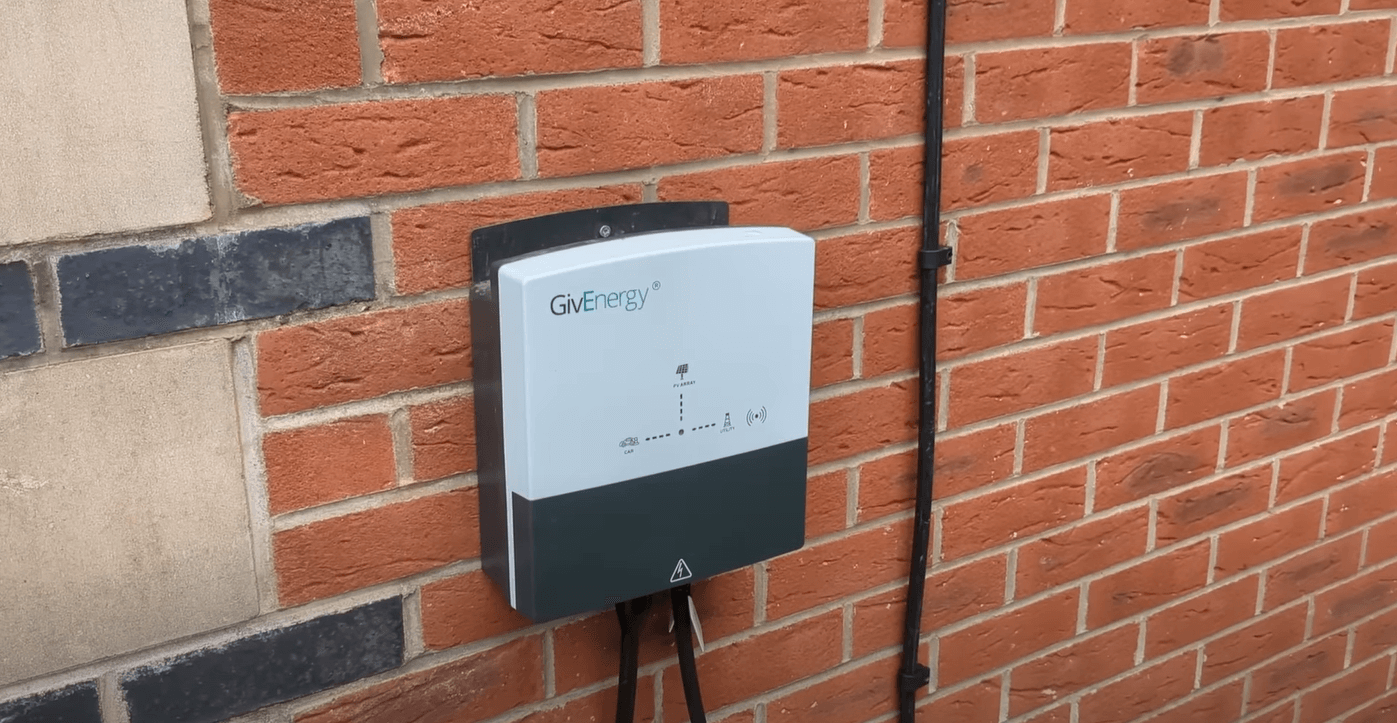

In short, to meet net zero targets, more energy will need to be stored for later use.
According to Long Duration Energy Storage Council, the main types of LDES include:
- Thermal – used to store heat
- Electrochemical – mainly battery storage (something GivEnergy knows a thing or two about)
- Mechanical – such as pumped hydro storage or compressed air energy storage
- Chemical – including hydrogen storage
Pumped hydro storage is the most common type of grid scale LDES. However, as the International Energy Agency (IEA) acknowledges, battery storage is catching up.
How long is long duration depends on who you ask.
The aforementioned report defines long duration storage as the ability to store energy for multiple days.
Meanwhile, Long Duration Energy Storage Council mentions batteries with a storage duration of over four hours.
What else does the report say?
The key recommendations include the following:
- A strategic energy reserve which can generate 25TWh of electricity a year by 2040
- Coordination between Future System Operation (FSO), Ofgem, Department for Energy Security and Net Zero, and public and private investment
- A minimum target for energy storage
- Commitment to an LDES business model
- Support for investment in hydrogen
The report also notes a related purpose of LDES: delivering energy security.
It cites the financial cost of energy crises since 2021 which exposed how the UK was ‘vulnerable to global energy supply shocks’.
What is the current state of grid-scale storage in the UK?
A report released in December 2023 by RenewableUK suggests that the pipeline of UK battery storage projects has grown by two-thirds over 12 months.
Capacity has gone from 50.3GW at the end of 2022, to 84.8GW a year later. (Including projects in the pre-planning, planning, consented, under construction, and operational stages.)
Meanwhile, a report by Aurora Energy Research suggests Britain is set to quadruple its grid scale battery storage capacity by 2030.
Research from Bloomberg suggests that demand for grid scale storage in the UK will rise from less than 2GWh in 2023 to around 20GWh by 2035.
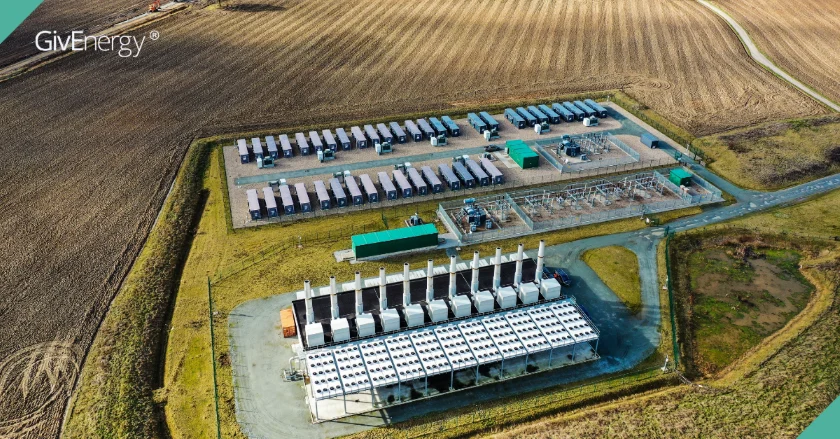
One example of grid scale storage in action is that of the battery storage site near Cottingham, East Yorkshire.
The site stores energy generated at Dogger Bank Wind Farm in the North Sea. The batteries’ total capacity stands at 196MWh in a single cycle, enough to power 300,000 homes in Yorkshire for two hours.
Beyond grid scale LDES
At GivEnergy, we’ve long advocated for the role of households and businesses when it comes to energy storage.
Alongside grid scale storage, consumers can also play their part. This could be by installing:
- A standalone storage battery charging and discharging strategically to reduce strain on the grid during peak hours
- A storage battery coupled with renewable technology such as solar panels or a wind turbine
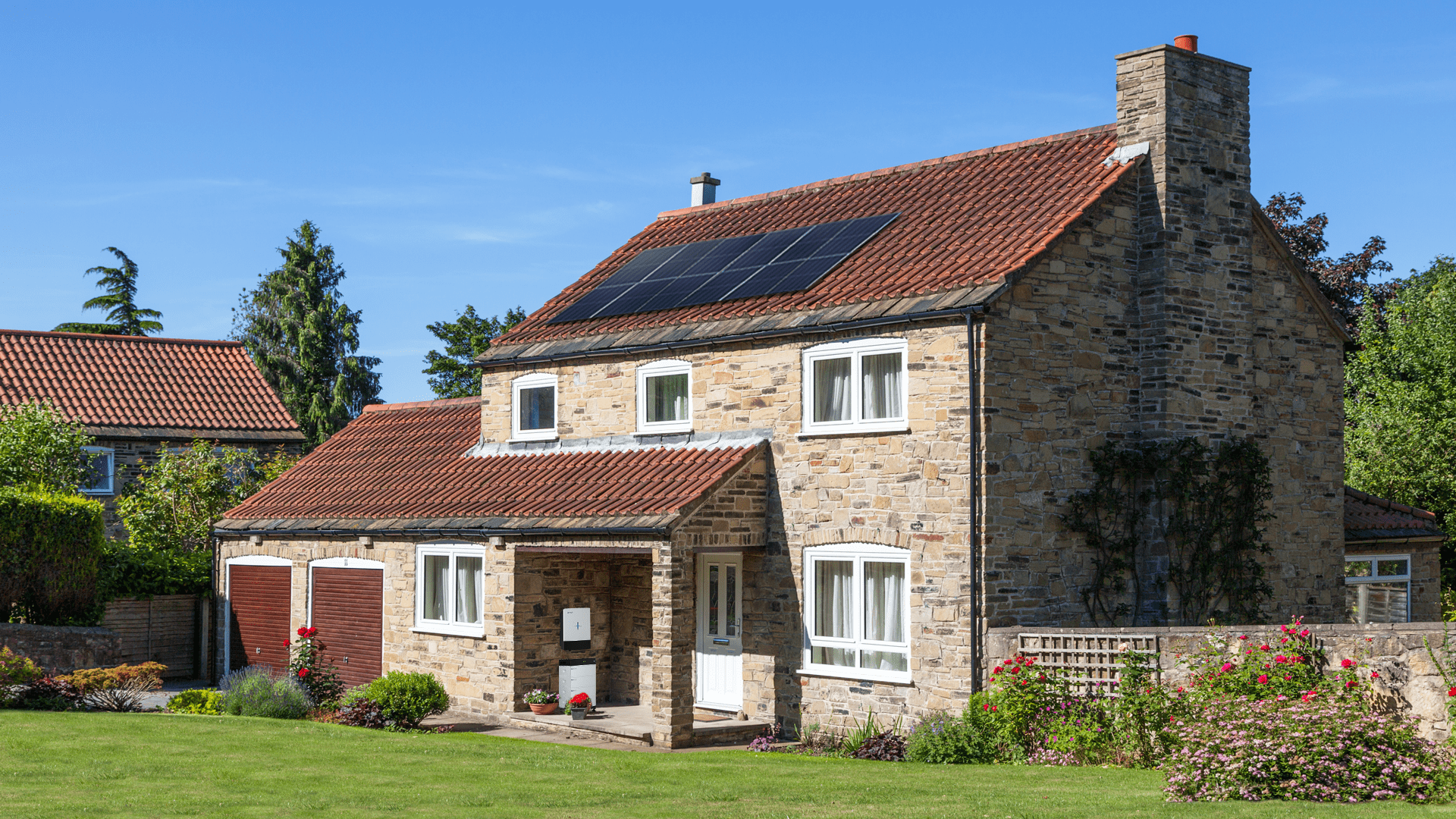
The government has taken some action to encourage uptake by introducing 0% VAT on battery storage installations.
However, they could go further by making battery storage mandatory in the Future Homes Standard. A recent poll shows that 61% of MPs support this.
A consultation is ongoing.
In the meantime, why not play your part in the battery storage revolution? Search for an approved GivEnergy installer today.