IP20 rated vs IP65 rated: what’s the difference?
When it comes to installing a home battery storage system, you’re sure to have a fair few questions.
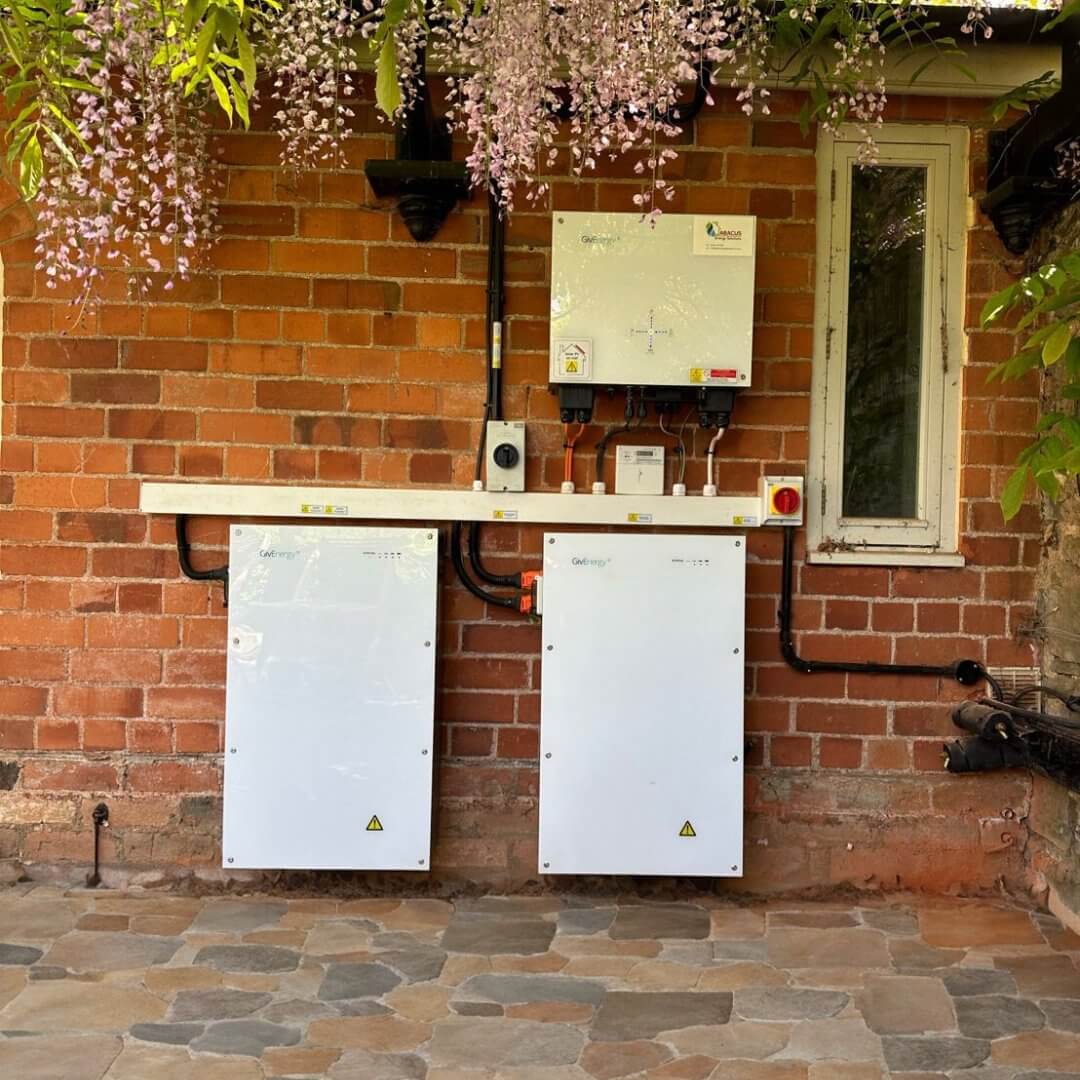
‘Where can I install my system?’
‘Is my system waterproof?’
‘Can I install my home battery outdoors?’
… etc.
A lot of this relates to the battery’s IP (ingress protection) rating.
When it comes to home batteries, two of the most common IP ratings you’ll come across are IP65 and IP20.
Here, we explain the difference between the two.
IP20 rated vs IP65 rated: what’s the difference?
IP ratings are official grades of protection developed by the International Electrotechnical Commission (IEC).
The first number after IP refers to level of protection against solid foreign objects.
The ratings are as follows:
- 0 – no protection
- 1 – protection against solid foreign objects of 50mm in diameter
- 2 – protection against solid foreign objects of 12.5mm and greater in diameter
- 3 – protection against solid foreign objects of 2.5mm and greater in diameter
- 4 – protection against solid foreign objects of 1mm and greater in diameter
- 5 – protection against dust
- 6 – dust tight
The second number after IP refers to the level of protection against water.
The ratings are as follows:
- 0 – no protection
- 1 – protection against vertically falling water drops
- 2 – protection against vertically falling water drops when enclosure tilted up to 15 degrees
- 3 – protection against spraying water
- 4 – protection against splashed water
- 5 – protection against water jets
- 6 – protection against powerful water jets
- 7 – protection against the effects of temporary immersion in water
- 8 – protection against the effects of continuous water immersion
- 9 – protection against high pressure and temporary water jets
So, an object with IP20 rating has protection against solid foreign objects of 12.5mm and greater in diameter. However, the same object has no protection against water.
What does this mean for home batteries?
IP65 rated home batteries
- Dust tight
- Waterproof to the point of being sprayed with water jets (we don’t recommend spraying your battery with water jets)
- Suitable for outdoor installations

IP20 rated home batteries
- Not dust tight
- No waterproof protection
- Not suitable for outdoor installations
What is the IP rating of GivEnergy batteries?
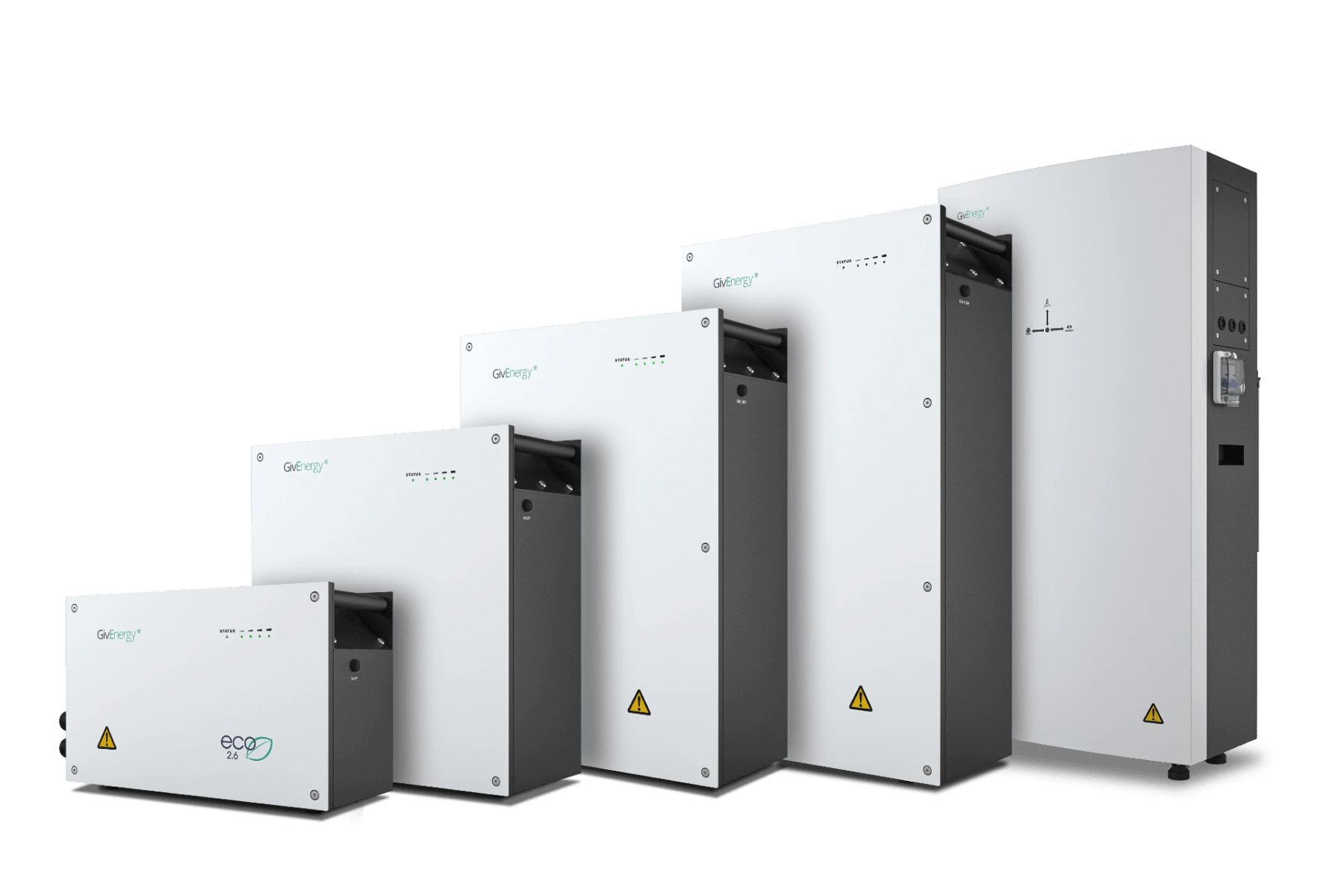
All GivEnergy home batteries are IP65 rated.
The best thing about that?
Your home battery is suitable for outdoor installation, giving you greater options regarding where you can install your system.
This is especially good for those installing a home battery in a property with limited space indoors.

That being said, you still need to pay attention to the following.
Remember…
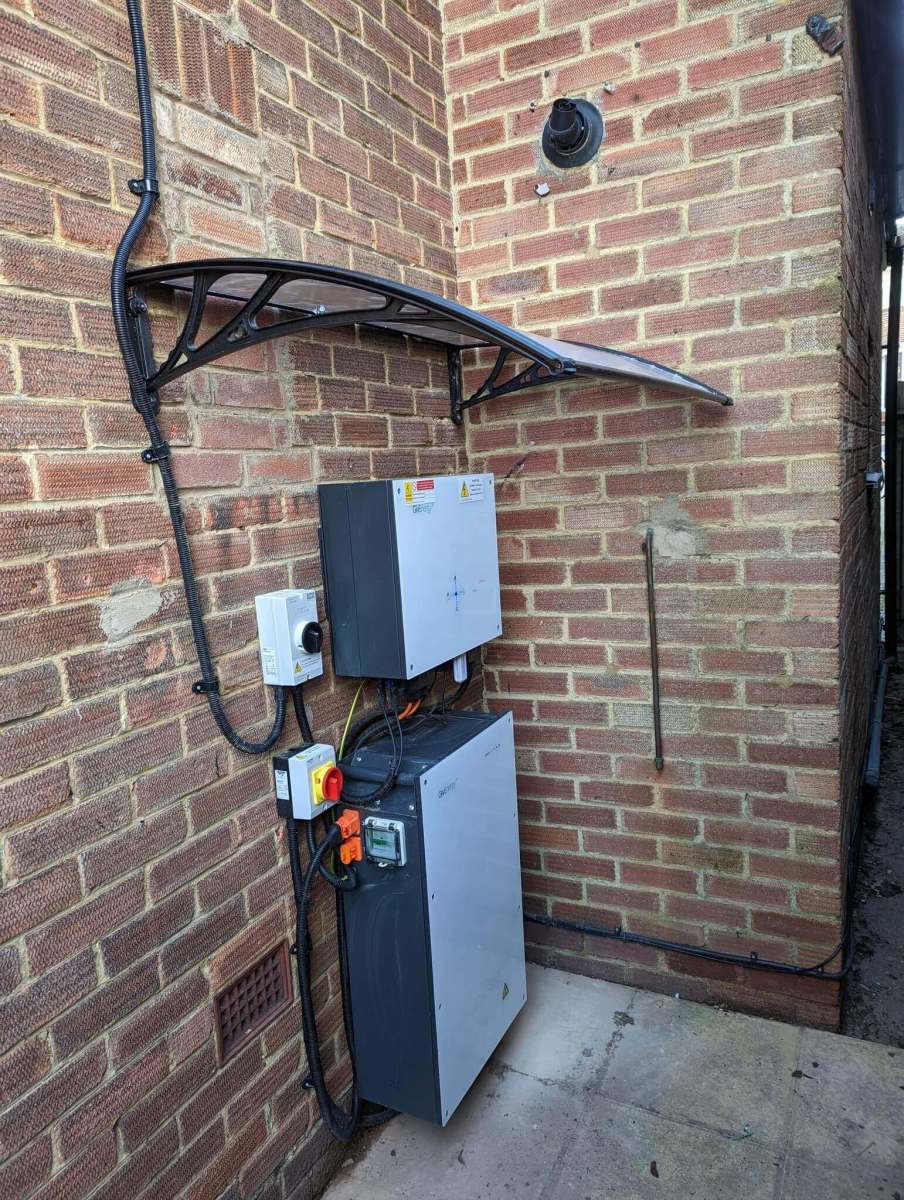
… for outdoor installations, keep your battery underneath a canopy. This protects the heat sink from becoming clogged up with debris, such as leaves.
Make sure your battery is NOT in direct sunlight to avoid overheating.
ALL installations MUST be carried out by an approved GivEnergy installer. Approved installations are the only way for the industry leading 12-year warranty to be valid.
Ready to start your journey?
Click here to get yourself on the path towards energy independence!