Home renewables: a journey that an increasing number of homeowners in the UK and beyond are taking.
Traditionally, homeowners would start their path to energy independence with solar PV panels.

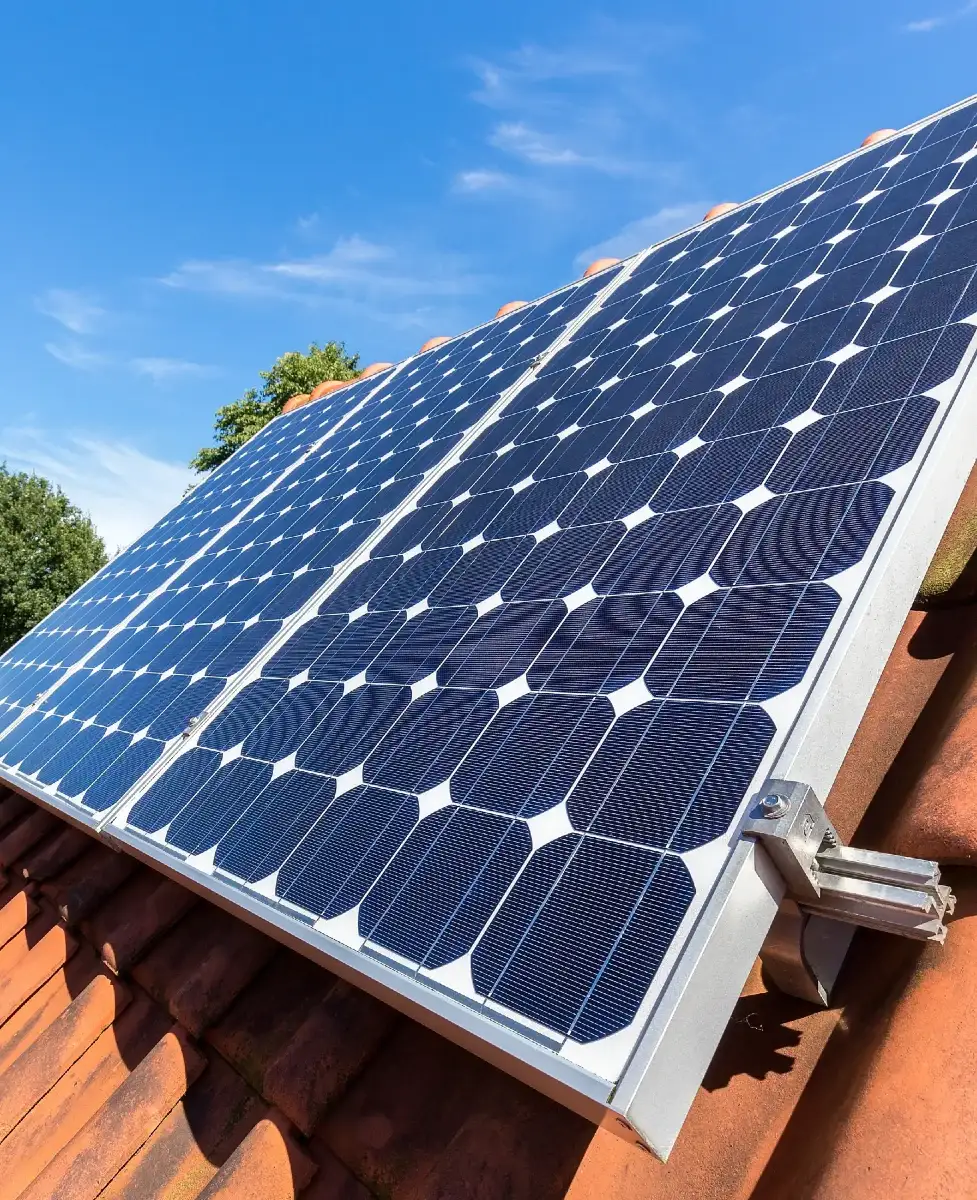
While solar is a key part of the renewables puzzle, is it really the best place to start?
Here, we make the case for starting your home renewables journey with battery storage.
(Yes, we’re a bit biased. But read on and hear us out!)
Do renewables work without battery storage?
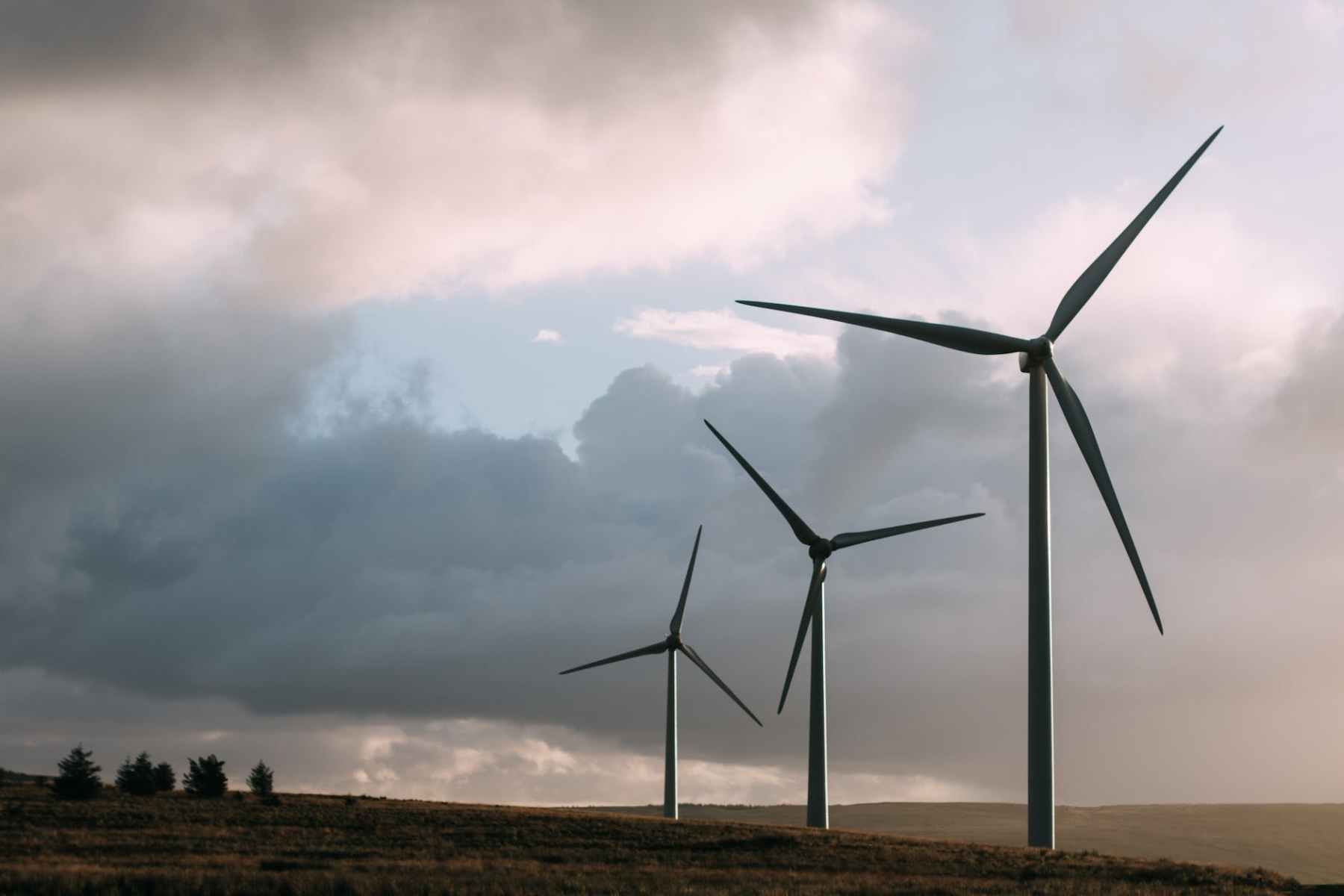
In theory, renewable technology – solar PV panels, wind turbine for home, etc. – works without battery storage. That means these technologies can generate renewable energy without battery storage.
BUT…
… and it’s a big but…
Without anywhere to store energy, a lot of renewables can go to waste.
Look at average UK electricity usage by the hour. You’ll notice demand peaks around late afternoon and early evening.
This doesn’t necessarily align with when the sun is shining or wind is blowing – especially in winter regarding the former.
You need to store any renewables you generate for when you need it most, such as during peak hours.
Don’t just take our word for it…
A study published in the journal, Applied Energy looked at homeowners with solar PV plus battery storage versus those with standalone solar.

The former reduced electricity imports from the grid by up to 84%. Meanwhile, the latter used only 30-40% of the energy generated by their solar array.
In short, renewables work without battery storage. HOWEVER, a lot of energy goes to waste without anywhere to store it.
Home renewables: where to start?
Knowing where to start with your home renewables journey can be difficult.
What comes first?
Solar?
Battery?
Wind turbine for home?
Investing in home renewables is a big decision, especially when you see the upfront price tag.
Let’s say you choose to start with solar.
According to The Eco Experts, the average solar installation in the UK costs £9,180 in 2024.
That seems like a lot of money to invest in something from which you might only get 30-40% of energy generated.
Here’s an alternative starting point.
Why storage is king
Let’s say you go with battery storage as the starting point on your home renewables journey.
Right from the get-go, you have the ability to store energy.
This means you can charge your battery with cheaper and cleaner energy from the grid, then use it when you need it most, such as during more expensive peak hours.
This is beneficial for two reasons.
Firstly, you can avoid paying for more expensive electricity if you’re on a smart time-of-use tariff.
Secondly, you can help reduce strain on the grid, especially during times of high demand.
In short, you’ll get far more out of a standalone battery storage system compared with standalone solar.
And when the time is right, you can choose to retrofit solar, wind, or another form of renewable technology to complement your battery storage system.
What’s the state of the home renewables market in the UK?
Traditionally, solar has been the starting point for UK homeowners.
According to MCS figures, there have been around 1.5 million installations of small-scale solar PV systems in the UK since 2008.
At least 519,409 of these are in residential properties, according to The Eco Experts.
Battery storage installations appear to be catching up, with MCS figures showing 2023 as a “record-breaking year.”
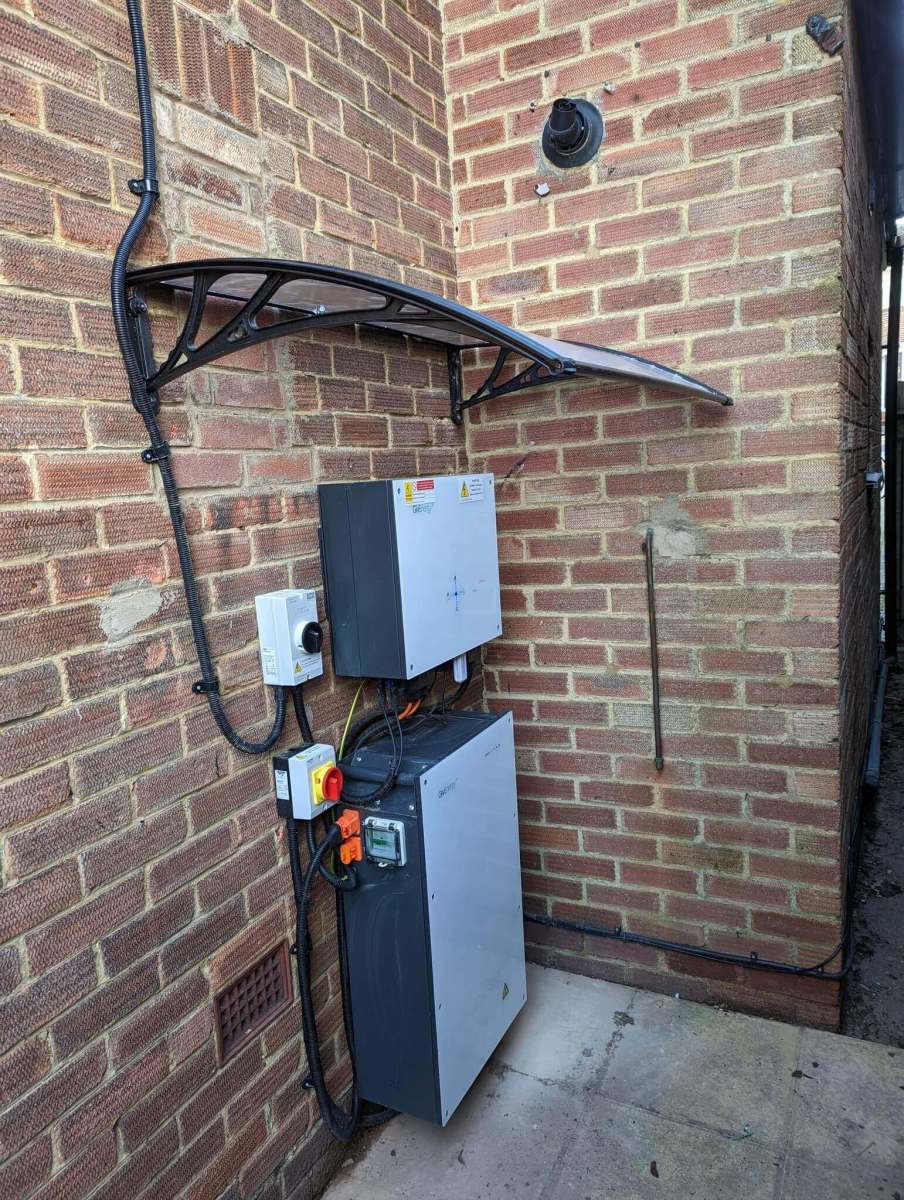
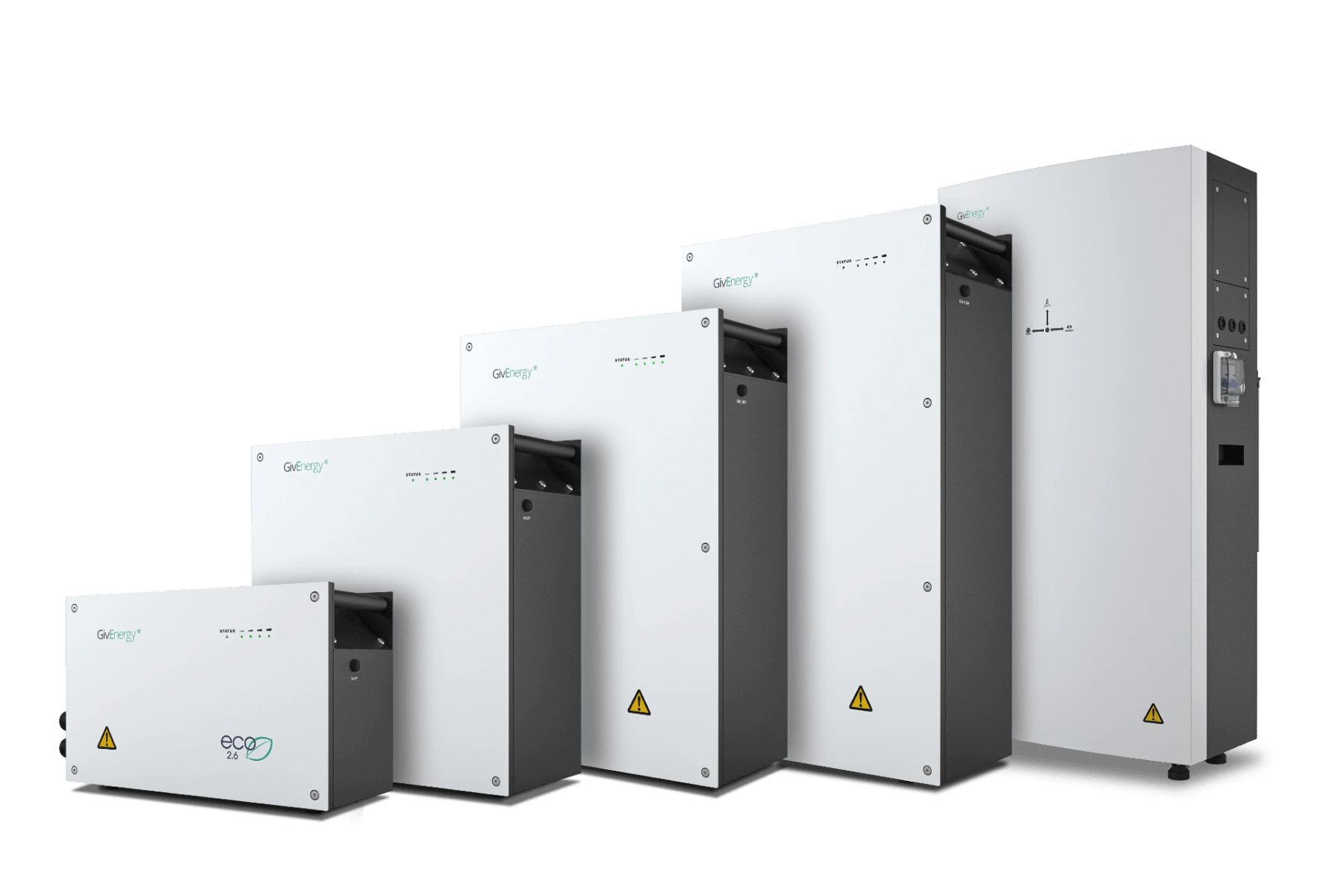
Our own figures (separate from the MCS) suggest that there are around 5,000 installations of GivEnergy kit each month.
All battery storage installations in the UK are now VAT-free – perhaps encouraging homeowners to start seeing batteries as the start of their path to energy freedom.
Disappointingly, there is still no mention of mandatory battery storage in the Future Homes Standard (FHS). This is despite polling evidence suggesting 61% of MPs would support such a measure.
Ready to start your home renewables journey?
Did we convince you to start your path towards energy freedom with battery storage?
Or perhaps, you want to retrofit a battery storage system for your renewable installation?
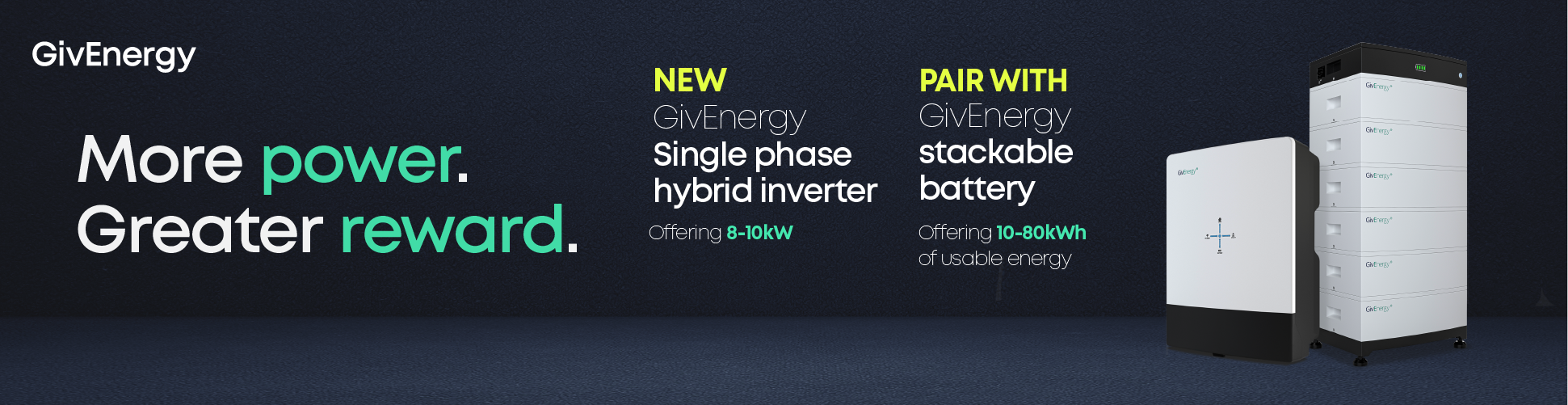
Whatever your situation, click here to find out which GivEnergy battery storage system could be right for you.