The great grid upgrade is a key part of the UK’s path towards net zero emissions by 2050.
As part of the transition from fossil fuels to renewable energy, the electricity grid needs an upgrade.
Otherwise, we’ll be left with outdated grid infrastructure unable to deliver clean electricity to where it’s needed.
Here, we explain the what and the why of the great grid upgrade.
So, what is the great grid upgrade?
According to National Grid, the great grid upgrade includes 17 major infrastructure projects.
These include scaling up the grid and updating existing grid networks.
National Grid states that the upgrade will:
“… carry more clean, secure (renewable) energy from where it’s generated – like out in the North Sea by wind (farms) – to where you need it.”
In short, upgrading the electricity grid will make it fit to deliver electricity from renewable sources of energy.
And why do we need the great grid upgrade?
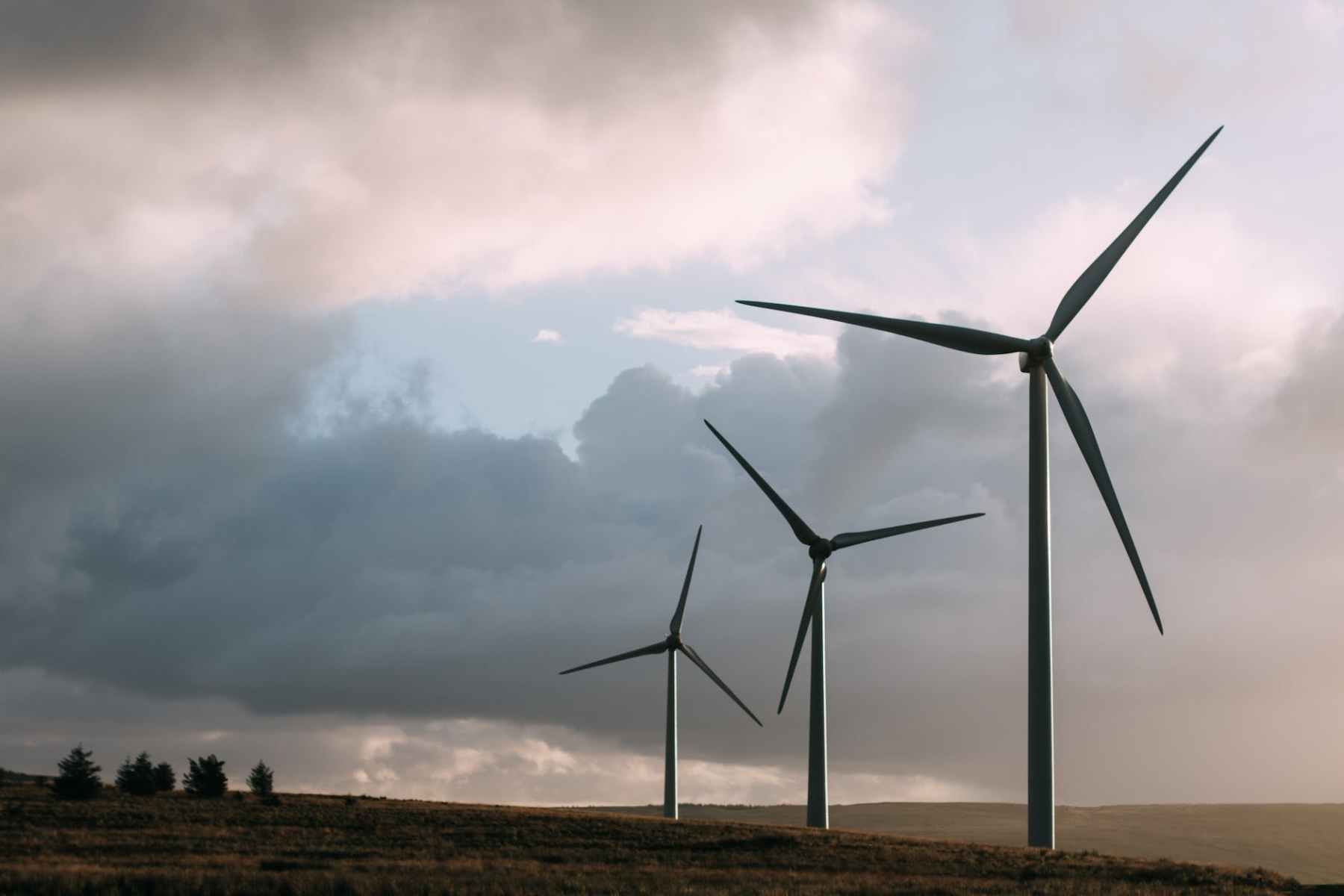
Short answer: because the UK is shifting from fossil fuels to renewable energy.
The UK’s electricity grid infrastructure was built to deliver electricity from sources such as coal-fired power plants.
To give you an idea of how far we’ve already moved from fossil fuels to renewable energy – as well as how much further we plan to go – consider these stats below.
Less than 1%
That’s how much electricity is generated from coal.
Until about 1960, coal delivered most of the UK’s energy needs.
22% year-on-year
That’s how much fossil fuel-powered electricity declined in the UK in 2023.
21.8GW
That’s the UK record for the most amount of electricity generated from wind energy in a 30-minute time period.
The record-breaking amount was recorded on December 21st, 2023 between 8-8.30am.
For context, 21.8GW was roughly 56% of the UK’s total electricity output for that day.
50GW
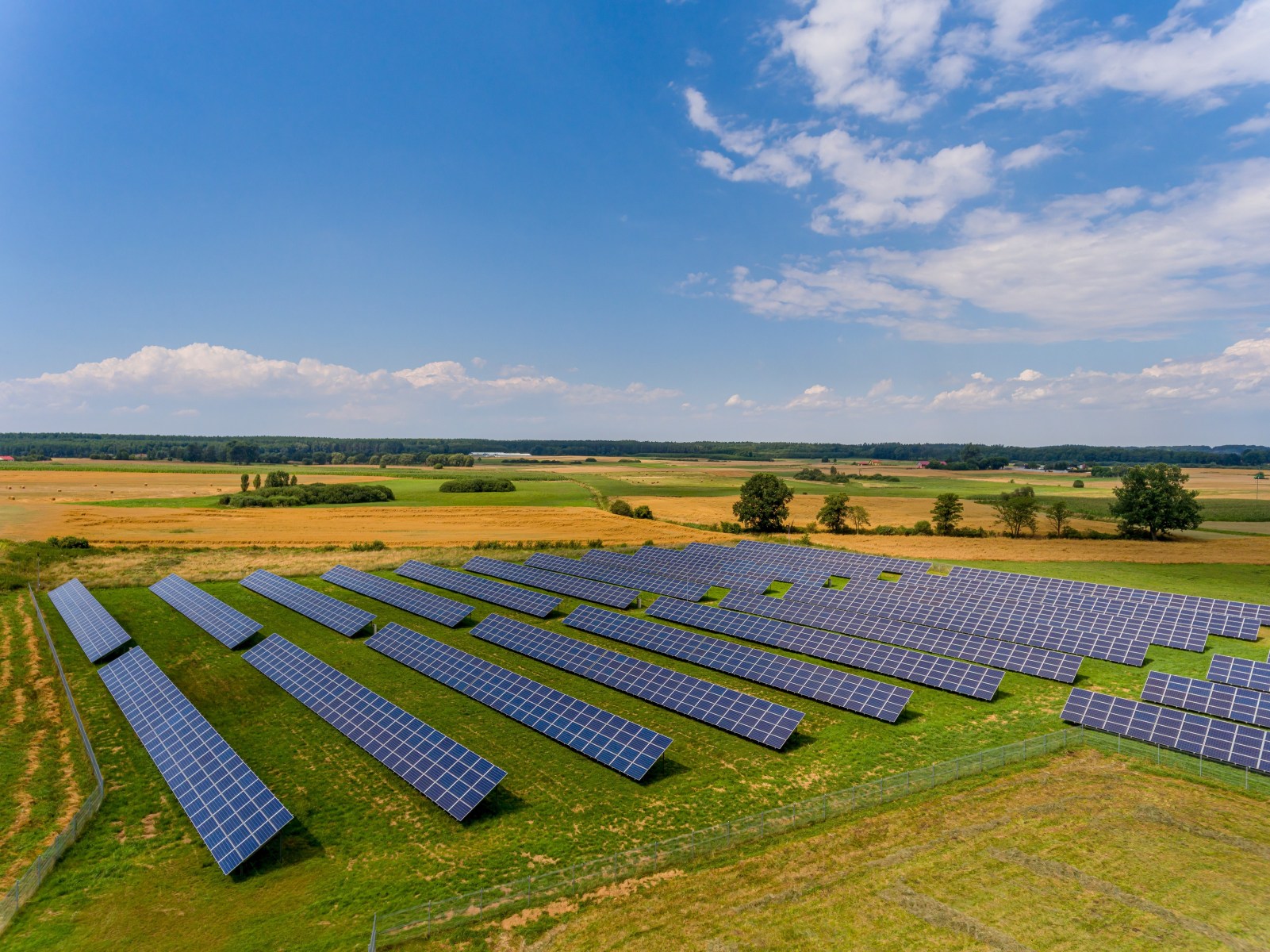
That’s how much offshore wind generation capacity the UK aims to have by 2030.
5-fold
That’s by how much the UK aims to increase its solar generation capacity by 2035.

The UK and beyond
The International Energy Agency (IEA) suggests that the need to upgrade grid infrastructure is global.
A first-of-its-kind report by the IEA finds that 80 million kilometres of electricity grids must be updated or replaced.
Grid upgrades in action
To understand why upgrading the UK’s electricity grid is necessary, consider this example.
The Creyke Beck substation in East Riding of Yorkshire connects to the Dogger Bank wind farm in the North Sea. The extension to the substation will also connect the Hornsea Project Four Offshore wind farm, as well as a nearby solar and battery storage site.
Creyke Beck is currently well equipped to transmit electricity to nearby areas, including many parts of Yorkshire.
However, transmitting electricity to other parts of the country is a different story.
For instance, National Grid acknowledges the lack of power line capacity between the North and the Midlands.
That’s why they’re proposing to build a new 90km 400kV overhead power line from Creyke Beck to a substation in High Marnham, Nottinghamshire.
In short, the proposed new power line will help get renewably generated electricity to where its needed.
In this case, from wind farms in the North Sea to the Midlands.
Other than grid upgrades, what else is needed?
An upgraded grid alone will not facilitate the UK’s transition to clean energy.
Grid scale battery storage
The transition towards renewables is a positive step.
However, the downside of renewables?
A lot of them are time-variable, especially wind and solar.
In short, you can’t turn the sun and wind on and off, as and when required.
Direct sunlight and windy conditions don’t always arise when you need them most, such as during peak electricity hours.

Fortunately, grid scale battery storage can help offset this time variability through load shifting.
For instance, let’s say a solar farm generates loads of energy during the middle of a bright sunny day.
However, the middle of the day is not when this energy is needed most. Instead, the grid really needs it during late afternoon and early evening.
With grid scale battery storage, the solar energy can be stored during the day, then discharged during peak electricity hours.
Other grid scale energy storage
Batteries are not the only form of storage available at grid level.
Though batteries are catching up, pumped hydro storage (PHS) is currently the largest form of grid scale energy storage by capacity, according to the IEA.
Other forms of long duration energy storage (LDES) include:
- Thermal
- Electrochemical (including other forms of batteries)
- Compressed air energy storage (CAES)
- Chemical
… and more.
Consumer level energy storage…
… i.e. home battery storage systems and commercial battery storage systems!
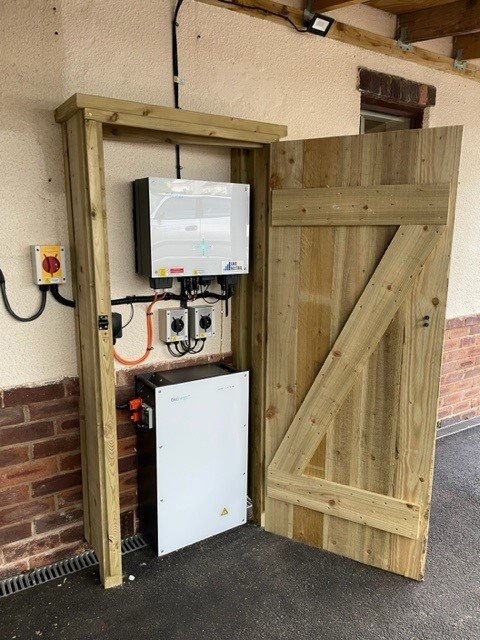
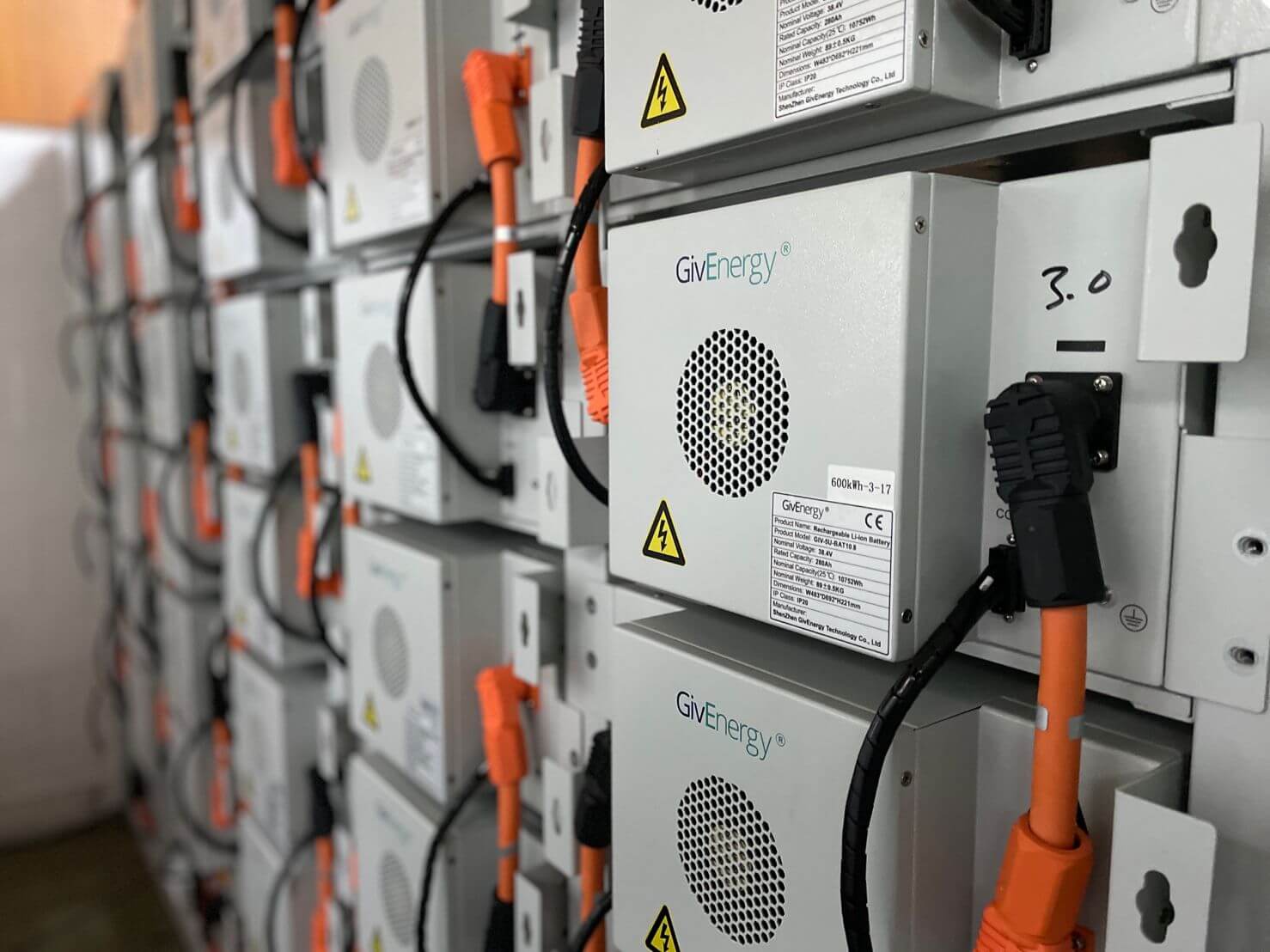
As well as grid operators, homes and businesses can also play their part in decarbonising the grid.
This could be through…
Renewables and battery storage
In most cases, this will be solar and storage. This means consumers can generate their own solar energy, store it, and then discharge it to power their property when they need it most.
Standalone battery storage
Consumers on a time-of-use tariff can capitalise on cheap electricity rates.
Charge your battery from the grid during cheaper off-peak hours, then discharge to power your property during more expensive peak hours.
As well as saving on bills, standalone battery storage can also help reduce strain on the grid during peak hours.
Ready to play your part in decarbonising the grid?
The great grid upgrade is just one part of the path to net zero carbon emissions.
You can play your part too!
Click here to start your path towards energy freedom… and play your part in creating a cleaner electricity grid.