Unless you’ve been living under a rock, you’ll have noticed there are more electric vehicles (EVs) on the road in recent times.
You may also know that battery storage is becoming more and more prevalent – for homes, businesses and at grid-level.
What you might not know is how the two can work in harmony.
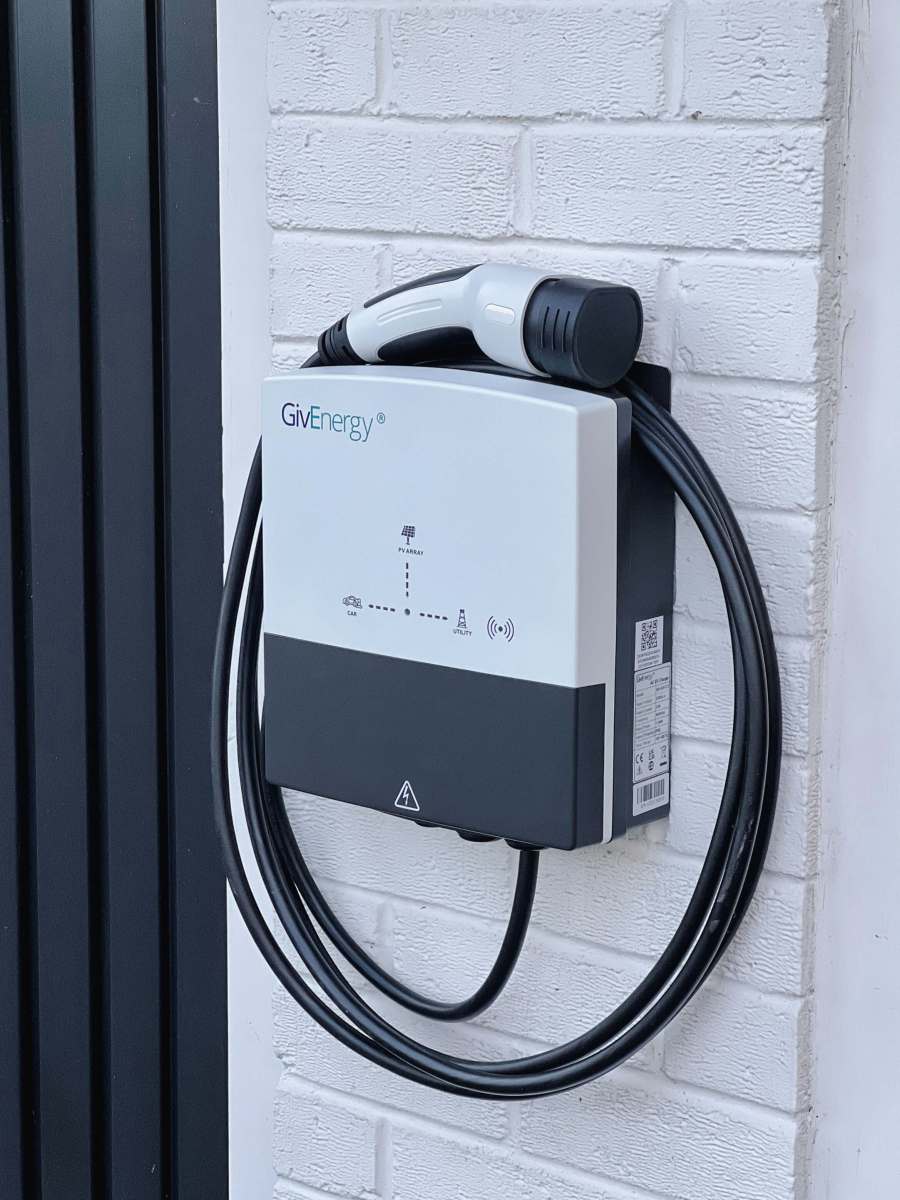
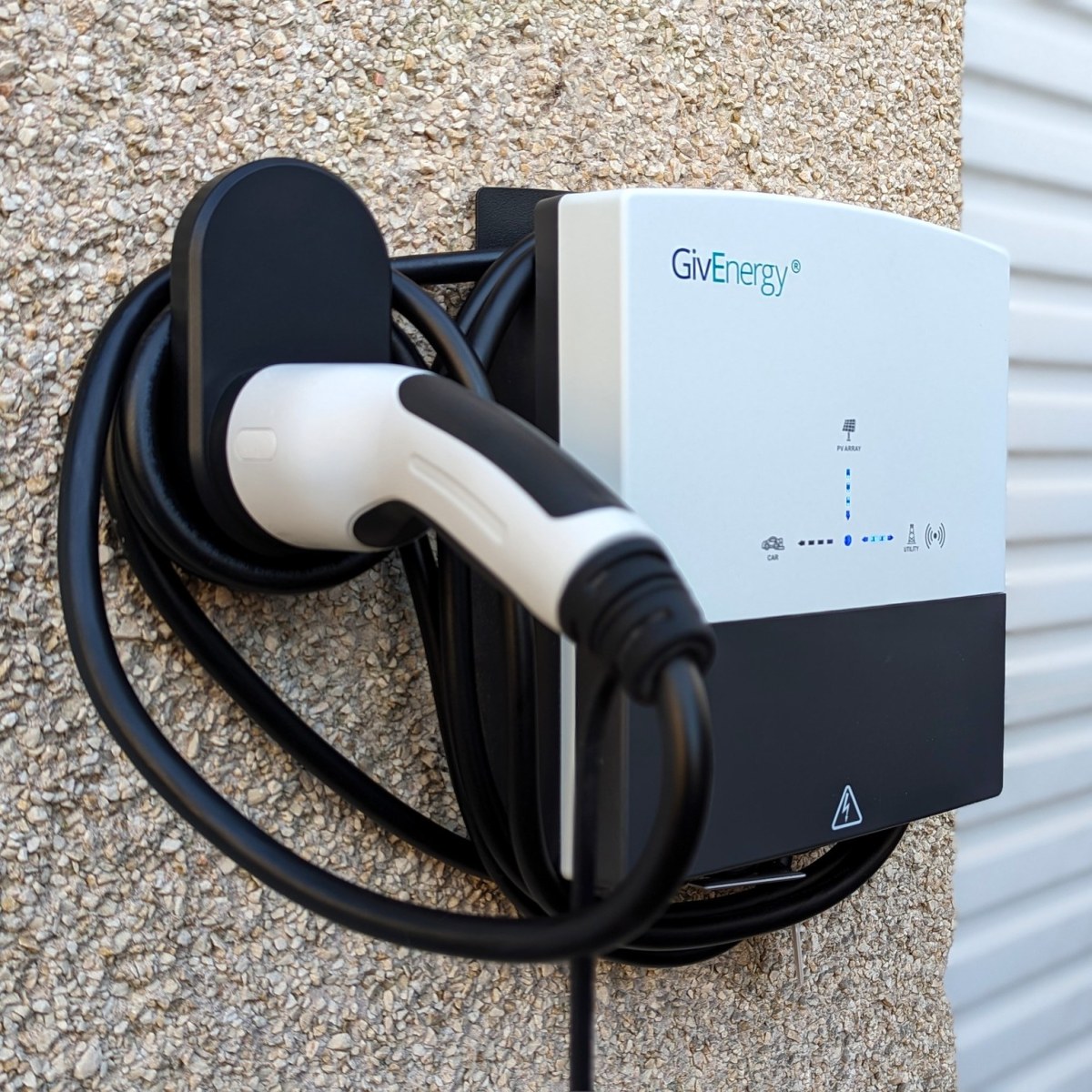
So, here’s a closer look at the intersection of electric vehicles and storage batteries – or simply EV storage for short.
EV storage: 3 ways EVs and battery storage can work in harmony
1. Charge an EV from renewable energy
Unlike petrol and diesel vehicles which need filling up at the pump, EVs need to be charged with… wait for it… electricity.
That requires a whole lot of EV charging points.
Most EVs will come with a ‘granny cable’ designed for a 3-pin plug. This means you can charge your EV from an ordinary home plug socket.
However, if you plan on charging your car regularly at home, you would be well advised to get an EV charger. In short, a dedicated EV charger is safer, faster and cheaper.
It’s also more sustainable. Here’s why.
Let’s say you’ve decided to start generating your own renewable energy. For most people, this will be from solar panels. For others, this may be from a wind turbine for home.
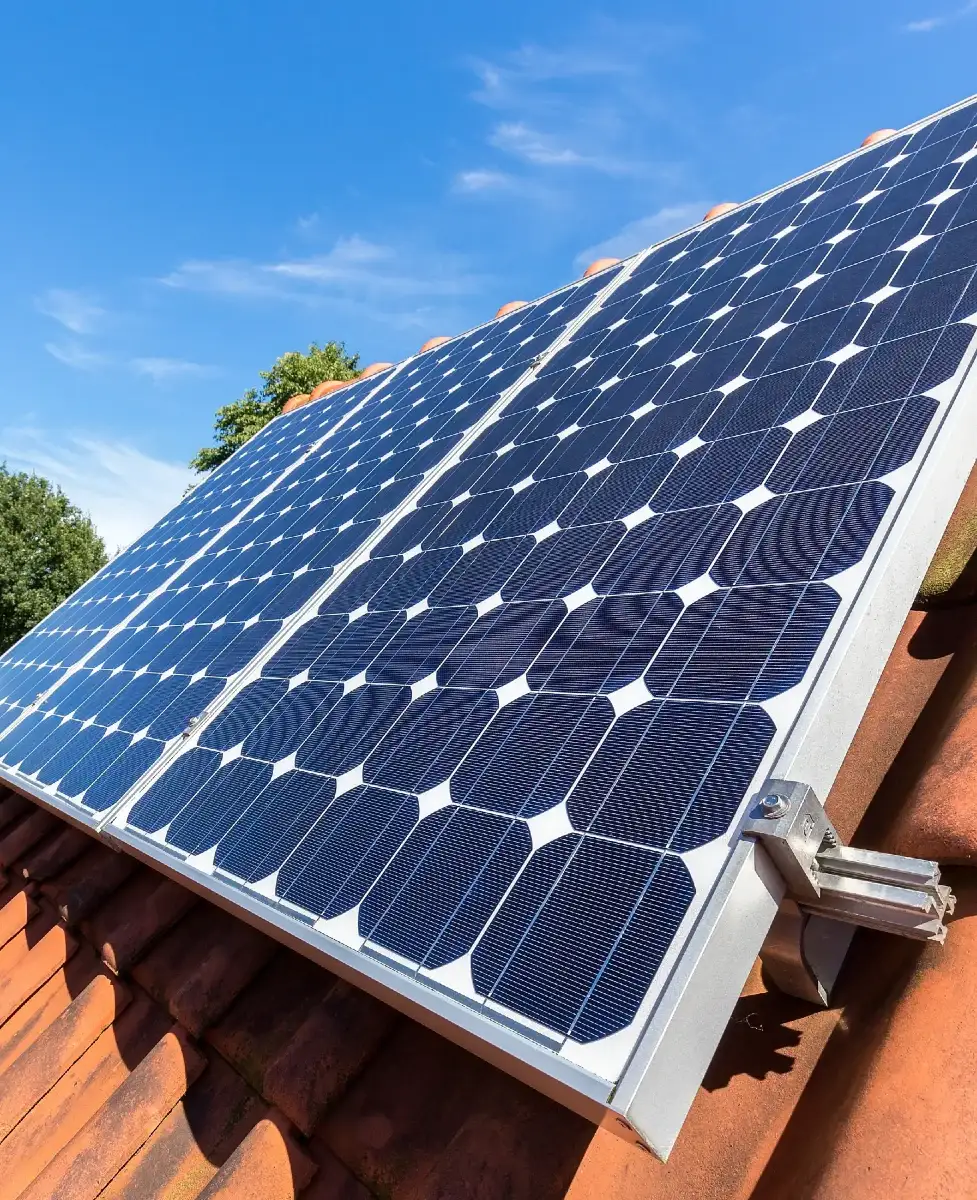
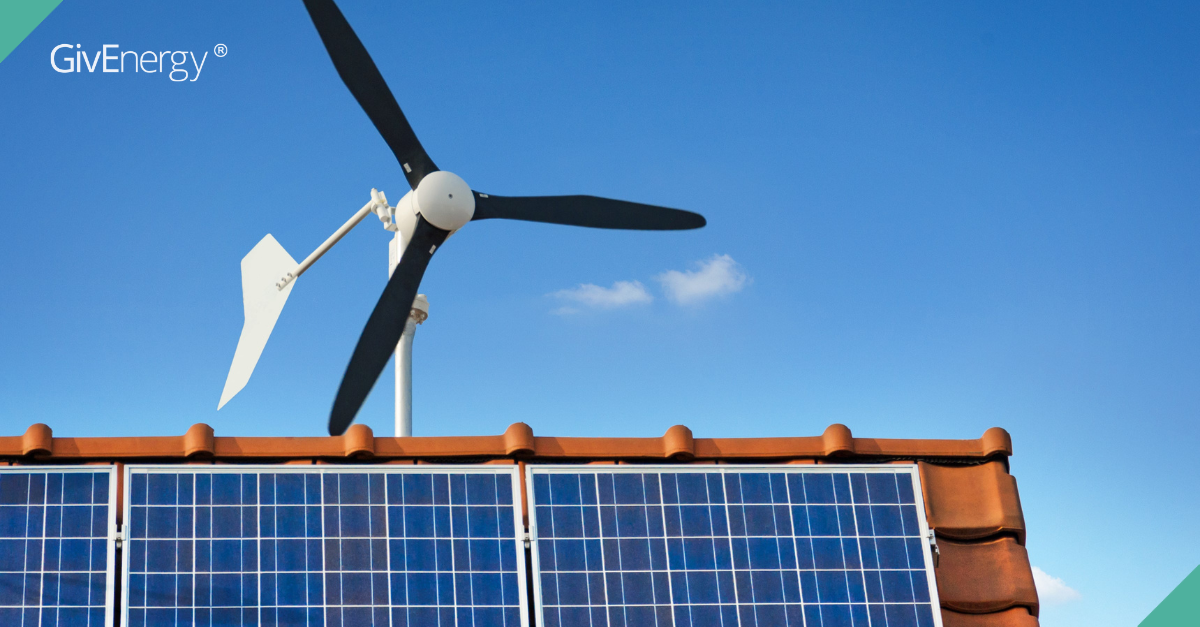
With an EV charging point, you can use the energy you generate from renewable sources to power your car.
Make sure to choose carefully.
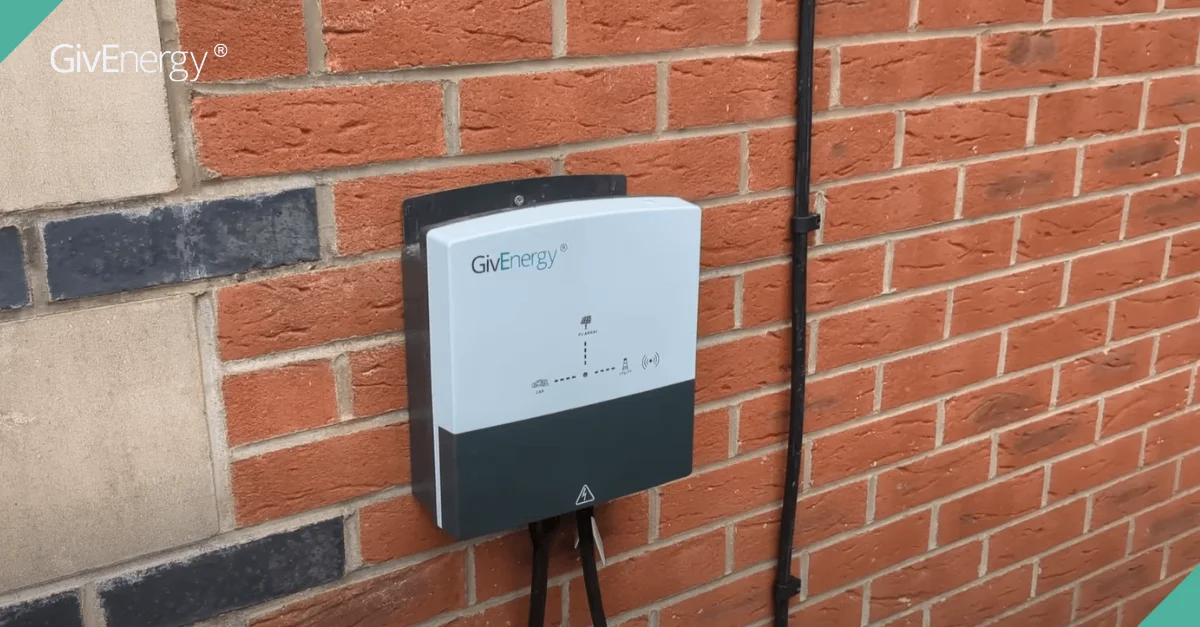
Most EV chargers are designed as mains-powered devices. Given the increase in properties using renewables and battery storage, the GivEnergy EV charger is solar-compatible. Due to its compatibility with the GivEnergy range, it’s also perfect for EV storage.
2. Charge an EV from a home storage battery
In case you didn’t know already, storage batteries are essential for renewable energy systems.
Without them, a lot of the energy you generate from wind or solar will go to waste.
And, with an EV charger as part of your sustainable home, you can use your battery to charge your car.
Even if you have no means of generating renewable energy, you can still benefit by charging your car from a storage battery, especially if you’re on a smart tariff.
Charge your battery during cheaper off-peak hours, and then discharge into your EV battery during more expensive peak hours.
But don’t worry. If necessary, you’ll still be able to charge your EV from the grid.

3. EV batteries powering the grid?
This last one hasn’t quite become reality… yet.
Researchers at the Massachusetts Institute of Technology (MIT) are looking at the potential for EVs to discharge excess electricity and send it back to the grid.
Under the UK government’s Smart Export Guarantee (SEG), this already happens with home storage batteries; users can export excess energy to the grid and get paid for it.
GivEnergy has its own version by the name of GivBack.
Perhaps, this could happen with EV batteries in the future.
Think of it like this: as well as powering your EV, your EV battery also works as an energy storage battery.
EV storage: where EVs and energy storage intersect
In short, EVs and energy storage have a huge role to play in sustainable mobility.
Already got yourself an EV? Why not look at getting an EV charger?
Even better, power it with a home storage battery… installed by an approved GivEnergy installer, of course.