Questions answered in this article:
- How does an air source heat pump (ASHP) work?
- Is an air source heat pump right for you?
- Can you run an air source heat pump on a home storage battery?
Installations of heat pumps are on the rise.
According to the MCS Foundation, the number of heat pumps installed in the UK in 2023 went up 19% on the previous year.
With a £7,500 government grant on offer in England and Wales, installations are only set to increase, helping to meet the government’s target of 600,000 per year by 2028.
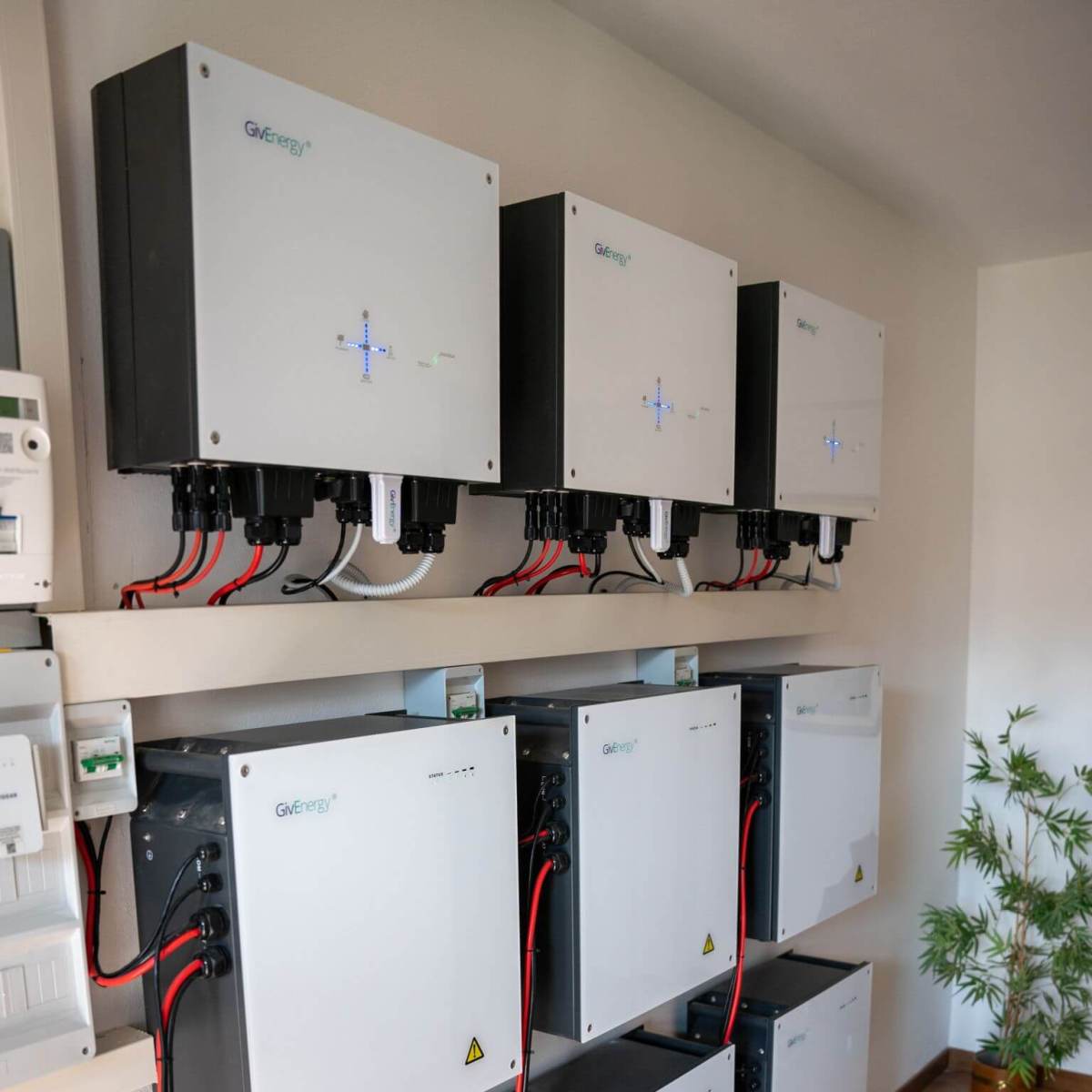
A properly installed and maintained air source heat pump can cut your carbon emissions and energy bills. But, as the technology relies on electricity, you may be wondering if it’s feasible to run it on your home storage battery. Will an ASHP be a burden forcing you to draw more electricity from the grid? (And in turn, defeating the purpose of a home battery?)

Read below to find the answer.
How does an air source heat pump work?
Let’s start with some heat pump basics.
ASHPs are not the only type of heat pumps out there. Others include ground source heat pumps and water source heat pumps.
However, as air source heat pumps are most common, we’ll keep things simple and just focus on these for now.
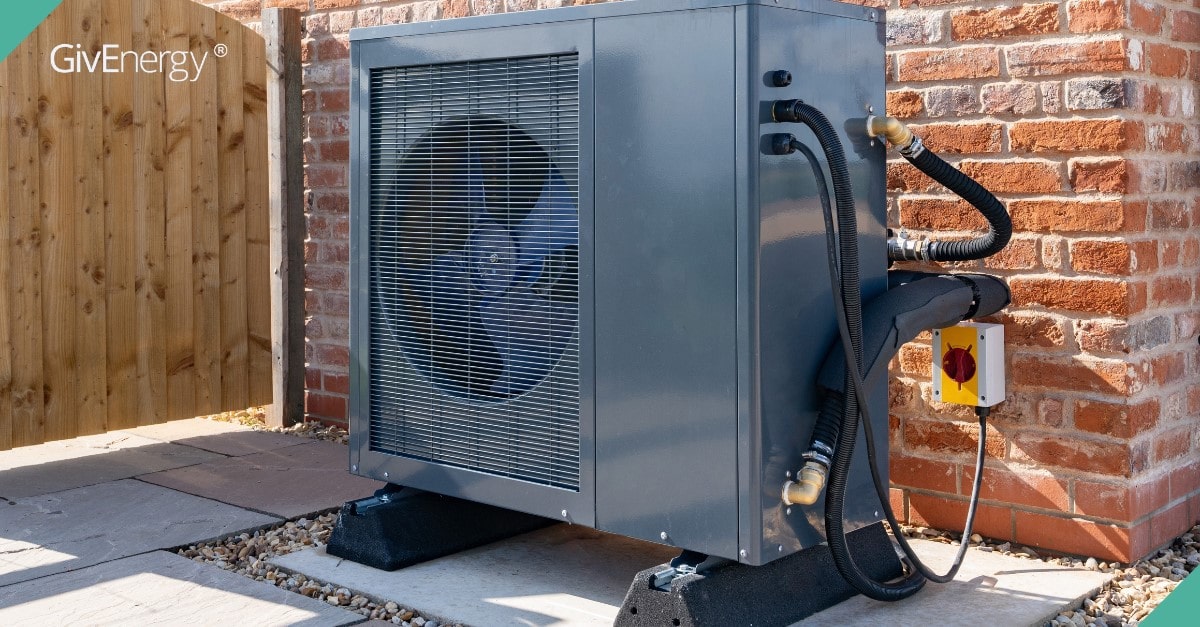
As the name suggests, an air source heat pump relies on… air.
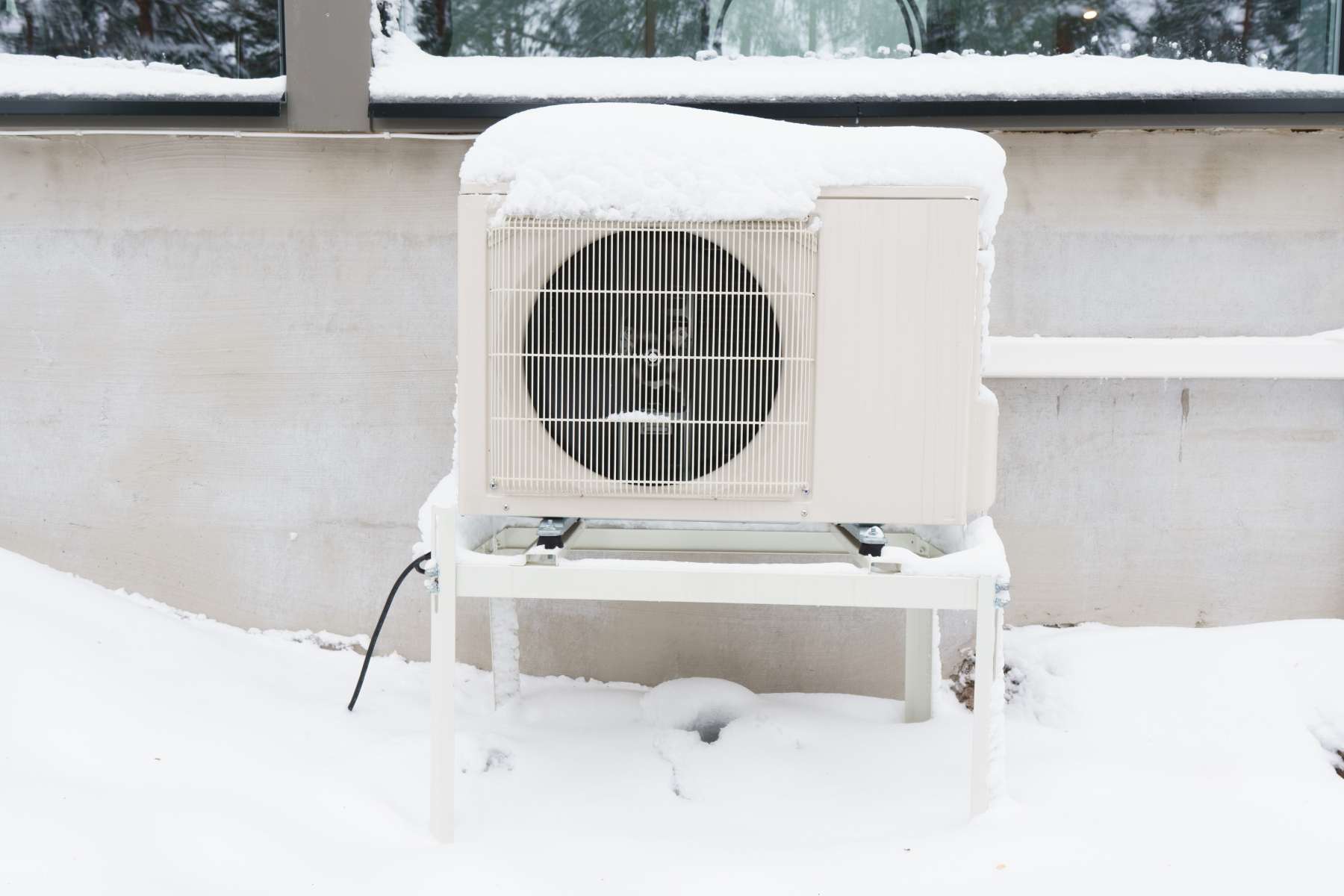
More specifically, it works by pumping air from outside to inside a property.
Using a mixture of evaporation and condensation, the air is turned into hot water which is then used in a home heating system.
Contrary to popular myth, ASHPs work in cold weather, albeit at lower efficiency. Lower end models can operate at lows of around -10 to -15°C, while more premium models may work at around -18 to -22°C.
Read this article from The Guardian for a more in-depth explanation.
Unlike a traditional gas boiler – relying on burning gas to heat a property – heat pumps are carbon-free as they don’t require the burning of fossil fuels.
Replacing your gas boiler with a heat pump means you can cut your carbon emissions and, assuming you don’t have any other gas-reliant devices, eliminate gas bills altogether.
It’s worth noting at this point that heat pumps rely on electricity to operate. So, while your gas bills may be reduced or eliminated, you will likely see an increase in your electricity bills (more on this later).
Is an air source heat pump right for you?
With a £7,500 grant on offer, as well as the potential to cut bills and carbon emissions, installing an air source heat pump can seem like an attractive option.
Before proceeding, you should consider the following:
- Insulation – generally, properties with a minimum Energy Performance Certificate Rating of D and above are suitable
- Radiators – heat pumps run at a lower temperature than gas boilers which means larger radiators may be necessary
- Installation costs – for a 3-bedroom house, installing an air source heat pump costs £10,000 on average (£2,500 if you receive the Boiler Upgrade Scheme grant)
- Running costs – an ASHP costs around £1,048 per year to maintain
Note that all costs are ballpark averages and vary significantly depending on numerous factors.
Among other things, the cost of running an air source heat pump depends on the heating needs of your property and how efficient your heat pump is.
So, can you run an air source heat pump on a home storage battery?
Short answer: yes.
As with most home battery-related things, this answer requires some explanation.
Let’s imagine you’ve installed a home storage battery, helping you to cut your bills and your carbon emissions. This could be a standalone battery taking advantage of a smart tariff, or a battery coupled with renewable technology – wind or solar.

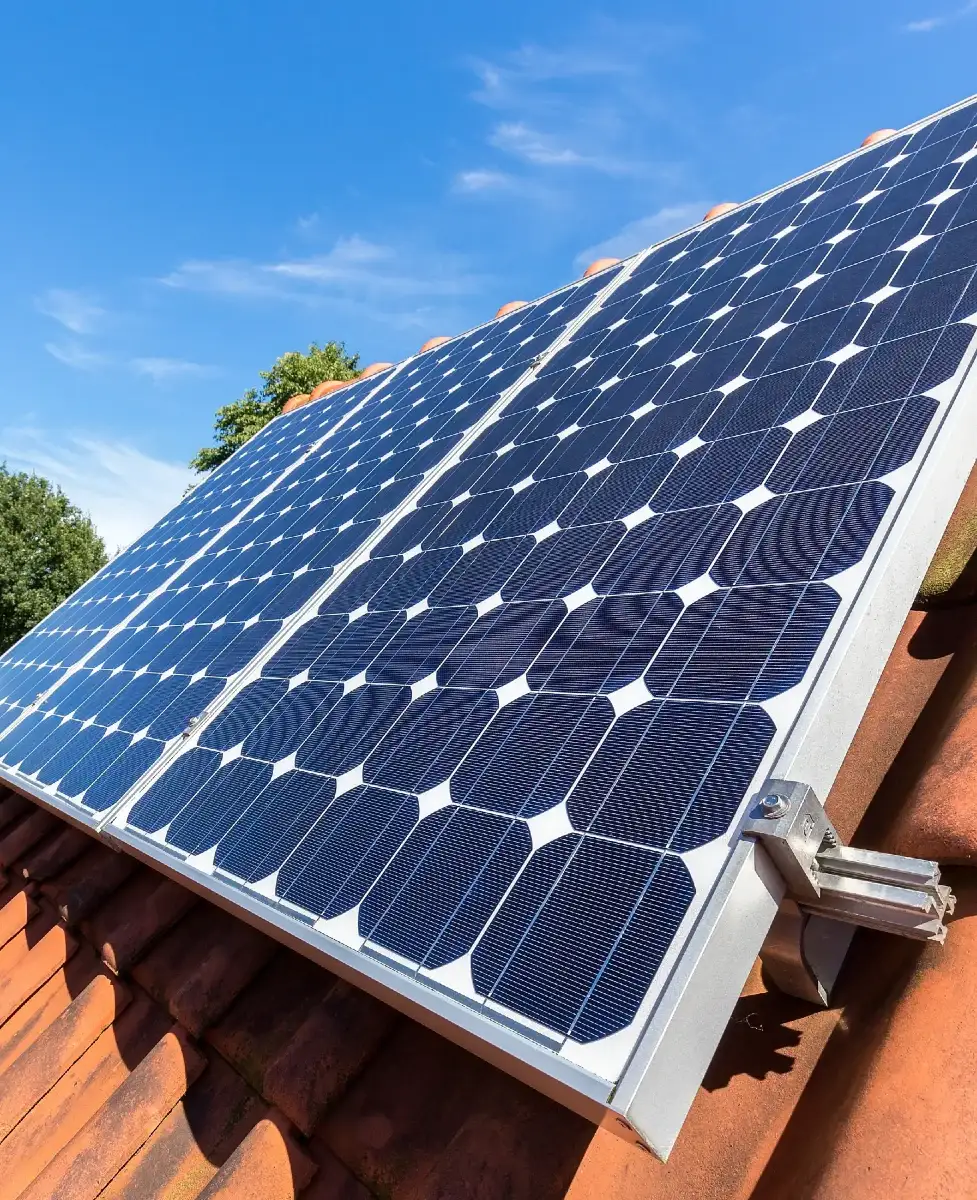
It might make sense to go the whole green hog and install an air source heat pump as well, making your home even more eco-friendly.
As your ASHP needs electricity to run, this will increase your property’s overall electricity usage. So, you’ll need to consider whether your current home storage battery setup is up to the job.
Consider these questions.
‘How much electricity does my air source heat pump use?’
The efficiency of heat pumps is measured in coefficient of performance (CoP).
This is calculated by measuring the amount of electricity required to run the heat pump and the amount of heat generated by the heat pump.
For example, a heat pump with a CoP of three kW produces three kW of heat for every one kW of electricity used.
The average UK household requires 11,500kWh of heating per year, according to Ofgem. In this case, a three kW CoP heat pump would use around 3,833kWh of electricity per year.
‘Does my home storage battery have enough capacity for an air source heat pump?’
To answer this, you need to factor in:
- How much electricity your property uses
- Your current battery storage capacity
- Whether you generate your own renewables
It may be the case that you need to add capacity to your existing battery storage system.
You should also consider seasonal variations in your electricity usage; cold weather during winter means your ASHP will work less efficiently when you need to heat your home.
‘How can I reduce the electricity usage of my heat pump?’
Here a few things to do, according to Heat Pumps UK:
- Avoid changing the set temperature – set the thermostat at a certain temperature; regularly turning it up and down means the heat pump will use more power
- Check the water heating temperature – if it’s too high, the heat pump will use more electricity than necessary
- Properly maintain your heat pump – pay attention to dirty or blocked filters
Towards an energy independent and energy efficient home
Like battery storage systems, air source heat pumps can cut your home’s energy bills and carbon emissions.
And like battery storage systems, installing ASHPs requires careful consideration.
In short, you can run an air source heat pump on a home battery storage system, assuming you’ve done your homework.
Installing an air source heat pump will inevitably mean an increase in your electricity usage. That being said, your overall energy usage and subsequent energy bills may go down when you account for the getting rid of gas.
If you’re considering a heat pump for your home, make sure to do all necessary research first.
If you’re looking to join the battery storage revolution, start by looking for a GivEnergy approved installer near you.