What you will read in this article:
- How standardisation of heating is driving eco-friendly new build houses
- Why more needs to be done to standardise clean electricity in new builds
- How a comprehensive approach to clean energy can further the development of eco-friendly new builds
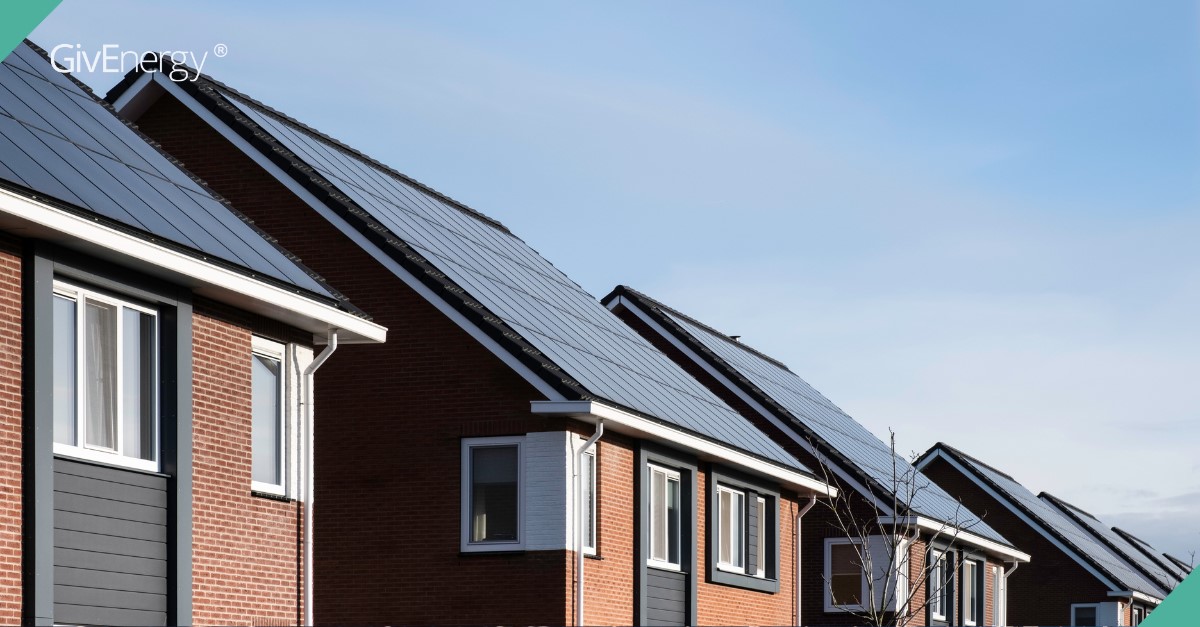
Making residential buildings more environmentally sustainable is a key part of the UK’s legally binding net zero carbon emissions targets. And an obvious opportunity here is in powering eco-friendly new build houses with clean energy.
On the one hand, significant progress has already been made regarding decarbonising domestic heating. This progressive action is reflected in the Future Homes Standard (FHS) set to be introduced in 2025.
However, more could be done to decarbonise new builds’ electricity supply.
Here, Dave Roberts, UK MD at GivEnergy, offers his thoughts on the path to new build sustainability.
The ongoing success of sustainable heating in eco-friendly new build houses
According to the Department for Energy Security & Net Zero, greenhouse gas emissions from residential buildings are already at an all-time low. In fact, emissions from residential buildings fell by 16% between 2021 and 2022 to below 60 metric tonnes of carbon dioxide.

And this trend is only set to continue with the rise of heat pumps. Heat pump installations saw a 25% year-on-year increase from 2022-2023, bringing the total in the UK to circa 200,000.
In part, this rise in green tech implementation has been through grants offered under the Boiler Upgrade Scheme. Plus, the FHS — which requires all new builds from 2025 onwards to install sustainable heating alternatives to gas boilers — is playing a key role.
Property developers are already adapting accordingly. For example, Redrow announced in January 2023 that all new builds would be heated using air source heat pumps as standard.
And when it comes to sustainable heating, the FHS further stipulates measures related to reducing heat waste. Such measures include rules on building fabrics, insulation levels, and triple glazing standards.
In short, then, sustainable heating in new builds appears to be on track.
Standardising sustainable electricity in new builds
In contrast to heating, measures related to sustainable electricity somewhat fall short.
A report co-authored by Centre for Net Zero suggests the UK’s annual consumer electricity demand will increase by around 50% by 2035. That’s due largely to the rise of heat pumps and electric vehicles (EVs).
To achieve net zero targets, that increased demand will need to be met with electricity from sustainable energy.
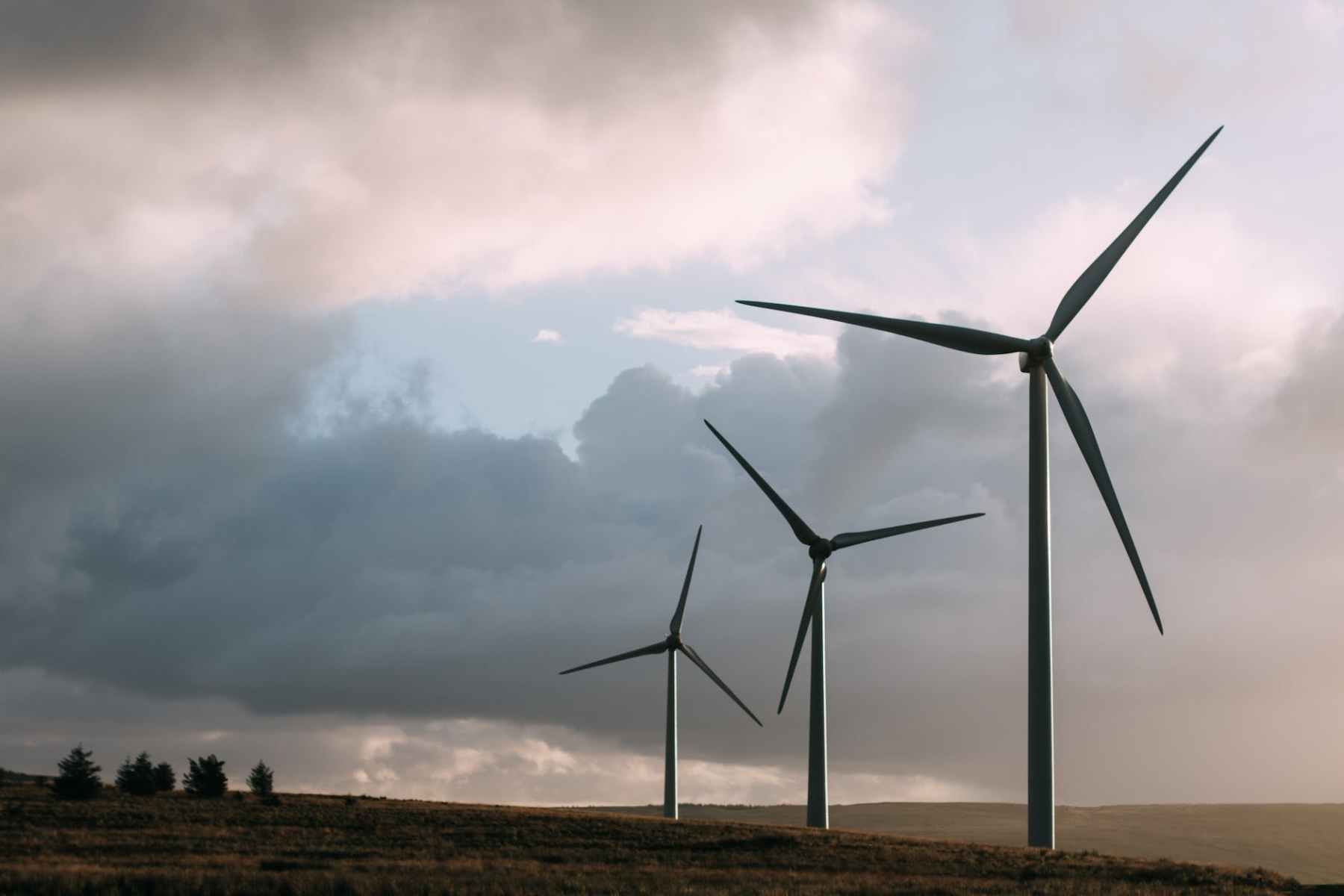
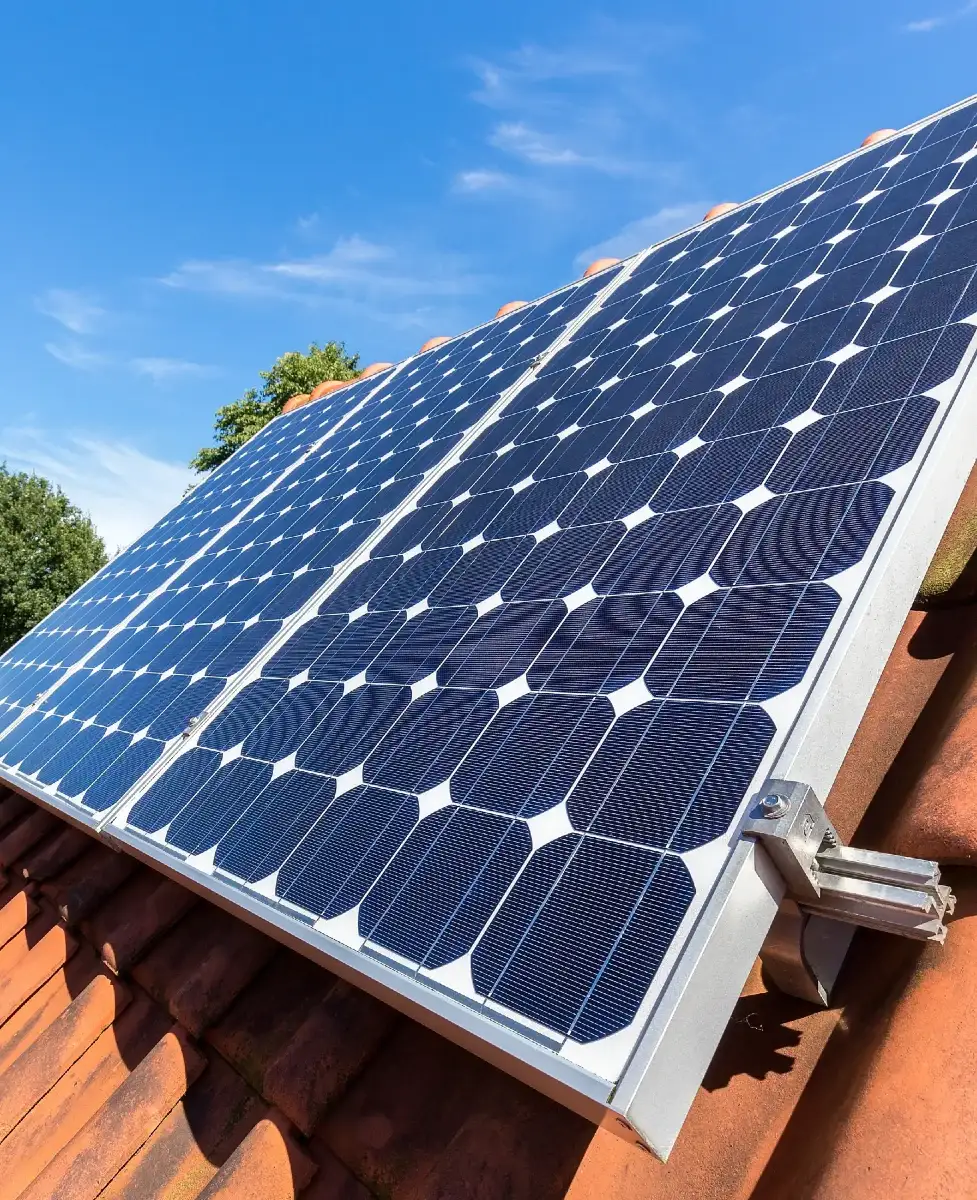
The UK has begun making progress on this front. Though there remains far to go, energy generated from renewables went from 26TWh to 135TWh per year from 2010-2022.
The report also mentions the role of ‘consumer flexibility’ in helping the UK meet rising electricity demand. In short, energy consumers can play their part in ensuring the electrification of heating and transport does not cause strain on the grid.
To this end, we believe the following must be made standard in new builds.
1. Renewable technology
Renewables enable homes to generate their own electricity, thereby reducing strain on the grid.
Solar panels tend to be the most scalable and affordable option. The latest figures suggest that around 1.3 million homes in the UK have solar.
A wind turbine is also an option for some homeowners, though this presents challenges in terms of cost, maintenance, and planning permission.
2. Battery storage
Renewables, such as wind and solar, have hour-to-hour variability. To offset this, energy generated needs to be stored and discharged during times of high demand.
The UK battery strategy mentions the role of grid-scale battery storage, helping to shift energy demand on a macro-level.
However, there is little mention of the role domestic battery storage can play.
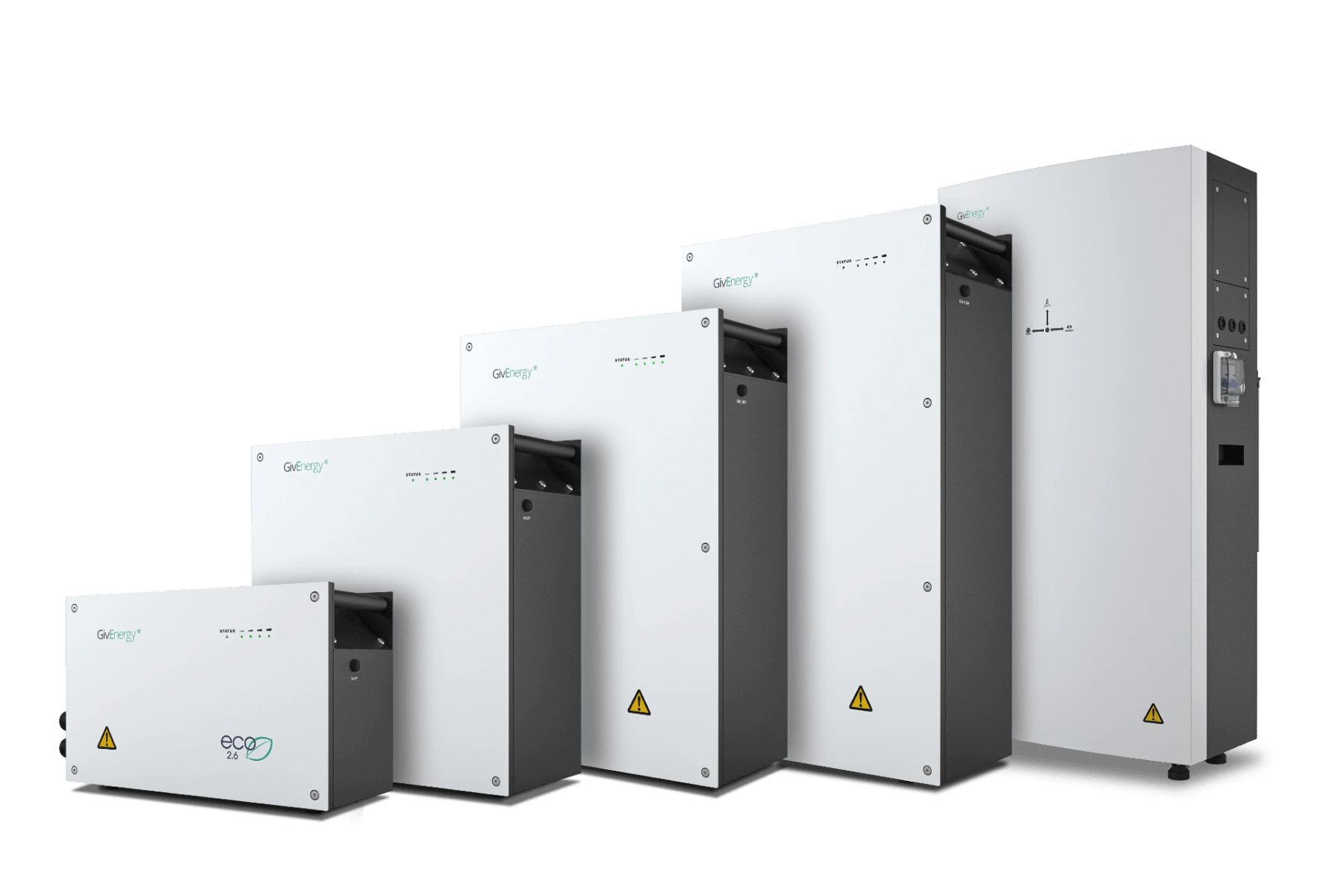
A study by University College London published in the journal, Applied Energy suggests that by using solar and storage, households can reduce electricity imported from the grid by around 84%.
Meanwhile, another study by Kleinman Center for Energy Policy looks at homes in Germany with solar and battery storage. It suggests that during peak electricity usage in the evening, energy drawn from the grid is reduced from 0.6kW to 0.2kW per household.
Even without renewable technology, standalone home storage batteries can also reduce strain on the grid. Consumers on smart tariffs can charge during cheaper off-peak hours, and discharge during times of high demand.
3. 3-phase electricity
Single-phase electricity is the standard for most UK homes.
However, given the increase in household electricity demand, there are growing calls for 3-phase electricity.
The Association for Renewable Energy & Clean Technology notes that:
‘… fitting new homes with a 3-phase electricity supply should become standard practice for network operators and the construction industry.’
It notes that this is necessary to facilitate:
- Home EV charging
- Solar deployment
- Renewable heat installation, e.g. heat pumps
Where the FHS falls short
At the time of writing, solar installations, battery storage, and 3-phase electricity are disappointingly not mandated by the FHS.
Polling evidence from the MCS Foundation suggests that most MPs support mandatory solar installations and battery storage installations in new builds.
(The former with support from 79% of MPs, and the latter with support from 61% of MPs.)
A consultation on the FHS ended on March 27, 2024, the outcome of which is yet to be released. Despite this, the UK government has recently taken some positive actions to facilitate sustainable electricity in homes.
One of the most prominent examples: the introduction of 0% VAT on battery storage installations.
Sustainable new builds in action
The path to new build sustainability has many challenges ahead.
However, there are existing examples of new builds which integrate sustainable heating with sustainable electricity. These could serve as a model for the future of new build sustainability.
In 2023, Octopus Energy launched its Zero Bills energy tariff. As the name suggests, households signed up to the tariff will pay £0 on their energy bills for at least five years.
To begin with, Octopus is targeting the UK’s new build homes by partnering with property developers. For example, in December 2023, the energy supplier partnered with Bellway Homes on the Victoria Gate development in Stafford.
All homes are equipped with the following as standard:
- Air source heat pump
- Home storage battery (from GivEnergy)
- Roof-mounted solar panels
In short, Zero Bills homes take a comprehensive approach to sustainability. This includes integrating sustainable heating with sustainable electricity.
It is this comprehensive and multifaceted approach which will be a key driving force behind new build sustainability.
Further reading
- Eco-friendly new builds: the call for cross-industry collaboration
- 61% of MPs now back mandatory battery installations in new builds
- Why EVERY solar power installation should have battery storage
- The role of battery storage in the UK’s net zero mission
- ‘Sustainable homes NEED battery storage,’ says GivEnergy CEO Jason Howlett
We originally published this article here: The path to new build sustainability