What you will read in this article:
- What an energy independent home is
- 3 ways to make your home energy independent
There was a time when an energy independent home was merely a pipe dream for many of us. ‘Going off-grid’ might have conjured up images of tree-hugging hippies living in the depths of the wilderness.
Oh, how times have changed.
Energy independence is now becoming a reality for more and more people. In fact, if done correctly, it’s highly recommended as it can reduce your energy bills and your carbon footprint.
So, what does it mean to be energy independent? What roles do renewables, battery storage and energy monitoring play?
Read on to find the answers to these questions and more.
What is an energy independent home? (Not as scary as it sounds)
More and more people are waking up to the benefits of being energy independent.
According to the Microgeneration Certification Scheme (MCS) – a UK organisation working to create and maintain standards for low-carbon technologies – installations of green technologies hit an all-time high in 2023, skyrocketing to 220,500 in the UK alone.
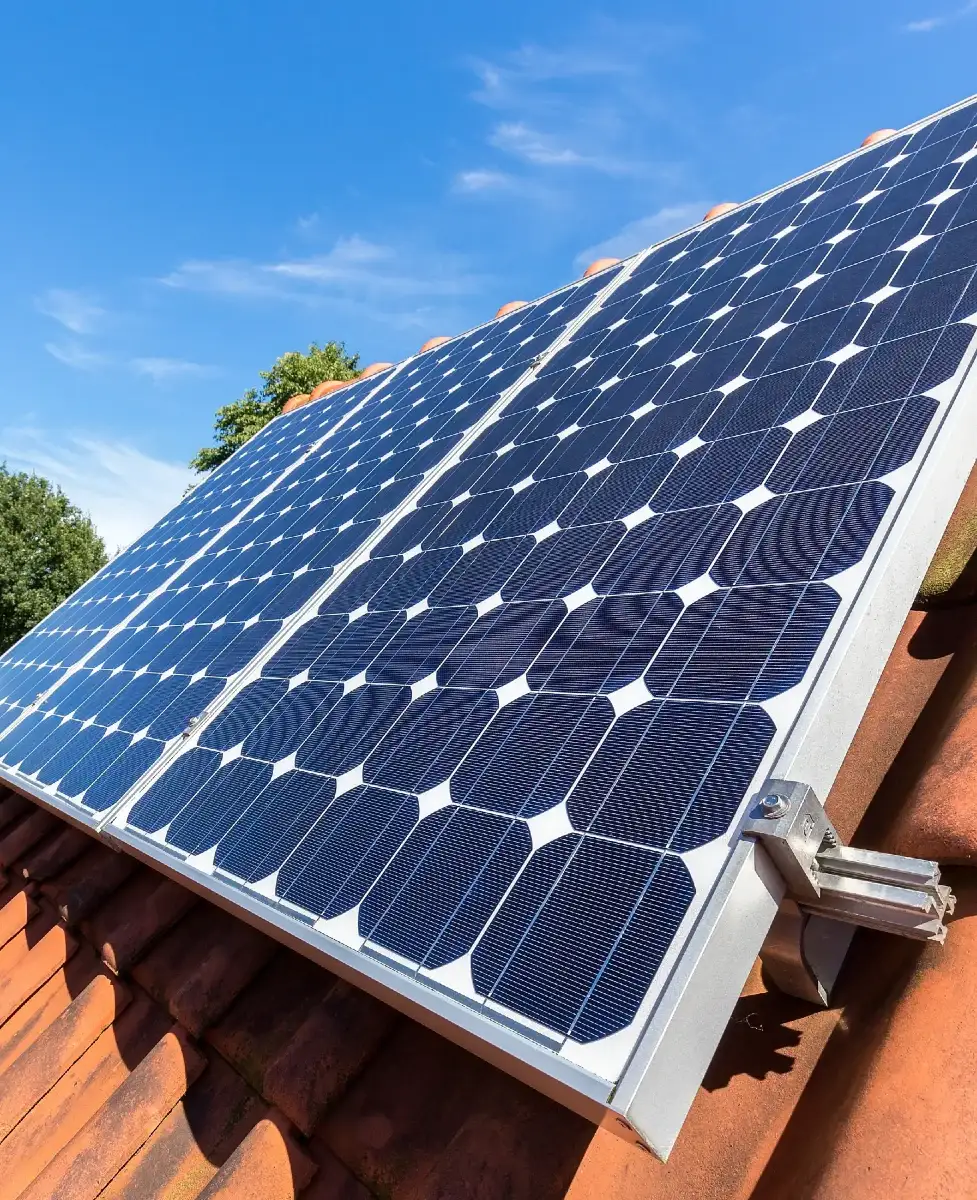

That includes solar panels, storage batteries, heat pumps and more.
So, what does energy independent mean in practice?
Let’s think about it in layman’s terms.
For most of us, our energy needs are dependent on the grid. When we need to use electrical appliances in our home or turn on the central heating, we pay money to draw energy from the electricity and gas grids, respectively.
Being energy independent means you rely on other sources of energy outside of the grid. Perhaps, you have solar panels and a wind turbine to generate electricity, or a heat pump to heat your home.
For a small number of people, a 100% energy independent home is a possibility. According to some estimates, there are 150,000 off-grid homes in the UK.
However, in most cases, being energy independent is more likely a matter of degree rather than kind; you might be a little energy independent, quite independent, very independent, etc.
You might generate and use energy from solar during some hours and draw from the grid during others.
Ringing up your electricity or gas supplier and telling them you want to be cut off is just not realistic for most of us.
If this all sounds a bit confusing, don’t worry. We’ll explain later in more detail.
3 ways to make your home energy independent
1. Renewables
Generating your own renewable energy is a key step towards an energy independent home.
Let’s start with solar.
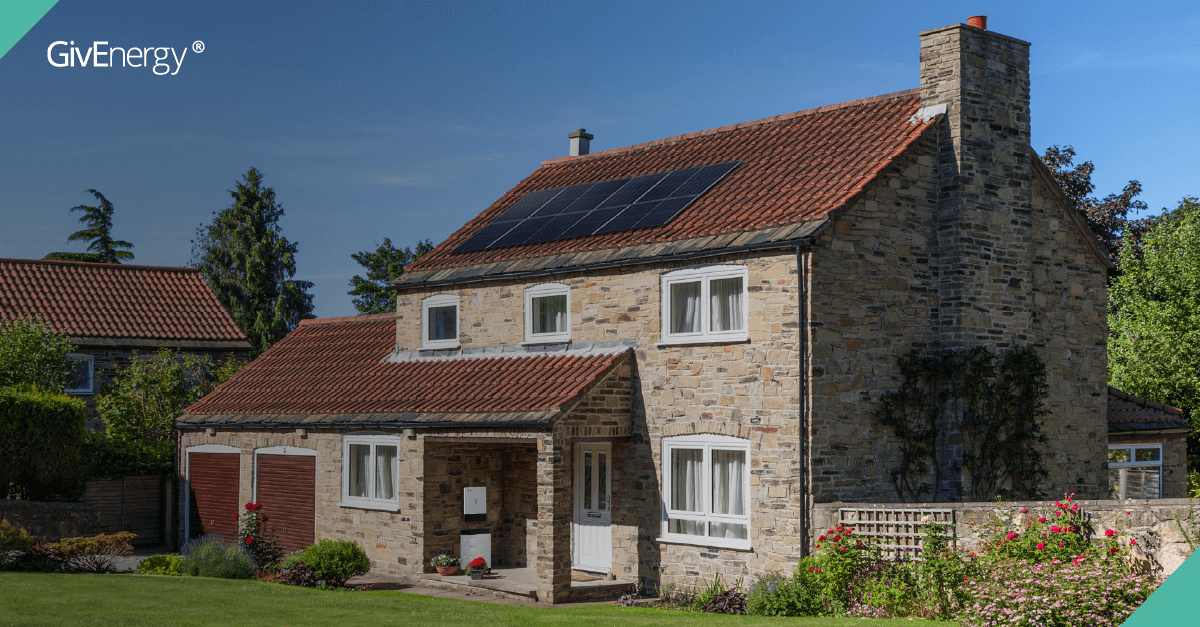
Solar panels have grown in popularity thanks to their practicality and scalability. Just fit appropriately sized panels to the roof of your property and you’ll be generating energy whenever the sun shines.
In the UK in 2024, buying and installing solar panels costs about £7,860 for a 3-bedroom property, although costs can vary depending on a number of factors.
For this amount of money, you’ll save about £537 on your energy bills a year.

Wind is another option.
Wind turbines for home can cost anywhere between £2,000-58,000, depending on what model you go for.
A roof-mounted wind turbine can come with a low price-tag, but the amount of energy you generate will be minimal.
Meanwhile, a larger pole-mounted wind turbine could generate a lot of energy, but this will be reflected in the higher price.
As well as costs, there are other reasons why wind turbines are not as popular as solar panels for homeowners.
Unless you live in an area with average wind speeds of 5 metres per second, a wind turbine is just not worth it.
Meanwhile, you’ll have to check if your installation requires planning permission. The rules vary depending on where you live in the UK.

All in all, choosing the right kind of renewable technology depends on a number of factors. Be sure to do your research before making any decisions.
2. Battery storage
While renewables are a key part of the energy independent puzzle, they’re not much good without battery storage.
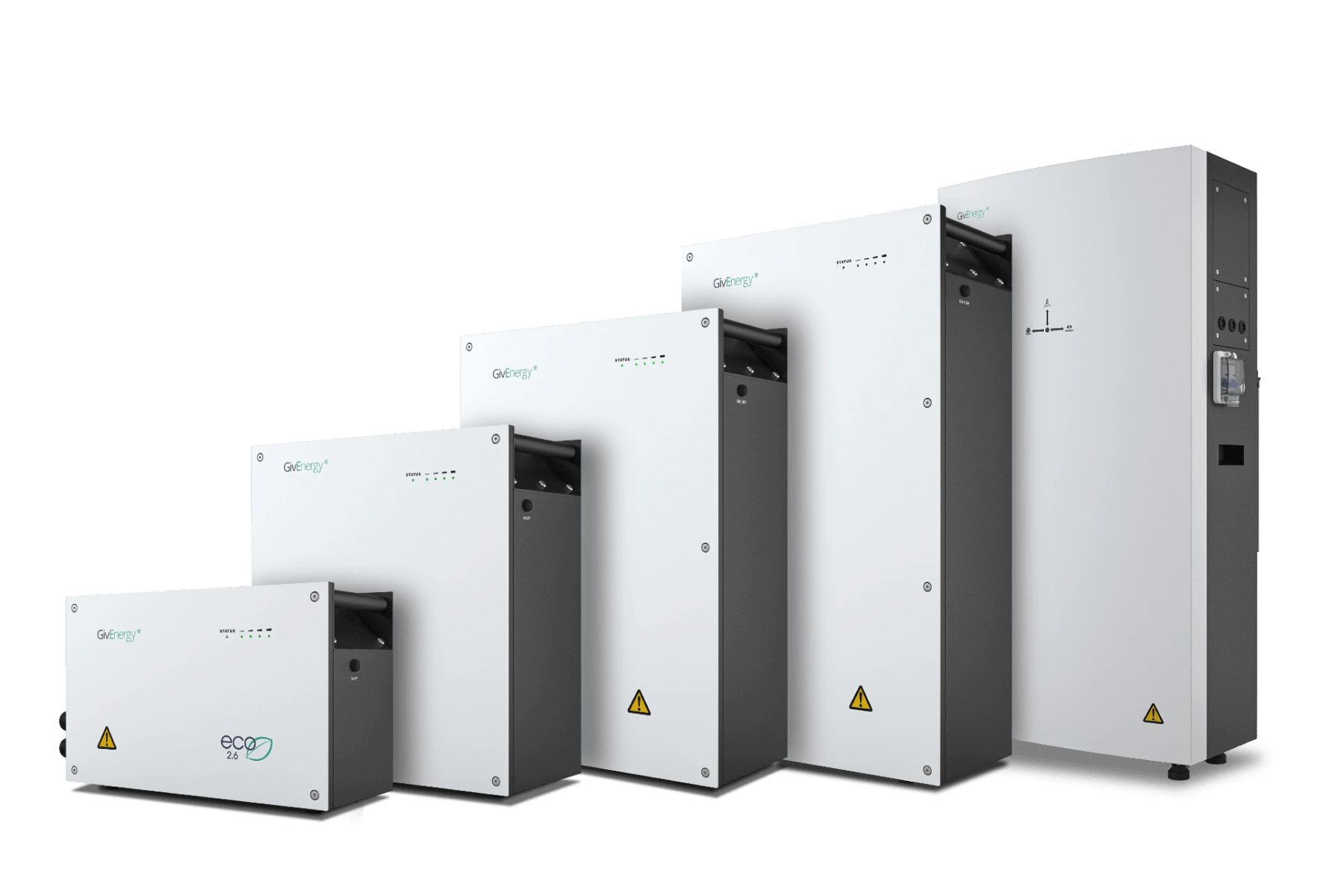
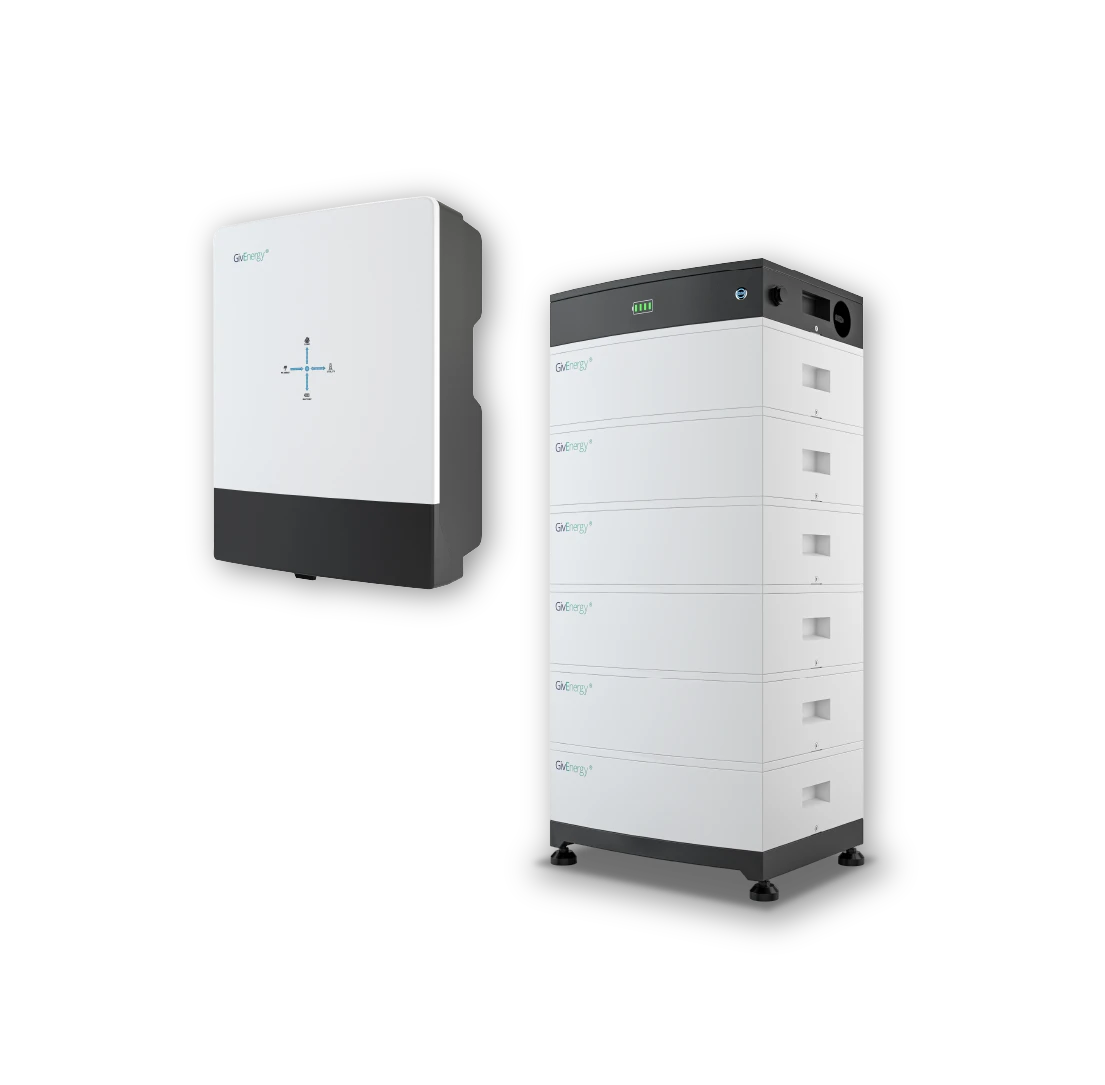

That’s because solar and wind tend to have hour-to-hour variability.
Think of it like this.
You’re working in the office on a sunny day. At home, your solar panels are generating energy. However, as you don’t get home until after dark, you’re unable to make use of the energy you generate… unless you have somewhere to store it.
Battery storage allows you to store renewable energy generated for later use.
In short, you can’t turn the sun and wind on and off as you please.
‘I can’t install renewable technology in my home. Is battery storage right for me?’
Renewable technologies can be costly and impractical. We recognise that installing solar panels or a wind turbine is not within everyone’s means.
Nonetheless, a storage battery is still worth considering, especially if you’re on a smart tariff.
During cheaper off-peak hours, you can charge your battery from the grid. Then, during more expensive peak hours, you can discharge the energy stored and save on your bills.
Okay, so this won’t give you complete energy independence. But it could make you independent of the grid when prices are higher.

Ultimately, there is no one-size-fits-all battery storage solution. Be sure to check which battery is right for you before making any decisions.
As well as a battery, you’ll also need an inverter to convert electricity stored from direct current (DC) to alternating current (AC). Whether you choose AC-coupled, hybrid or any other model depends on your specific circumstances.
3. Energy monitoring
Monitoring and controlling your energy usage has never been easier.
Ensuring you’re not wasting energy is crucial to being energy independent – the less you waste, the less you draw from the grid.
Ways to monitor your energy usage include:
- Smart plugs to track energy usage of individual devices
- Smart meters to track your overall energy usage

Many smart energy monitoring systems are app-controlled. So, as long as you have a smart phone, you’re energy usage is literally in the palm of your hand.
Other systems may also include more comprehensive software in the form of a portal.
Either way, ensuring you don’t use more energy than you need is easy.
YOU can join the energy independence revolution
What might have once been unthinkable is now a reality for many.
We’re not suggesting you ring up your electricity and gas suppliers today to tell them you want to go off-grid. For most of us, complete energy independence just won’t happen.
However, there are plenty of things you can do to make your home at least a little bit energy independent: a battery storage system to save on your bills, solar panels on your roof, a wind turbine on your property, etc.
Ready to join the energy independence revolution? Find an approved GivEnergy installer today.
Further reading
- Battery storage – the heart of the low-carbon home
- 10 benefits of battery storage: save 85% on energy bills and more
- The missing part of the Future Homes Standard: energy storage
- Home wind turbine vs solar panels: which do I need?
- Do solar panels need batteries?
- Should you buy a wind turbine for home? Consider these 3 things